Burpee's Stringless Green Pod
Phaseolus vulgaris 'Burpee's Stringless Green Pod'
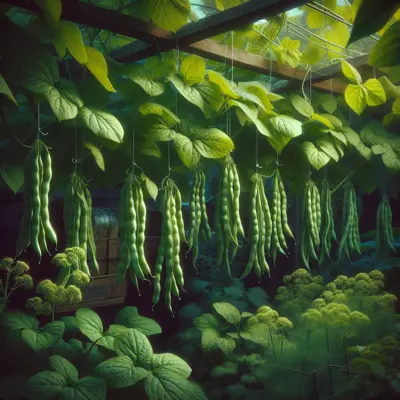
A beloved heirloom introduced in 1894 that revolutionized bean growing by being one of the first truly stringless varieties available to home gardeners. These productive plants produce tender, meaty pods with exceptional flavor that remains consistent throughout the harvest season. A perfect choice for gardeners seeking reliable, old-fashioned quality with the convenience of modern stringless technology.
Harvest
50-55d
Days to harvest
Sun
Full sun
Zones
2–11
USDA hardiness
Difficulty
Easy
Planting Timeline
Showing dates for Burpee's Stringless Green Pod in USDA Zone 7
All Zone 7 bean →Zone Map
Click a state to update dates
Burpee's Stringless Green Pod · Zones 2–11
Growing Details
Succession Planting
Direct sow Burpee's Stringless every 14 days from your last frost date through early June in zone 7 — that's roughly April 1 through June 10. Each sowing gives you a 50 to 55 day window to harvest, so staggering by two weeks keeps fresh beans coming rather than one enormous flush you can't get through. The UGA Vegetable Garden Calendar specifically calls out third plantings of snap beans in May, so don't assume you've missed the window if you're just getting started mid-spring.
Stop sowing by mid-June in zone 7. Beans drop flowers and set pods poorly once daytime highs consistently hit 90°F, and germination gets spotty above that threshold too. For a fall run, count back 70 days from your first expected frost — usually late July to early August in zone 7 — and sow again then. That window is shorter but produces clean pods without the summer pest pressure that builds through July.
Complete Growing Guide
Burpee's Stringless Green Pod thrives best when direct sown into the garden after all danger of frost has passed and soil temperatures reach at least 60°F, ideally between 70-80°F. Unlike many varieties that tolerate cooler soil, this heirloom performs best with warm conditions, so waiting until a week or two after your last spring frost date ensures stronger germination and faster growth. Plant seeds one inch deep, spacing them two to three inches apart in rows that are eighteen inches apart. Once seedlings emerge and develop their first true leaves, thin them to four to six inches apart to allow adequate air circulation and room for the plants to spread. This variety responds exceptionally well to soil enriched with compost or aged manure worked in before planting, though avoid excessive nitrogen, which encourages leafy growth at the expense of pod production.
Water consistently throughout the season, providing one to one and a half inches per week through rainfall or irrigation. Deep watering less frequently encourages stronger root development than shallow daily sprinkles. Feed monthly with a balanced fertilizer once flowering begins, as these productive plants benefit from sustained nutrition during their heavy fruiting phase.
Burpee's Stringless Green Pod's mild flavor and tender texture make it particularly susceptible to damage from Mexican bean beetles, which can rapidly defoliate plants and reduce yields significantly. Scout plants regularly, especially the undersides of leaves where beetle clusters lay eggs, and remove them by hand or treat with spinosad if populations explode. Aphids and cucumber beetles also target this variety, potentially introducing viruses that stunt growth and mottle leaves. Spider mites thrive in hot, dry conditions, so maintaining consistent soil moisture helps deter infestations. For disease prevention, avoid overhead watering, which promotes bacterial blight, and provide adequate spacing for air circulation to prevent rust and anthracnose from establishing.
The most common mistake gardeners make with Burpee's Stringless Green Pod is harvesting pods too late in the season. These beans maintain their tender, stringless character best when picked at five to six inches long, before the pods begin to swell with mature seeds. Harvesting regularly encourages continued flowering and extends productivity through the season. For succession harvests, direct sow new seeds every two to three weeks until mid-summer, allowing staggered maturity that provides fresh pods from early summer through early fall. While this variety doesn't require trellising, many gardeners find that growing them on low stakes or cages improves air circulation, simplifies harvesting, and maximizes garden space efficiently.
Harvesting
Harvest Burpee's Stringless Green Pod when pods reach four to six inches long with a bright, vivid green color and feel tender and slightly flexible when gently bent. The pods are at peak quality before they become overly mature and develop a dull appearance. Pick continuously every two to three days once pods begin sizing, as regular harvesting encourages more abundant flowering and extends your productive season well beyond the initial 50-55 day timeframe. For best flavor and texture, harvest in early morning after dew dries but before afternoon heat peaks, as pods will be crisper and more succulent at this time.
The boat-shaped seed pods are bilaterally symmetrical and can be green, yellow, white, or purple at maturity. There is a wide variety of color and shape choices among cultivars.
Color: Gold/Yellow, Green, Purple/Lavender, White. Type: Legume. Length: > 3 inches. Width: < 1 inch.
Garden value: Edible, Good Dried
Harvest time: Fall, Summer
Storage & Preservation
Fresh Burpee's Stringless Green Pod beans store best in the refrigerator crisper drawer for up to one week. Don't wash them until ready to use, as excess moisture promotes decay. For longer storage, these beans excel at freezing – blanch whole pods in boiling water for 3 minutes, then immediately plunge into ice water. Drain thoroughly and freeze in portion-sized bags for up to 8 months.
This variety is excellent for water-bath canning using tested recipes from the USDA guidelines. The meaty texture holds up well to the canning process, making them perfect for three-bean salads and side dishes. For pressure canning, process pint jars for 20 minutes at 11 pounds of pressure (adjust for altitude).
Let some pods mature fully on the plant if you want to save seeds for next year's crop. The pods will turn yellow-brown and rattle when shaken. Shell out the dried beans and store in airtight containers in a cool, dark place.
History & Origin
Introduced by W. Atlee Burpee in 1894, this variety emerged during a pivotal moment in American vegetable breeding when stringless beans were gaining commercial importance. While detailed records of the specific breeding lineage and parent varieties used to develop this cultivar are limited, Burpee's introduction came shortly after the release of other early stringless types, suggesting selective breeding from common bean germplasm circulating among American seed companies in the late nineteenth century. The variety's rapid adoption and enduring popularity reflect both its horticultural merit and Burpee's reputation as an innovative seed merchant who successfully marketed improved varieties to home gardeners during the Victorian era.
Origin: Tropical America
Advantages
- +Truly stringless pods eliminate tedious preparation work during harvest.
- +Rich, meaty flavor and tender texture surpass many modern varieties.
- +Reliable 50-55 day maturity fits most growing seasons well.
- +Historic 1894 heirloom combines proven quality with modern convenience.
- +Easy growing difficulty makes this ideal for beginner gardeners.
Considerations
- -Vulnerable to multiple diseases including bean mosaic virus and anthracnose.
- -Susceptible to Mexican bean beetles and spider mites requiring monitoring.
- -Bacterial blight can devastate plantings in humid or wet conditions.
Companion Plants
Marigolds along the row edges work through scent interference — the volatile terpenes they emit confuse aphids and Mexican bean beetles, both of which NC State Extension flags as top bean pests. Nasturtiums are worth planting nearby too: they draw aphids off the beans by acting as a trap crop, and their low sprawling habit covers bare soil between plants. Corn makes a practical neighbor because beans can use the stalks as a rough trellis structure, and the two crops don't fight hard for the same root zone — corn roots run deep while beans stay shallower.
Alliums are the ones to skip. Onions and garlic release sulfur compounds that inhibit Rhizobium bacteria on bean roots — the nitrogen-fixing bacteria that make beans genuinely useful as a rotation crop in the first place. Planting onions next to beans works directly against the soil benefit you planted beans to get. Fennel belongs in its own isolated corner regardless of what's nearby; its root exudates suppress germination and early growth of most vegetables, and beans are no exception.
Plant Together
Marigold
Repels Mexican bean beetles and aphids while attracting beneficial insects
Nasturtium
Acts as trap crop for aphids and cucumber beetles, deters bean beetles
Carrot
Loosens soil for bean roots and doesn't compete for nutrients
Cucumber
Beans fix nitrogen that cucumbers can utilize, compatible root systems
Corn
Provides natural trellis support, beans fix nitrogen for corn
Summer Squash
Large leaves provide ground shade and moisture retention for bean roots
Rosemary
Repels Mexican bean beetles and carrot rust flies
Lettuce
Benefits from nitrogen fixed by beans, harvested before beans need full space
Keep Apart
Onion
Can inhibit bean growth and nitrogen fixation through root compounds
Fennel
Produces allelopathic compounds that stunt bean growth and development
Sunflower
Competes heavily for nutrients and water, may release growth-inhibiting chemicals
Nutrition Facts
Per 100g serving. % Daily Value based on 2,000 calorie diet. Source: USDA FoodData Central (FDC #2346400)
Pests & Disease Resistance
Resistance
Good general disease tolerance typical of adapted heirlooms
Common Pests
Mexican bean beetle, aphids, cucumber beetles, spider mites
Diseases
Bacterial blight, bean mosaic virus, anthracnose, rust
Troubleshooting Burpee's Stringless Green Pod
What you'll see, why it happens, and what to do about it.
Leaves with ragged chunks missing, skeletonized patches, or irregular holes — noticed around week 5 to 7
Likely Causes
- Mexican bean beetle (Epilachna varivestis) — adults and larvae feed on leaf undersides, leaving the papery upper surface intact before it tears away
- Bean leaf beetle or cucumber beetle feeding, which tends to leave cleaner round holes
What to Do
- 1.Flip leaves and look for yellow egg clusters or soft yellow larvae on the undersides — hand-pick and drop in soapy water
- 2.Spray kaolin clay or spinosad if populations are heavy; reapply after rain
- 3.The UGA Pest Management Handbook lists timing windows for beetle control — follow that schedule rather than spraying on a fixed calendar
Water-soaked or greasy-looking spots on leaves and pods that turn brown and papery, sometimes with a yellow halo
Likely Causes
- Bacterial blight (Pseudomonas syringae pv. phaseolicola or Xanthomonas axonopodis pv. phaseoli) — spreads fast in wet, humid weather
- Planting in the same bed where beans grew the previous season — NC State Extension's IPM case study specifically flags multi-year same-spot planting as a risk factor
What to Do
- 1.Remove and bag affected plant material — don't compost it
- 2.Stop overhead watering; switch to a soaker hose delivering 1 inch per week at soil level
- 3.Rotate beans out of that bed for at least 2 seasons; NC State Extension's organic gardening notes confirm rotation breaks bacterial and fungal cycles
Small orange or rust-colored pustules on the undersides of leaves, with corresponding yellow spots on top — usually showing up mid-season
Likely Causes
- Bean rust (Uromyces appendiculatus) — a fungal disease that spreads via wind-blown spores and accelerates in humid conditions above 60°F
- Dense planting at less than 4 inches apart that traps moisture and cuts airflow
What to Do
- 1.Strip affected leaves immediately and discard in the trash, not the compost pile
- 2.Apply a sulfur-based fungicide at first sign of pustules; repeat every 7 to 10 days if weather stays humid
- 3.Next planting, space at the full 4 to 6 inches and mulch with 2 inches of straw to reduce leaf-level humidity and splash spread
Frequently Asked Questions
How long does Burpee's Stringless Green Pod take to grow?▼
Can you grow Burpee's Stringless Green Pod in containers?▼
Is Burpee's Stringless Green Pod good for beginners?▼
What does Burpee's Stringless Green Pod taste like?▼
When should I plant Burpee's Stringless Green Pod beans?▼
Can I save seeds from Burpee's Stringless Green Pod beans?▼
Zone-by-Zone Planting Calendar
| Zone | Indoor Start | Transplant | Direct Sow | Harvest |
|---|---|---|---|---|
| Zone 1 | — | — | July – August | September – August |
| Zone 2 | — | — | June – August | September – September |
| Zone 11 | — | — | January – March | April – May |
| Zone 12 | — | — | January – March | April – May |
| Zone 13 | — | — | January – March | April – May |
| Zone 3 | — | — | June – July | August – October |
| Zone 4 | — | — | June – July | August – October |
| Zone 5 | — | — | May – June | August – September |
| Zone 6 | — | — | May – June | July – September |
| Zone 7 | — | — | April – June | July – August |
| Zone 8 | — | — | April – May | June – August |
| Zone 9 | — | — | March – April | May – July |
| Zone 10 | — | — | February – April | May – June |
Growing Guides from Wind River Greens
Sources & References
External authority sources used in compiling this guide.
See the Methodology page for how this data is sourced, what's AI-assisted, and known limitations.