Blue Lake Bush 274
Phaseolus vulgaris 'Blue Lake Bush 274'
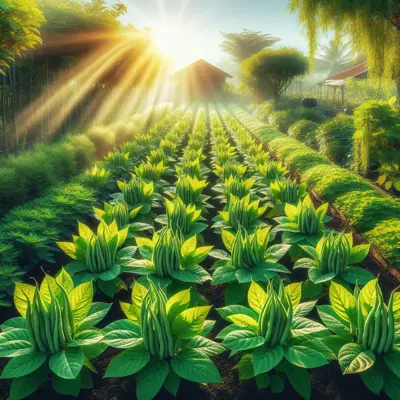
The gold standard for green beans, developed from the famous Blue Lake pole variety but bred for compact bush growth. These tender, stringless pods have the classic fresh bean flavor and crisp texture that made Blue Lake beans the choice of commercial processors and home gardeners alike. Perfect for beginners who want restaurant-quality green beans without the hassle of trellising.
Harvest
50-55d
Days to harvest
Sun
Full sun
Zones
2–11
USDA hardiness
Difficulty
Easy
Planting Timeline
Showing dates for Blue Lake Bush 274 in USDA Zone 7
All Zone 7 bean →Zone Map
Click a state to update dates
Blue Lake Bush 274 · Zones 2–11
Growing Details
Succession Planting
Blue Lake Bush 274 matures in 50–55 days and produces in a concentrated flush rather than trickling out over months, so succession planting makes a real difference. Direct sow every 2–3 weeks after your last frost date through early June. That cadence will give you overlapping harvests from July into August instead of one glut you can't keep up with.
Stop sowing once daytime highs are consistently at 90°F or above — bean flowers drop at high heat, and seeds going in the ground during a hot stretch will often just stall. For a fall run, count back 55 days from your first expected frost and put in a final sowing then. In zone 7, where first frost typically falls around October 15, that means a mid-to-late August direct sow.
Complete Growing Guide
Blue Lake Bush 274 thrives best when direct sown into warm soil, so wait until all danger of frost has passed and soil temperatures reach at least 60°F—ideally 70°F or warmer. Unlike pole varieties that benefit from an early start indoors, this bush bean germinates reliably when direct seeded. Plant seeds about one inch deep and one and a half inches apart in rows spaced twelve to eighteen inches apart. If you prefer wider spacing for easier harvesting, thin seedlings to three inches apart once they've sprouted. Blue Lake Bush 274 is not fussy about soil but performs best in well-draining, moderately fertile ground. Work in compost or aged manure before planting to improve soil structure, though excessive nitrogen will push leafy growth at the expense of bean production.
Water consistently throughout the growing season, providing about one inch per week through rainfall or irrigation. This variety is particularly susceptible to bacterial blight during wet conditions, so water at the soil level early in the morning rather than overhead, which keeps foliage dry and reduces disease risk. Avoid working among wet plants, as this spreads bacterial spores between plants.
Feed lightly once the first flowers appear, using a balanced fertilizer diluted to half strength. Beans fix their own nitrogen through root nodules, so avoid high-nitrogen fertilizers. Continue feeding every three to four weeks through the season.
The most common pitfall with Blue Lake Bush 274 is overwatering or overhead watering that invites fungal diseases. White mold particularly thrives in humid conditions with poor air circulation, so space plants properly and ensure adequate ventilation. Inspect regularly for bean beetles—these striped pests appear early and lay eggs on leaf undersides. Hand-pick beetles and crush egg clusters immediately, as they can devastate young plants rapidly. Aphids and thrips may also appear during hot spells; monitor closely and spray with insecticidal soap if populations build.
Succession planting extends harvests. Sow new seeds every two to three weeks until eight weeks before your first expected frost date, and you'll have continuous production rather than one heavy harvest. Blue Lake Bush 274 produces concentrated harvests over about two weeks once plants mature, but staggered plantings provide beans throughout summer and early fall.
No trellising or staking is needed—this is the defining advantage over its pole-variety parent. Simply let plants grow freely and bush out naturally. Light pruning of lower leaves once plants are established improves air circulation and reduces disease pressure, particularly important for preventing white mold.
Harvesting
Harvest Blue Lake Bush 274 pods when they reach 5–6 inches long and display a bright, uniform green color with a slight snap when bent gently between your fingers; pods should feel firm but not woody, indicating peak tenderness before seeds mature inside. Begin picking when the first pods reach harvestable size, then continue harvesting every 2–3 days rather than waiting for all pods to mature simultaneously, as frequent picking encourages the plant to produce more flowers and extend the productive season. A key timing tip: harvest in early morning after dew dries but before afternoon heat, when pods are most crisp and full of moisture, maximizing both flavor and texture quality.
The boat-shaped seed pods are bilaterally symmetrical and can be green, yellow, white, or purple at maturity. There is a wide variety of color and shape choices among cultivars.
Color: Gold/Yellow, Green, Purple/Lavender, White. Type: Legume. Length: > 3 inches. Width: < 1 inch.
Garden value: Edible, Good Dried
Harvest time: Fall, Summer
Storage & Preservation
Store fresh Blue Lake Bush 274 beans unwashed in perforated plastic bags in the refrigerator crisper drawer, where they'll maintain quality for 5-7 days. For longer storage, blanch whole pods in boiling water for 3 minutes, then plunge into ice water before freezing in sealed containers—properly blanched beans retain color and texture for up to 8 months.
For canning, cut beans into 1-2 inch pieces and pressure can following USDA guidelines (beans require pressure canning, not water bath). These beans also pickle beautifully—try dilly beans with garlic and dill for a tangy preserve. Avoid dehydrating as the texture becomes unpalatable, though fully mature pods can be left on plants to dry for shelling beans.
History & Origin
Blue Lake Bush 274 descended from the original Blue Lake pole bean, a variety that gained prominence in the mid-20th century as a commercial favorite for processors and fresh markets. The bush variant was developed through selective breeding to condense the vigorous vining habit into a compact plant form suitable for gardens and mechanical harvesting. While the exact breeder and introduction year for the "274" designation remain unclear in readily available sources, this cultivar represents a typical product of American seed company breeding programs from the latter half of the twentieth century, when bush bean varieties became increasingly popular for home gardeners seeking convenience without sacrificing the flavor traits that made the Blue Lake line renowned.
Origin: Tropical America
Advantages
- +Compact bush form eliminates need for trellising or staking structures
- +Produces stringless pods with classic Blue Lake flavor in just 50-55 days
- +Ideal for beginners seeking restaurant-quality green beans with minimal effort
- +Tender, crisp texture makes these beans excellent for fresh eating or freezing
Considerations
- -Susceptible to bacterial blight, white mold, and rust diseases in humid conditions
- -Bean beetles and aphids commonly infest plants and require active pest management
- -Bush plants produce lower yields compared to indeterminate pole bean varieties
Companion Plants
Summer savory is probably the most practical companion on this list. It's been used alongside beans for a long time as a deterrent for bean beetles, and it's compact enough that it won't shade out a bush variety that tops out under 2 feet. Marigolds — French marigolds (Tagetes patula) specifically — repel aphids above ground while their root secretions suppress certain soil nematodes below. Nasturtiums work through a different mechanism entirely: they pull aphid colonies onto themselves rather than repelling them. That's a trap-crop dynamic, not a repellent, and it means your nasturtiums may look rough by midsummer. That's the point.
Carrots and radishes are low-drama neighbors. They feed at a shallower depth than beans, don't compete for nitrogen (which Blue Lake Bush fixes on its own through rhizobial bacteria), and radishes can help break up soil crust around seedlings in heavier ground.
Keep onions, garlic, and fennel away from this bed. Alliums are broadly antagonistic to beans — the working theory involves allelopathic root compounds, though the exact chemistry isn't fully nailed down. Fennel is a separate problem: it suppresses germination and stunts growth across a wide range of vegetables, beans included. It doesn't play well with much of anything in a kitchen garden; give it its own isolated spot.
Plant Together
Marigold
Repels Mexican bean beetles and aphids while attracting beneficial insects
Nasturtium
Acts as trap crop for aphids and cucumber beetles, deters bean beetles
Summer Savory
Repels bean beetles and aphids, may improve bean flavor and growth
Catnip
Strong deterrent against Mexican bean beetles and aphids
Carrots
Beans fix nitrogen for carrots, carrots help loosen soil for bean roots
Corn
Provides natural support structure, beans fix nitrogen for corn
Radishes
Quick-growing companion that doesn't compete, helps break up soil
Rosemary
Repels bean beetles and carrot flies, attracts beneficial pollinators
Keep Apart
Onions
May inhibit bean growth through root secretions and competition
Fennel
Allelopathic compounds inhibit growth of beans and most garden plants
Garlic
Can stunt bean growth through allelopathic effects and nutrient competition
Nutrition Facts
Per 100g serving. % Daily Value based on 2,000 calorie diet. Source: USDA FoodData Central (FDC #2346400)
Pests & Disease Resistance
Resistance
Good resistance to bean mosaic virus and bacterial diseases
Common Pests
Bean beetles, aphids, thrips
Diseases
Bacterial blight, white mold, rust
Troubleshooting Blue Lake Bush 274
What you'll see, why it happens, and what to do about it.
Leaves with ragged chunks missing, skeletonized patches, or small round holes appearing around weeks 5–7
Likely Causes
- Mexican bean beetle (Epilachna varivestis) — larvae and adults both feed on leaf tissue, leaving behind a lacy or chewed appearance
- Bean leaf beetle (Cerotoma trifurcata) — chews round holes through leaves, often overlooked until damage is widespread
What to Do
- 1.Hand-pick beetles and egg clusters (yellow, football-shaped eggs on leaf undersides) and drop them in soapy water
- 2.Apply spinosad or pyrethrin if populations are high — spray in the evening to avoid harming pollinators
- 3.Rotate beans out of this bed next season; both beetles overwinter in nearby debris and find the same spot again
Water-soaked spots on leaves that turn brown and papery, sometimes with a yellow halo; pods may show similar lesions
Likely Causes
- Bacterial blight (Pseudomonas syringae pv. phaseolicola or Xanthomonas axonopodis pv. phaseoli) — spreads through rain splash and contaminated tools
- Planting beans in the same bed for multiple consecutive seasons, which lets bacteria persist in old plant debris
What to Do
- 1.Remove and bag affected plant material — don't compost it
- 2.Stay out of the bed when foliage is wet; that's the fastest way to spread bacterial blight plant to plant on your hands and tools
- 3.Start with certified disease-free seed next year and rotate beans to a different bed for at least 2 seasons
White, cottony mold on stems near the soil line, sometimes with hard black pellets embedded in it; plants collapse at the base
Likely Causes
- White mold (Sclerotinia sclerotiorum) — thrives in cool, wet conditions with poor airflow; the black pellets (sclerotia) can persist in soil for 5+ years
- Dense planting under 4-inch spacing that traps humidity around the base of plants
What to Do
- 1.Pull and bag affected plants immediately — sclerotia left in the soil will reinfect future crops
- 2.Thin to at least 4–6 inches between plants to improve airflow at ground level
- 3.Switch to drip or soaker irrigation during bloom; Sclerotinia spores infect through spent flower petals first, and wet conditions accelerate that
Frequently Asked Questions
How long does Blue Lake Bush 274 take to grow?▼
Can you grow Blue Lake Bush 274 in containers?▼
Is Blue Lake Bush 274 good for beginners?▼
What does Blue Lake Bush 274 taste like?▼
When should I plant Blue Lake Bush 274 beans?▼
Blue Lake Bush 274 vs pole beans - what's the difference?▼
Zone-by-Zone Planting Calendar
| Zone | Indoor Start | Transplant | Direct Sow | Harvest |
|---|---|---|---|---|
| Zone 1 | — | — | July – August | September – August |
| Zone 2 | — | — | June – August | September – September |
| Zone 11 | — | — | January – March | April – May |
| Zone 12 | — | — | January – March | April – May |
| Zone 13 | — | — | January – March | April – May |
| Zone 3 | — | — | June – July | August – October |
| Zone 4 | — | — | June – July | August – October |
| Zone 5 | — | — | May – June | August – September |
| Zone 6 | — | — | May – June | July – September |
| Zone 7 | — | — | April – June | July – August |
| Zone 8 | — | — | April – May | June – August |
| Zone 9 | — | — | March – April | May – July |
| Zone 10 | — | — | February – April | May – June |
Growing Guides from Wind River Greens
Sources & References
External authority sources used in compiling this guide.
See the Methodology page for how this data is sourced, what's AI-assisted, and known limitations.