Wonderful Pomegranate
Punica granatum 'Wonderful'
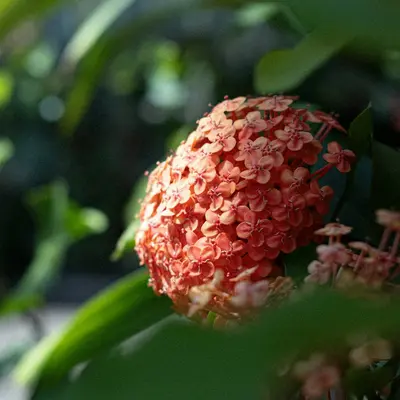
California's most celebrated pomegranate variety, producing large fruits packed with deep red, incredibly sweet-tart arils. This vigorous variety offers stunning orange-red fall foliage and showy orange flowers, making it as ornamental as it is productive. Cold-hardy enough for many temperate regions.
Harvest
180-240d
Days to harvest
Sun
Full sun to partial shade
Zones
8–10
USDA hardiness
Height
10-12 feet
Planting Timeline
Showing dates for Wonderful Pomegranate in USDA Zone 8
All Zone 8 tropical →Zone Map
Click a state to update dates
Wonderful Pomegranate · Zones 8–10
Growing Details
Zone-by-Zone Planting Calendar
Complete Growing Guide
Light: Full sun (6 or more hours of direct sunlight a day), Partial Shade (Direct sunlight only part of the day, 2-6 hours). Soil: Clay, Loam (Silt), Sand. Soil pH: Acid (<6.0), Alkaline (>8.0), Neutral (6.0-8.0). Drainage: Good Drainage, Moist. Height: 10 ft. 0 in. - 12 ft. 0 in.. Spread: 8 ft. 0 in. - 10 ft. 0 in.. Spacing: 6-feet-12 feet. Growth rate: Medium. Regions: Coastal.
Harvesting
This fruit is usually about the size of a large orange 2"-4" in diameter. Once the leathery outer skin is removed, hundreds of red “seeds” are revealed. Although we may call these little fruit “seeds”, they are botanically known as arils. An aril is a fleshy, juicy, brightly colored tissue, which covers the actual seed. 2 to 3.5 in. edible fruit in fall; thick rind, seedy and tart
Color: Red/Burgundy. Type: Aggregate, Berry. Length: 1-3 inches.
Garden value: Edible, Showy
Harvest time: Fall
Bloom time: 'Eight Ball' 'Nana' - Compact/dwarf form grows to 3' tall 'Salavatski', 'Eight Ball', 'Nana' - Compact/dwarf form grows to 3' tall, 'Salavatski'
History & Origin
Origin: NE. Turkey to Afghanistan
Advantages
- +Disease resistance: Deer, Drought
- +Attracts: Hummingbirds
- +Wildlife value: The brilliant flowers are very attractive to hummingbirds.
Companion Plants
Plant Together
Lavender
Repels aphids, moths, and other pests while attracting beneficial pollinators
Rosemary
Deters aphids and spider mites with its strong aromatic oils
Marigold
Repels nematodes and aphids while attracting beneficial insects
Comfrey
Deep taproot brings up nutrients and leaves make excellent mulch
Nasturtium
Acts as trap crop for aphids and adds nitrogen to soil
Chives
Repels aphids and improves soil health with sulfur compounds
Yarrow
Attracts beneficial insects and improves soil mineral content
Mint
Deters ants and rodents that may damage fruit
Keep Apart
Black Walnut
Produces juglone toxin that inhibits growth and can kill pomegranate trees
Eucalyptus
Releases allelopathic compounds that suppress nearby plant growth
Pine Trees
Acidifies soil significantly, which pomegranates cannot tolerate
Nutrition Facts
Per 100g serving. % Daily Value based on 2,000 calorie diet. Source: USDA FoodData Central (FDC #169134)
Pests & Disease Resistance
Resistance
Good overall disease resistance
Common Pests
Aphids, pomegranate butterfly, scale insects
Diseases
Heart rot, bacterial blight, leaf spot