Yellow Brandywine
Solanum lycopersicum 'Yellow Brandywine'
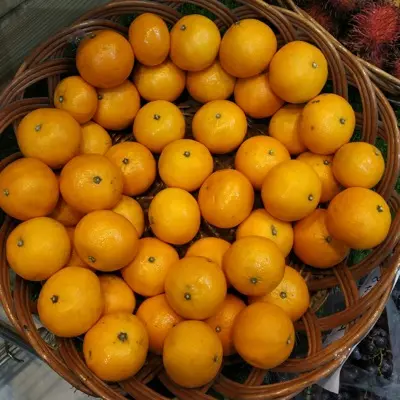
A stunning golden yellow variant of the famous Brandywine that offers the same exceptional flavor profile with a beautiful sunny color and slightly milder taste. These large, creamy yellow beefsteaks create gorgeous contrast in fresh dishes and provide a conversation-starting addition to any heirloom collection. The sweet, low-acid flavor makes them perfect for those sensitive to high-acid tomatoes.
Harvest
85-95d
Days to harvest
Sun
Full sun
Zones
10–10
USDA hardiness
Height
1-10 feet
Planting Timeline
Showing dates for Yellow Brandywine in USDA Zone 7
All Zone 7 tomato →Zone Map
Click a state to update dates
Yellow Brandywine · Zones 10–10
Growing Details
Complete Growing Guide
Yellow Brandywine tomatoes demand an early start indoors, typically 6-8 weeks before your last spring frost. Sow seeds ¼ inch deep in seed-starting mix, maintaining soil temperatures between 70-75°F for optimal germination. Once seedlings emerge, provide strong light to prevent leggy growth—these heirloom plants need sturdy transplants to support their eventual 8-10 foot vines. Harden off seedlings gradually over 7-10 days before transplanting outside, waiting until nighttime temperatures consistently stay above 50°F to avoid shocking the plants.
Space Yellow Brandywine plants 24-36 inches apart in full sun (minimum 8 hours daily) with rich, well-draining soil amended generously with compost or aged manure. These vigorous indeterminate plants benefit from deep soil preparation extending 12-18 inches down, as their extensive root systems seek moisture during the long 85-95 day maturation period. Mix in balanced fertilizer at planting and consider adding crushed eggshells or gypsum to combat blossom-end rot, a particular vulnerability for this variety that causes dark, sunken spots on fruit bottoms.
Water consistently and deeply, delivering 1.5-2 inches weekly through drip irrigation or soaker hoses rather than overhead watering, which invites early and late blight fungal diseases. Yellow Brandywine's susceptibility to late blight demands vigilance—remove lower leaves as plants grow, improve air circulation, and scout regularly for water-soaked spots on foliage. Once plants establish, apply balanced liquid fertilizer every 3-4 weeks, though excessive nitrogen encourages disease and reduces fruit flavor in this already-mild variety.
Implement sturdy trellising or stakes immediately at planting, as mature vines produce heavy yields of 8-12 ounce fruits that demand structural support. Prune Yellow Brandywine moderately, removing only lower suckers and damaged branches; over-aggressive pruning exposes developing fruit to sunscald. Monitor constantly for tomato hornworms—their green coloring camouflages them perfectly on yellow foliage, and a single worm can devastate young plants. Hand-pick or treat with Bacillus thuringiensis if infestations appear. Spider mites thrive in hot, dry conditions, so consistent moisture and misting during heat waves provide dual benefits.
This variety's susceptibility to fruit cracking during heavy rains or inconsistent watering often surprises gardeners accustomed to more forgiving cultivars. Maintain steady soil moisture through mid-season downpours; mulch heavily with 3-4 inches of straw to buffer moisture fluctuations. The low-acid profile that makes Yellow Brandywine perfect for acid-sensitive palates also makes it less forgiving of growing stress—this heirloom rewards careful, consistent attention with those prized golden beefsteaks that justify the extra effort.
Harvesting
Yellow Brandywine tomatoes reach peak harvest readiness when they display a deep, uniform golden yellow color throughout the fruit with no green shoulders, combined with a slight give when gently squeezed and a sweet aroma at the blossom end. These large beefsteaks can weigh up to a pound, so wait until they feel substantial in your hand before picking. This variety follows a continuous harvest pattern rather than a single flush, producing fruit steadily throughout the season if vines remain healthy and supported. A crucial timing tip specific to Yellow Brandywine is to harvest slightly earlier than you might for red varieties—pick when fully colored but still holding slight firmness, as the creamy, low-acid flesh softens rapidly once mature, making overripe fruits prone to splitting and decay.
The fruits are smooth, shiny, glossy, and are classified as berries. The size, shape, and color will vary depending on the variety or cultivar. The color of the fruits may be red, yellow, orange, green, purple, or pink. The fruits may contain over 100 yellow to light brown seeds.
Color: Gold/Yellow, Green, Orange, Pink, Purple/Lavender, Red/Burgundy, Variegated. Type: Berry. Length: > 3 inches. Width: > 3 inches.
Garden value: Edible, Showy
Harvest time: Fall, Summer
Edibility: The fruits or berries of the tomato are edible. They may be eaten raw, cooked, dried, or processed. They are a rich source of Vitamin A, Vitamin C, folic acid, and antioxidants. Lycopene is an antioxidant that gives the tomato its rich red color. Many plants will drop fruit when ripe or the fruit will come off easily. Tomatoes will continue to ripen once picked. Store them at room temperature.
Storage & Preservation
Store freshly harvested Yellow Brandywine tomatoes at room temperature away from direct sunlight, ideally between 68-72°F with moderate humidity. They'll keep for 5-7 days this way, developing deeper flavor as they sit. Refrigeration below 55°F damages their creamy texture and mutes the delicate sweetness, so avoid chilling unless absolutely necessary for extending shelf life beyond a week.
For preservation, freezing works well for sauce applications—simply core and freeze whole, then thaw and slip off skins before processing. Their low acidity makes water bath canning risky; stick with pressure canning or freezing instead. Drying is less ideal given their high water content and soft flesh, but slicing thin and using a dehydrator at 135°F produces acceptable results for reconstituting into sauces.
The mild flavor makes these tomatoes particularly prone to flavor loss during preservation, so prioritize eating fresh or freezing at peak ripeness to retain that characteristic sweetness and creamy quality.
History & Origin
Yellow Brandywine emerged as a color sport or natural mutation of the original Brandywine tomato, a legendary heirloom variety credited to the Quisenberry family in Pennsylvania during the early 1900s. The exact origin and breeder of the yellow variant remain poorly documented in horticultural records, though it likely arose through either spontaneous mutation or deliberate selection within heritage seed-saving communities. The variety gained recognition among heirloom tomato enthusiasts and seed companies during the late twentieth-century heirloom tomato revival, when growers began preserving and propagating unusual color variants of classic varieties. Its lineage is firmly rooted in Brandywine genetics, maintaining the parent's notable flavor characteristics while displaying the distinctive golden-yellow phenotype that distinguishes it within the broader Brandywine family of cultivars.
Origin: Peru
Advantages
- +Exceptional sweet, low-acid flavor perfect for acid-sensitive gardeners
- +Stunning golden yellow color creates beautiful visual contrast in dishes
- +Large beefsteak size yields substantial harvests per fruit
- +Classic Brandywine taste with milder, creamy texture profile
Considerations
- -Moderate to difficult growing difficulty requires experienced tomato cultivation skills
- -Highly susceptible to late blight, early blight, and fusarium wilt
- -Prone to cracking in wet weather, reducing marketable fruit quality
- -Long 85-95 day season demands frost-free climate and patience
Companion Plants
Basil and French marigolds (Tagetes patula) earn their spots closest to the plant. Marigolds produce thiophenes from their roots that suppress root-knot nematodes in the surrounding soil — a real concern with Yellow Brandywine, since NC State Extension points out that heirloom varieties lack the nematode resistance bred into many modern hybrids. Nasturtiums pull aphid pressure away from the tomato foliage by acting as a trap crop, which is a more reliable benefit than most companion claims. Carrots and chives fill gaps between plants at 36–48 inch spacing without much canopy competition.
Fennel produces allelopathic compounds that stunt neighboring plants, and tomatoes are among the more sensitive targets — give it its own bed entirely. Black walnut is the harder constraint: the roots and decomposing leaf litter release juglone, and tomatoes show toxicity symptoms (yellowing, wilting, death) within roughly 50–60 feet of the trunk. If your garden sits inside that radius, no amount of good neighbors will fix it.
Plant Together
Basil
Repels aphids, whiteflies, and hornworms while potentially improving tomato flavor
Marigolds
Repel nematodes, aphids, and whiteflies with their strong scent
Carrots
Help break up soil around tomato roots and don't compete for nutrients
Parsley
Attracts beneficial insects like hoverflies that prey on tomato pests
Chives
Repel aphids and may help prevent fungal diseases
Nasturtiums
Act as trap crop for aphids and cucumber beetles while repelling whiteflies
Oregano
Repels many insects and may help protect against fungal diseases
Lettuce
Benefits from tomato shade and doesn't compete for deep nutrients
Keep Apart
Black Walnut
Releases juglone toxin that causes tomato wilt and stunted growth
Fennel
Inhibits growth of tomatoes through allelopathic compounds
Brassicas
Compete for similar nutrients and may stunt tomato growth when planted nearby
Nutrition Facts
Per 100g serving. % Daily Value based on 2,000 calorie diet. Source: USDA FoodData Central (FDC #321360)
Pests & Disease Resistance
Resistance
Limited disease resistance typical of heirloom varieties
Common Pests
Tomato hornworm, aphids, spider mites
Diseases
Late blight, early blight, fusarium wilt, cracking in wet weather
Troubleshooting Yellow Brandywine
What you'll see, why it happens, and what to do about it.
Large patches of foliage turning gray-green and collapsing fast — sometimes overnight — with dark, water-soaked spots on fruit
Likely Causes
- Late blight (Phytophthora infestans) — airborne spores spread rapidly in cool, wet weather
- Overhead irrigation keeping foliage wet for extended periods
What to Do
- 1.Pull and bag affected plants immediately — do not compost them; late blight spreads to neighbors fast
- 2.Switch to drip irrigation to keep foliage dry
- 3.NC State Extension recommends monitoring your area for late blight reports, as timing varies year to year — check the PDIC tracker before the season starts
Lower leaves developing brown bullseye spots with yellow halos, starting around day 45–50 after transplant
Likely Causes
- Early blight (Alternaria solani) — soil-borne fungus that splashes up during rain or irrigation
- Planting too close (under 36 inches) restricting airflow
What to Do
- 1.Strip affected lower leaves and throw them in the trash, not the compost pile
- 2.Lay 3–4 inches of straw mulch at the base to stop soil splash
- 3.Rotate this bed out of nightshades for at least 3–4 years; NC State Extension's IPM guidance suggests up to 5–7 years for serious tomato disease pressure
Plant wilts during the day and doesn't recover overnight, with no visible mold or lesions on stems
Likely Causes
- Fusarium wilt (Fusarium oxysporum f. sp. lycopersici) — vascular fungus, confirmed by brown streaking inside the stem when cut
- Southern bacterial wilt (Ralstonia solanacearum) — look for slimy, water-soaked stem interior
What to Do
- 1.Dig up and destroy affected plants including the roots — do not compost
- 2.NC State Extension notes that heirloom tomato varieties lack built-in resistance to soilborne diseases; the Rivard & Louws grafting guide (AG-675) covers grafting Yellow Brandywine onto a resistant rootstock if you want to try this bed again
- 3.Move tomatoes and related nightshades out of this bed for a minimum of 3–4 seasons — fusarium persists in soil long after the plant is gone
Fruit splits radially or concentrically after a heavy rain or irrigation following a dry spell
Likely Causes
- Irregular soil moisture — rapid water uptake after drought stress causes fruit skin to crack before the flesh stops expanding
- Large-fruited heirloom genetics — Yellow Brandywine has thinner skin than modern hybrids bred for shipping and shelf life
What to Do
- 1.Mulch heavily — 3–4 inches of straw — to buffer soil moisture swings between rain events
- 2.Run drip irrigation on a timer rather than hand-watering; consistency matters more than total volume for this variety
- 3.Pick fruit at the first blush of yellow and ripen it on the counter; a single hard rain can split a nearly ripe Brandywine before you get back out to the garden
Frequently Asked Questions
How long does Yellow Brandywine take to grow from seed?▼
Can you grow Yellow Brandywine tomatoes in containers?▼
What does Yellow Brandywine taste like compared to regular tomatoes?▼
Is Yellow Brandywine good for beginners?▼
When should I plant Yellow Brandywine seeds?▼
Yellow Brandywine vs Pink Brandywine - what's the difference?▼
Zone-by-Zone Planting Calendar
| Zone | Indoor Start | Transplant | Direct Sow | Harvest |
|---|---|---|---|---|
| Zone 3 | April – April | June – July | — | September – October |
| Zone 4 | March – April | June – June | — | September – October |
| Zone 5 | March – March | May – June | — | August – October |
| Zone 6 | March – March | May – June | — | August – October |
| Zone 7 | February – March | April – May | — | August – October |
| Zone 8 | February – February | April – May | — | July – September |
| Zone 9 | January – January | March – April | — | June – August |
| Zone 10 | January – January | February – March | — | June – August |
| Zone 1 | May – May | July – August | — | October – August |
| Zone 2 | April – May | June – July | — | October – September |
| Zone 11 | January – January | January – February | — | May – July |
| Zone 12 | January – January | January – February | — | May – July |
| Zone 13 | January – January | January – February | — | May – July |
Growing Guides from Wind River Greens
Sources & References
External authority sources used in compiling this guide.
See the Methodology page for how this data is sourced, what's AI-assisted, and known limitations.