Homestead 24
Solanum lycopersicum 'Homestead 24'
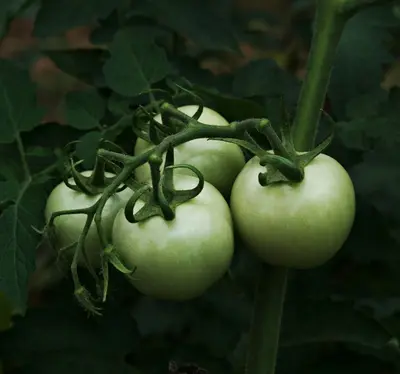
A heat-tolerant determinate variety developed specifically for hot, humid climates where other tomatoes fail. This reliable producer sets fruit even in extreme heat and produces meaty, crack-resistant tomatoes perfect for canning and fresh eating. A true workhorse for Southern gardeners and hot climate growing.
Harvest
80-85d
Days to harvest
Sun
Full sun
Zones
10–11
USDA hardiness
Height
1-10 feet
Planting Timeline
Showing dates for Homestead 24 in USDA Zone 7
All Zone 7 tomato →Zone Map
Click a state to update dates
Homestead 24 · Zones 10–11
Growing Details
Complete Growing Guide
Plant Homestead 24 in late spring after soil temperatures consistently exceed 70°F, as this heat-loving cultivar actually performs better when other tomatoes struggle in peak summer conditions. Unlike tender varieties, delay any nitrogen-heavy fertilizing that can encourage excessive foliage at the expense of fruit set—instead, emphasize phosphorus and potassium once flowering begins. This determinate type is remarkably resistant to fusarium and verticillium wilts common in hot, humid regions, but watch for spider mites during extreme heat waves, which stress the plant and invite infestation. Space plants 24–30 inches apart to maximize air circulation, crucial for disease prevention in Southern humidity. A practical advantage: stake or cage Homestead 24 immediately at planting, since its sturdy, compact growth habit makes support installation easier than with indeterminate varieties, and the concentrated fruit set means you'll harvest most tomatoes within a narrow window—ideal for canning projects.
Light: Full sun (6 or more hours of direct sunlight a day). Soil: Clay, High Organic Matter, Loam (Silt), Sand. Soil pH: Acid (<6.0), Neutral (6.0-8.0). Drainage: Good Drainage, Moist. Height: 1 ft. 0 in. - 10 ft. 0 in.. Spread: 1 ft. 0 in. - 4 ft. 0 in.. Spacing: 3 feet-6 feet. Growth rate: Rapid. Maintenance: High. Propagation: Seed. Regions: Coastal, Mountains, Piedmont.
Harvesting
Homestead 24 tomatoes reach peak harvest readiness when they display a deep, uniform red color throughout the fruit and feel slightly yielding to gentle palm pressure, indicating fully developed interior gel and seeds. The meaty flesh of this cultivar tends to develop visible surface character—slight ridging or segmentation—as it matures, which distinguishes ripe fruits from underripe ones. This variety produces continuously rather than in a single flush, so plan for staggered harvesting every two to three days during peak season to encourage ongoing flower and fruit set. For optimal flavor and crack resistance, pick fruits in early morning when temperatures are coolest, as this cultivar's heat-tolerant nature means fruits develop best when harvested before afternoon heat stress intensifies.
The fruits are smooth, shiny, glossy, and are classified as berries. The size, shape, and color will vary depending on the variety or cultivar. The color of the fruits may be red, yellow, orange, green, purple, or pink. The fruits may contain over 100 yellow to light brown seeds.
Color: Gold/Yellow, Green, Orange, Pink, Purple/Lavender, Red/Burgundy, Variegated. Type: Berry. Length: > 3 inches. Width: > 3 inches.
Garden value: Edible, Showy
Harvest time: Fall, Summer
Edibility: The fruits or berries of the tomato are edible. They may be eaten raw, cooked, dried, or processed. They are a rich source of Vitamin A, Vitamin C, folic acid, and antioxidants. Lycopene is an antioxidant that gives the tomato its rich red color. Many plants will drop fruit when ripe or the fruit will come off easily. Tomatoes will continue to ripen once picked. Store them at room temperature.
Storage & Preservation
Store freshly harvested Homestead 24 tomatoes at room temperature (68–72°F) away from direct sunlight until fully ripe, then refrigerate at 50–55°F in a single layer to extend shelf life to two to three weeks. Avoid stacking to prevent bruising. For seed saving, allow fruits to fully mature on the vine, then ferment seeds in water for three days before drying thoroughly.
Homestead 24's balanced acid content makes it excellent for water-bath canning whole or as sauce—process pints for 85 minutes. The variety also freezes well whole or as puree for winter cooking. Drying in a low oven (200°F for 6–8 hours) concentrates flavor nicely for concentrated pastes. Because this determinate variety bears heavily over a short window, preserving in quantity is practical; plan for multiple preservation methods to manage the harvest surge.
History & Origin
Developed by the University of Florida's Institute of Food and Agricultural Sciences in the 1950s, Homestead 24 emerged from a deliberate breeding program targeting the challenging growing conditions of the American South. The variety represents a significant advancement in heat tolerance, bred specifically to address the failure of traditional tomato cultivars in hot, humid climates where fruit set typically declines during peak summer months. While detailed documentation of its exact parentage remains limited in accessible records, Homestead 24 became a foundational variety for Southern agriculture, establishing a legacy that continues to influence heat-tolerant tomato breeding programs today. Its proven reliability in extreme conditions solidified its status as an essential cultivar for gardeners across hot-climate regions.
Origin: Peru
Advantages
- +Exceptional heat tolerance makes it ideal for Southern and hot climates
- +Sets fruit reliably even during extreme heat waves other varieties fail
- +Meaty, crack-resistant fruits perfect for canning and sauce making
- +Balanced, rich flavor with good acidity for fresh eating too
- +Determinate habit means concentrated harvest and manageable plant size
Considerations
- -Susceptible to early blight in humid climates requiring vigilant monitoring
- -Prone to cracking during cool, wet weather after hot periods
- -Vulnerable to bacterial spot disease in wet conditions
Companion Plants
Basil goes in first, every time — not because the science on pest repellency is ironclad, but because you're going to be picking both things on the same afternoon anyway. Marigolds (Tagetes spp.) do more measurable work: their root secretions suppress root-knot nematodes in the soil, which is a real concern for Homestead 24 specifically. NC State Extension points out that heirloom varieties often lack the soilborne disease resistance bred into modern hybrids, so anything that helps on the nematode front is worth the bed space. Carrots and parsley fill in below the canopy at 6–8 inches without pulling much water, and chives can break up aphid flight paths along the row.
Fennel (Foeniculum vulgare) is allelopathic toward most vegetables — keep it at least 10 feet away or it'll stunt whatever's nearest. Brassicas share enough pest pressure with tomatoes, particularly aphids and caterpillar species like imported cabbageworm, that putting them adjacent just concentrates the problem. Black walnut (Juglans nigra) is the hardest no on this list: its roots release juglone, a compound toxic to Solanums, and the damage radius can extend well beyond the tree's visible canopy.
Plant Together
Basil
Repels aphids, whiteflies, and hornworms while potentially improving tomato flavor
Marigold
Deters nematodes, whiteflies, and other harmful insects with strong scent
Carrots
Loosens soil for tomato roots and doesn't compete for space or nutrients
Parsley
Attracts beneficial insects like hoverflies that prey on tomato pests
Chives
Repels aphids and may help prevent fungal diseases with sulfur compounds
Nasturtium
Acts as trap crop for aphids and cucumber beetles, draws pests away
Lettuce
Provides living mulch, conserves soil moisture, and matures before tomatoes need full space
Oregano
Repels various insects and may provide some disease resistance benefits
Keep Apart
Black Walnut
Produces juglone toxin that causes tomato wilt and stunted growth
Fennel
Inhibits growth of tomatoes through allelopathic compounds and attracts harmful insects
Brassicas
Compete for similar nutrients and may stunt tomato growth when planted too close
Nutrition Facts
Per 100g serving. % Daily Value based on 2,000 calorie diet. Source: USDA FoodData Central (FDC #321360)
Pests & Disease Resistance
Resistance
Excellent heat tolerance, some fusarium wilt resistance
Common Pests
Hornworms, aphids, spider mites in hot weather
Diseases
Early blight, bacterial spot, cracking in cool weather
Troubleshooting Homestead 24
What you'll see, why it happens, and what to do about it.
Lower leaves developing dark bullseye spots with yellowing halos, starting around day 40–50 after transplant
Likely Causes
- Early blight (Alternaria solani) — a soil-borne fungus that splashes up onto foliage during rain or overhead watering
- Crowded planting under 24 inches that traps humidity and limits airflow
What to Do
- 1.Strip the affected leaves and bag them — don't compost them, the fungus survives
- 2.Lay 3–4 inches of straw mulch at the base to stop soil splash
- 3.NC State Extension's IPM guidance recommends rotating nightshades out of the same bed for at least 3–4 years; for some tomato diseases the rotation window is 5–7 years
Fruit cracking radially or concentrically after a heavy rain following a dry spell
Likely Causes
- Irregular soil moisture — rapid water uptake after drought stress forces the flesh to expand faster than the skin can stretch
- Cool nighttime temps compounding the effect on fruit that's already close to ripe
What to Do
- 1.Water consistently — drip irrigation on a timer beats hand-watering for keeping moisture even
- 2.Mulch the bed to buffer soil moisture swings between rain events
- 3.Harvest fruit at first blush of color and let it ripen off the vine during stretches of wet weather
Frequently Asked Questions
How long does Homestead 24 take to grow from seed?▼
Can you grow Homestead 24 in containers?▼
Is Homestead 24 good for beginners?▼
What does Homestead 24 taste like?▼
When should I plant Homestead 24 tomatoes?▼
Homestead 24 vs Celebrity tomato - what's the difference?▼
Zone-by-Zone Planting Calendar
| Zone | Indoor Start | Transplant | Direct Sow | Harvest |
|---|---|---|---|---|
| Zone 3 | April – April | June – July | — | September – October |
| Zone 4 | March – April | June – June | — | September – October |
| Zone 5 | March – March | May – June | — | August – October |
| Zone 6 | March – March | May – June | — | August – October |
| Zone 7 | February – March | April – May | — | July – September |
| Zone 8 | February – February | April – May | — | July – September |
| Zone 9 | January – January | March – April | — | June – August |
| Zone 10 | January – January | February – March | — | May – July |
| Zone 1 | May – May | July – August | — | October – August |
| Zone 2 | April – May | June – July | — | September – September |
| Zone 11 | January – January | January – February | — | April – June |
| Zone 12 | January – January | January – February | — | April – June |
| Zone 13 | January – January | January – February | — | April – June |
Growing Guides from Wind River Greens
Sources & References
External authority sources used in compiling this guide.
See the Methodology page for how this data is sourced, what's AI-assisted, and known limitations.