Moskvich
Solanum lycopersicum
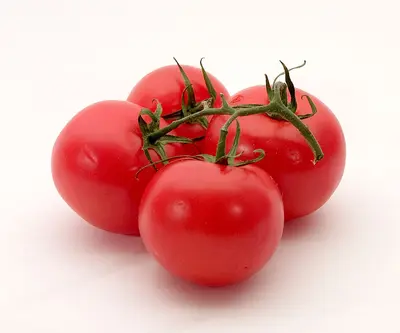
Fruits are early, deep red, and cold tolerant. Rich flavor. Smooth and globe-shaped. 4-6 oz. with a small stem scar. Indeterminate.
Harvest
60d
Days to harvest
Sun
Full sun
Zones
10–10
USDA hardiness
Height
1-10 feet
Planting Timeline
Showing dates for Moskvich in USDA Zone 7
All Zone 7 tomato →Zone Map
Click a state to update dates
Moskvich · Zones 10–10
Growing Details
Succession Planting
Moskvich is an indeterminate heirloom that keeps setting fruit until frost takes it down, so you don't succession-plant it the way you would lettuce or radishes. One planting per bed per season is standard. If you want to spread out your peak harvest, stagger transplant dates by 2 to 3 weeks across different beds — one out in late April, a second in mid-May — which also means a single blight event or heat spike is less likely to knock out everything at once.
What matters more for Moskvich is rotation between seasons. NC State Extension recommends keeping tomatoes out of the same bed for 3 to 4 years at minimum, and 5 to 7 years if you've had fusarium wilt or late blight in that spot. Map your beds and hold to the schedule — it's easy to rationalize planting tomatoes in the same place two years running, and by mid-August you'll usually wish you hadn't.
Complete Growing Guide
Fruits are early, deep red, and cold tolerant. Rich flavor. Smooth and globe-shaped. 4-6 oz. with a small stem scar. Indeterminate. According to Johnny's Selected Seeds, Moskvich is 60 days to maturity, annual, open pollinated, indeterminate growth habit. Notable features: Organic Seeds, Plants, and Supplies, Heirloom.
Light: Full sun (6 or more hours of direct sunlight a day). Soil: Clay, High Organic Matter, Loam (Silt), Sand. Soil pH: Acid (<6.0), Neutral (6.0-8.0). Drainage: Good Drainage, Moist. Height: 1 ft. 0 in. - 10 ft. 0 in. Spread: 1 ft. 0 in. - 4 ft. 0 in. Spacing: 3 feet-6 feet. Growth rate: Rapid. Maintenance: High. Propagation: Seed. Regions: Coastal, Mountains, Piedmont.
Harvesting
Moskvich reaches harvest at 60 days from sowing per Johnny's Selected Seeds. Expect 4-6 oz. at peak. As an annual, harvest continues until frost ends the season.
The fruits are smooth, shiny, glossy, and are classified as berries. The size, shape, and color will vary depending on the variety or cultivar. The color of the fruits may be red, yellow, orange, green, purple, or pink. The fruits may contain over 100 yellow to light brown seeds.
Color: Gold/Yellow, Green, Orange, Pink, Purple/Lavender, Red/Burgundy, Variegated. Type: Berry. Length: > 3 inches. Width: > 3 inches.
Garden value: Edible, Showy
Harvest time: Fall, Summer
Edibility: The fruits or berries of the tomato are edible. They may be eaten raw, cooked, dried, or processed. They are a rich source of Vitamin A, Vitamin C, folic acid, and antioxidants. Lycopene is an antioxidant that gives the tomato its rich red color. Many plants will drop fruit when ripe or the fruit will come off easily. Tomatoes will continue to ripen once picked. Store them at room temperature.
Storage & Preservation
Harvest Moskvich tomatoes when fully ripe for best flavor. Store fresh fruit at room temperature away from direct sunlight; refrigeration dulls their well-balanced taste and is unnecessary for ripe specimens. Keep them in a single layer in a cardboard box or paper bag, where they'll hold for 5–7 days. For longer preservation, these tomatoes excel at canning whole or crushed—their balanced acidity and moderate size make them ideal candidates for hot-water bath processing. Freezing works well for sauce applications: simply core and freeze whole, or cook down briefly before freezing in portions. Drying concentrates their subtle sweetness effectively; slice, salt lightly, and dry in a low oven or dehydrator until leathery. Their early maturity means successive plantings let you preserve harvests throughout the season rather than facing a single glut.
History & Origin
Moskvich is an heirloom variety with documented breeding heritage. Moskvich is open-pollinated, meaning seed saved from healthy plants will produce true-to-type offspring. Listed in the Johnny's Selected Seeds catalog.
Origin: Peru
Advantages
- +Early 60-day maturity perfect for short growing seasons and cool climates
- +Cold-tolerant variety thrives where other tomatoes struggle or fail completely
- +Rich, well-balanced flavor with good acidity makes it superior to many early varieties
- +Small stem scar and smooth globe shape create attractive, uniform fruits
Considerations
- -Late blight vulnerability in humid conditions requires vigilant disease management
- -Susceptible to fusarium wilt in contaminated or poorly-rotated soil
- -Indeterminate growth requires consistent staking, pruning, and season-long support
- -Multiple pest pressure from cutworms, flea beetles, and aphids demands monitoring
Companion Plants
Basil next to tomatoes is a pairing most gardeners already know about, and the aphid-confusion claims are real enough — basil's volatile oils do appear to disrupt how aphids locate hosts. With Moskvich, which pushes out a flush of tender new growth early in the season, aphid pressure can show up before the plant has much size. Planting basil 12 to 18 inches away keeps it from getting buried under the canopy when the tomato fills in, and you'll actually get usable basil out of the deal.
French marigolds (Tagetes patula) pull more documented weight than most companion plants. Their roots produce thiophenes that suppress soil nematodes, and the blooms draw predatory wasps that work through aphid colonies. Put them at the bed edges — marigolds struggling in partial shade under a 4-foot tomato aren't doing much. Nasturtiums are worth tucking in nearby as a trap crop: aphids find them first, which gives you a visible early signal before the tomatoes get hit.
Keep fennel out of the same bed entirely. It produces anethole and related compounds that inhibit root development in tomatoes, and the effect is strong enough at 2 to 3 feet to noticeably slow a plant down. Black walnut is a harder problem — juglone doesn't just affect nearby plants, it persists in the soil after roots decay, and tomatoes are among the most sensitive crops to it. If there's a black walnut within 50 to 60 feet, that ground isn't a good spot for Moskvich.
Plant Together
Basil
Repels aphids, whiteflies, and hornworms while potentially improving tomato flavor
Marigold
Deters nematodes, aphids, and whiteflies with natural compounds
Carrots
Loosens soil for tomato roots and doesn't compete for nutrients
Parsley
Attracts beneficial insects like hoverflies that prey on tomato pests
Nasturtium
Acts as trap crop for aphids and cucumber beetles, draws pests away
Chives
Repels aphids and may improve tomato growth and flavor
Oregano
Repels many insect pests and may enhance tomato flavor
Lettuce
Provides ground cover and benefits from tomato shade during hot weather
Keep Apart
Black Walnut
Produces juglone toxin that causes tomato wilt and stunted growth
Fennel
Inhibits tomato growth through allelopathic compounds
Corn
Both attract corn earworm/tomato hornworm, creating pest concentration
Nutrition Facts
Per 100g serving. % Daily Value based on 2,000 calorie diet. Source: USDA FoodData Central (FDC #321360)
Pests & Disease Resistance
Resistance
Excellent cold tolerance, good resistance to early blight and septoria leaf spot
Common Pests
Cutworms, flea beetles, aphids
Diseases
Late blight in humid conditions, fusarium wilt
Troubleshooting Moskvich
What you'll see, why it happens, and what to do about it.
Large patches of foliage turning gray-green and collapsing fast — sometimes overnight — with dark water-soaked spots on fruit
Likely Causes
- Late blight (Phytophthora infestans) — triggered by cool, wet nights above 60°F combined with humid days
- Overhead watering that keeps foliage wet for extended periods
What to Do
- 1.Pull and bag affected plants immediately — don't compost them; late blight spreads fast and the spores travel on wind
- 2.Switch to drip irrigation or water at the base only, early in the morning
- 3.NC State Extension notes late blight can appear at different times each season depending on weather — check the PDIC monitoring reports if you're seeing widespread collapse in your area
Plant wilts during the day and doesn't recover overnight, no obvious stem damage visible above soil
Likely Causes
- Fusarium wilt (Fusarium oxysporum f. sp. lycopersici) — soil-borne fungus that colonizes vascular tissue; cut the stem near the base and look for brown discoloration inside
- Southern bacterial wilt (Ralstonia solanacearum) — drop a cut stem section in a glass of water and watch for milky bacterial streaming
What to Do
- 1.Dig up and destroy affected plants including the roots — don't leave them in the bed
- 2.NC State Extension recommends rotating out of tomatoes for 5 to 7 years on beds with confirmed fusarium or bacterial wilt history; if that's not practical, grow in containers with fresh bagged soil kept physically isolated from native garden soil
- 3.Moskvich carries no fusarium resistance designation, so don't replant tomatoes in that spot next season regardless of how healthy things looked at harvest
Small ragged holes chewed through leaves on seedlings or new transplants, with tiny dark jumping insects visible on the foliage
Likely Causes
- Flea beetles (Epitrix hirtipennis and related species) — pressure peaks on young plants under stress, especially during hot dry spells shortly after transplant
What to Do
- 1.Cover transplants with floating row cover (Reemay or similar) for the first 2 to 3 weeks after setting out — flea beetle pressure drops sharply once plants hit 12 inches and have enough leaf mass to absorb the damage
- 2.Keep transplants consistently watered; drought-stressed plants take far longer to grow through the injury
- 3.If pressure is heavy, apply kaolin clay (Surround WP) to foliage as a physical deterrent — reapply after rain
Frequently Asked Questions
How long does Moskvich tomato take to grow from seed?▼
Can you grow Moskvich tomatoes in containers?▼
Is Moskvich good for beginners?▼
What does Moskvich tomato taste like?▼
When should I plant Moskvich tomatoes?▼
Moskvich vs Early Girl tomato - what's the difference?▼
Zone-by-Zone Planting Calendar
| Zone | Indoor Start | Transplant | Direct Sow | Harvest |
|---|---|---|---|---|
| Zone 1 | May – May | July – August | — | September – August |
| Zone 2 | April – May | June – July | — | September – September |
| Zone 11 | January – January | January – February | — | April – June |
| Zone 12 | January – January | January – February | — | April – June |
| Zone 13 | January – January | January – February | — | April – June |
| Zone 3 | April – April | June – July | — | August – October |
| Zone 4 | March – April | June – June | — | August – October |
| Zone 5 | March – March | May – June | — | July – September |
| Zone 6 | March – March | May – June | — | July – September |
| Zone 7 | February – March | April – May | — | July – September |
| Zone 8 | February – February | April – May | — | June – August |
| Zone 9 | January – January | March – April | — | May – July |
| Zone 10 | January – January | February – March | — | May – July |
Growing Guides from Wind River Greens
Sources & References
External authority sources used in compiling this guide.
- BreederJohnny's Selected Seeds
- USDAUSDA FoodData Central
See the Methodology page for how this data is sourced, what's AI-assisted, and known limitations.