Wisconsin 55
Solanum lycopersicum
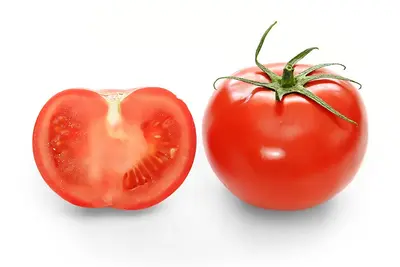
Produces 6-8 oz. slicers that are great for fresh eating and popular for canning, particularly for stewed tomatoes. This long-popular workhorse variety was developed by the University of Wisconsin, Madison in the 1940's. While there are several strains of Wisconsin 55 on the market, their quality has degraded over time. That is why Johnny's identified this strain, which shows more consistent size, healthier plants, and fewer fruit defects than other commercially available Wisconsin 55 strains. We also believe ours to be closer to the original variety. We acquired it from University of Wisconsin, Madison plant geneticist Ted Bingham, who had frozen Wisconsin 55 seeds purchased in the 1960's. Demonstrates some field tolerance to early blight and Septoria diseases. Indeterminate.
Harvest
80d
Days to harvest
Sun
Full sun
Zones
10–11
USDA hardiness
Height
1-10 feet
Planting Timeline
Showing dates for Wisconsin 55 in USDA Zone 7
All Zone 7 tomato →Zone Map
Click a state to update dates
Wisconsin 55 · Zones 10–11
Growing Details
Complete Growing Guide
Start Wisconsin 55 seeds indoors six to eight weeks before your last spring frost date. This timing is crucial for northern gardeners since the variety's 75 to 80-day maturity window means you'll need vigorous transplants ready to go into the ground as soon as soil temperatures reach 60°F. Direct sowing is possible in warmer microclimates, but indoor starting gives you the best shot at maximizing your short growing season. Sow seeds quarter-inch deep in moist seed-starting mix and maintain soil temperatures between 70 and 75°F for germination.
When preparing beds, work in generous amounts of organic matter like compost or aged manure, aiming for rich, well-draining soil with a pH between 6.0 and 6.8. Space Wisconsin 55 plants 24 to 30 inches apart, as this variety grows determinately and stays more compact than sprawling indeterminate types, though individual plants can still reach up to 10 feet under ideal conditions. Plant slightly deeper than they grew in their containers, burying the stem up to the first true leaves to encourage a stronger root system—particularly important in cooler climates where robust roots help plants access warmth and nutrients.
Water deeply and consistently throughout the season, providing about one inch per week through rain or irrigation. In cool, wet conditions typical of northern regions where Wisconsin 55 thrives, be especially vigilant about foliage diseases. Avoid wetting the leaves and water at soil level in early morning to reduce conditions favorable for late blight and septoria leaf spot, both of which plague this variety in its native climate zones. Feed with a balanced fertilizer every two weeks once plants begin flowering, or use a tomato-specific formula that's slightly higher in phosphorus and potassium to encourage fruit set.
Watch for Colorado potato beetles early in the season—they're particularly problematic in northern gardens—and remove them by hand or use organic controls like spinosad if populations explode. Aphids and cutworms are secondary concerns; cutworm collars around transplant stems at planting time prevent most damage. Monitor closely for late blight starting in mid-summer; remove affected leaves immediately and increase air circulation by pruning lower suckers and non-productive branches. This selective pruning is more important for Wisconsin 55 than for sprawling varieties since it improves airflow in its naturally bushier growth habit.
Blossom-end rot, while caused by calcium deficiency rather than pests, strikes when watering is erratic. Maintain consistent moisture levels—this variety actually shows more tolerance to fluctuations than many types, but inconsistent watering will still trigger the characteristic dark, sunken spots on fruit bottoms. Mulch heavily around plants to regulate soil moisture and keep roots cool in whatever warmth your season provides. Wisconsin 55's true superpower is producing flavorful, full-sized tomatoes even when nights stay cool; many gardeners make the mistake of thinking it doesn't need warmth, but it still performs best with consistent heat during fruiting.
Harvesting
Wisconsin 55 reaches harvest at 80 days from sowing per Johnny's Selected Seeds. Expect 6-8 oz. at peak. As an annual, harvest continues until frost ends the season.
The fruits are smooth, shiny, glossy, and are classified as berries. The size, shape, and color will vary depending on the variety or cultivar. The color of the fruits may be red, yellow, orange, green, purple, or pink. The fruits may contain over 100 yellow to light brown seeds.
Color: Gold/Yellow, Green, Orange, Pink, Purple/Lavender, Red/Burgundy, Variegated. Type: Berry. Length: > 3 inches. Width: > 3 inches.
Garden value: Edible, Showy
Harvest time: Fall, Summer
Edibility: The fruits or berries of the tomato are edible. They may be eaten raw, cooked, dried, or processed. They are a rich source of Vitamin A, Vitamin C, folic acid, and antioxidants. Lycopene is an antioxidant that gives the tomato its rich red color. Many plants will drop fruit when ripe or the fruit will come off easily. Tomatoes will continue to ripen once picked. Store them at room temperature.
Storage & Preservation
Store freshly harvested Wisconsin 55 tomatoes at room temperature, away from direct sunlight, until fully ripe. Once ripe, move them to 50-55°F with 85-90% humidity to extend shelf life to 1-2 weeks. Use breathable containers or paper bags to prevent moisture buildup that encourages rot. Fresh tomatoes keep only a few days at room temperature but several weeks refrigerated, though flavor diminishes slightly in cold storage.
This variety's balanced acidity makes it exceptional for home canning—both whole pack and sauce methods work reliably. The firm flesh resists over-softening during processing. Freezing whole tomatoes works well for later cooking; thaw slightly before using, as skins slip off easily. Drying concentrates the traditional flavor profile beautifully. For longer-term storage without processing, fermenting halved tomatoes in salt brine preserves them for months while developing complex depth.
History & Origin
Wisconsin 55 is open-pollinated, meaning seed saved from healthy plants will produce true-to-type offspring. Listed in the Johnny's Selected Seeds catalog.
Origin: Peru
Advantages
- +Versatile 6-8 oz. fruits excellent for fresh eating and canning purposes
- +Well-balanced flavor with good acidity delivers traditional, dependable tomato taste
- +Historically significant heirloom variety restored to original quality from 1960s seeds
- +Some field tolerance to early blight and Septoria leaf spot diseases
- +Long indeterminate season provides extended harvests over 80+ days
Considerations
- -Susceptible to late blight in cool, wet growing conditions
- -Requires consistent management to prevent Septoria leaf spot infections
- -Multiple inferior commercial strains exist, making seed source selection critical
Companion Plants
Basil is the one I'd plant first — 12 inches off every tomato row — mostly because you're already standing there harvesting both at the same time, and Wisconsin 55 is a long-season 80-day variety that benefits from having something useful occupying that space early. French marigolds (Tagetes patula) earn a spot at the bed edges: their roots exude alpha-terthienyl, which suppresses root-knot nematodes in surrounding soil, a real problem in the sandy loam and clay mix common to zone 7 Georgia gardens. Nasturtiums work as a trap crop, pulling aphid colonies off the tomatoes and onto themselves where you can pull the whole plant if it gets bad. Fennel is allelopathic to most vegetables and will measurably stunt tomato growth — give it its own bed far from this one, or cut it from the plan entirely.
Plant Together
Basil
Repels aphids, whiteflies, and hornworms while potentially improving tomato flavor
Marigold
Deters nematodes, aphids, and whiteflies with natural compounds
Nasturtium
Acts as trap crop for aphids and cucumber beetles, repels whiteflies
Parsley
Attracts beneficial insects like hoverflies and parasitic wasps
Carrots
Help break up soil and don't compete for nutrients or space
Chives
Repel aphids and may improve tomato growth and flavor
Borage
Repels hornworms and attracts pollinators, may improve tomato taste
Lettuce
Provides ground cover and efficient use of space without competing for nutrients
Keep Apart
Black Walnut
Produces juglone toxin that causes tomato wilt and stunted growth
Fennel
Inhibits growth of tomatoes through allelopathic compounds
Brassicas
Compete for similar nutrients and may stunt tomato growth when planted too close
Corn
Both attract corn earworm/tomato hornworm and compete for nitrogen
Nutrition Facts
Per 100g serving. % Daily Value based on 2,000 calorie diet. Source: USDA FoodData Central (FDC #321360)
Pests & Disease Resistance
Resistance
Good cold tolerance, moderate resistance to common tomato diseases
Common Pests
Colorado potato beetle, aphids, cutworms
Diseases
Late blight in cool, wet conditions, septoria leaf spot
Troubleshooting Wisconsin 55
What you'll see, why it happens, and what to do about it.
Large gray-green patches on foliage that wither fast — sometimes overnight — with dark, water-soaked spots appearing on fruit
Likely Causes
- Late blight (Phytophthora infestans) — thrives in cool, wet stretches, often mid-summer storms in the Southeast
- Overhead irrigation keeping foliage wet for extended periods
What to Do
- 1.Remove and bag affected foliage immediately — do not compost it
- 2.Switch to drip irrigation or water at the base only, early in the morning
- 3.Contact your county extension office or the NC State PDIC if you suspect late blight — they actively monitor its spread across the region
Small, dark brown circular leaf spots with yellow halos, starting on lower leaves around day 40–50 after transplant
Likely Causes
- Septoria leaf spot (Septoria lycopersici) — a fungal disease that splashes up from soil during rain or irrigation
- Dense planting that limits airflow between plants
What to Do
- 1.Strip affected lower leaves and dispose of them in the trash, not the compost pile
- 2.Lay 3–4 inches of straw mulch around the base to reduce soil splash
- 3.Space plants 24–30 inches apart as recommended — crowding makes this disease spread faster
Entire plant wilts suddenly and collapses, even with adequate soil moisture; stem shows brown discoloration in the vascular tissue when sliced
Likely Causes
- Southern bacterial wilt (Ralstonia solanacearum) — a soilborne pathogen that persists in infested ground indefinitely, per NC State Extension
- Southern blight (Sclerotium rolfsii) — another soilborne pathogen, often visible as white mycelial growth at the soil line
What to Do
- 1.Dig up and destroy the entire plant including roots — do not compost
- 2.Do not plant tomatoes or other solanaceous crops in that bed again; Ralstonia solanacearum does not break down in soil over time
- 3.Consider growing Wisconsin 55 in containers next season, making sure container mix never contacts native soil from the infested area
Chewed or completely severed transplant stems at or just below soil level, seedlings toppling over shortly after transplanting in April or May
Likely Causes
- Cutworms (Agrotis spp.) — fat gray-brown caterpillars that feed at night and hide in the soil during the day
- Failure to till or disturb soil before planting, leaving overwintering larvae undisturbed
What to Do
- 1.Press a cardboard or plastic collar 2 inches into the soil around each transplant stem at planting time
- 2.Hand-pick cutworms by digging around the base of damaged plants after dark with a flashlight
- 3.Work the soil 7–10 days before transplanting to expose larvae to birds and drying
Frequently Asked Questions
How long does Wisconsin 55 take to grow from seed to harvest?▼
Can you grow Wisconsin 55 tomatoes in containers?▼
What does Wisconsin 55 tomato taste like?▼
When should I plant Wisconsin 55 tomatoes?▼
Is Wisconsin 55 good for beginners?▼
Wisconsin 55 vs Early Girl tomato - what's the difference?▼
Zone-by-Zone Planting Calendar
| Zone | Indoor Start | Transplant | Direct Sow | Harvest |
|---|---|---|---|---|
| Zone 1 | May – May | July – August | — | October – August |
| Zone 2 | April – May | June – July | — | September – September |
| Zone 11 | January – January | January – February | — | April – June |
| Zone 12 | January – January | January – February | — | April – June |
| Zone 13 | January – January | January – February | — | April – June |
| Zone 3 | April – April | June – July | — | September – October |
| Zone 4 | March – April | June – June | — | August – October |
| Zone 5 | March – March | May – June | — | August – October |
| Zone 6 | March – March | May – June | — | August – October |
| Zone 7 | February – March | April – May | — | July – September |
| Zone 8 | February – February | April – May | — | July – September |
| Zone 9 | January – January | March – April | — | June – August |
| Zone 10 | January – January | February – March | — | May – July |
Growing Guides from Wind River Greens
Sources & References
External authority sources used in compiling this guide.
- BreederJohnny's Selected Seeds
- USDAUSDA FoodData Central
See the Methodology page for how this data is sourced, what's AI-assisted, and known limitations.