Tumbling Tom
Solanum lycopersicum 'Tumbling Tom'
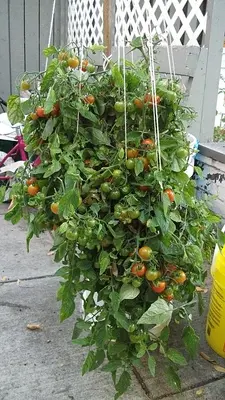
A cascading cherry tomato variety specifically bred for hanging baskets and containers, producing abundant clusters of sweet, bite-sized fruits. The trailing habit creates a beautiful waterfall effect while providing continuous harvests throughout the season. Perfect for patios, balconies, and small-space gardening where vertical growing is preferred.
Harvest
65-70d
Days to harvest
Sun
Full sun
Zones
10–11
USDA hardiness
Height
1-10 feet
Planting Timeline
Showing dates for Tumbling Tom in USDA Zone 7
All Zone 7 tomato →Zone Map
Click a state to update dates
Tumbling Tom · Zones 10–11
Growing Details
Complete Growing Guide
The cascading growth habit of 'Tumbling Tom' demands support structures like hanging baskets or trellises from the start, unlike bush varieties that need minimal infrastructure. Plant after the last frost when soil reaches 60°F, as this cultivar flowers prolifically once established and benefits from warm conditions. Its determinate-trailing nature means it won't require aggressive pruning, but ensure consistent moisture—the shallow root system of container plants dries quickly in heat. Watch for spider mites, which favor the dense foliage of cascading types, and improve air circulation to prevent early blight in humid climates. A practical tip: pinch only the first flowers that appear within two weeks of planting to redirect energy into vine development, then allow clusters to fruit freely for maximum harvests by mid-summer.
Light: Full sun (6 or more hours of direct sunlight a day). Soil: Clay, High Organic Matter, Loam (Silt), Sand. Soil pH: Acid (<6.0), Neutral (6.0-8.0). Drainage: Good Drainage, Moist. Height: 1 ft. 0 in. - 10 ft. 0 in.. Spread: 1 ft. 0 in. - 4 ft. 0 in.. Spacing: 3 feet-6 feet. Growth rate: Rapid. Maintenance: High. Propagation: Seed. Regions: Coastal, Mountains, Piedmont.
Harvesting
Tumbling Tom cherry tomatoes reach peak harvest readiness when they display a deep red color throughout, typically measuring about three-quarter inch in diameter with a slight give when gently squeezed. Unlike single-harvest varieties, this cultivar produces fruit continuously throughout the season, rewarding frequent picking with even more prolific blooming. The key timing advantage for this variety is harvesting in early morning when fruits are coolest and most flavorful, which also encourages the plant to redirect energy into developing new flower clusters rather than supporting mature fruit. Gentle twisting motion removes ripe tomatoes cleanly from their stems without damaging delicate trailing branches.
The fruits are smooth, shiny, glossy, and are classified as berries. The size, shape, and color will vary depending on the variety or cultivar. The color of the fruits may be red, yellow, orange, green, purple, or pink. The fruits may contain over 100 yellow to light brown seeds.
Color: Gold/Yellow, Green, Orange, Pink, Purple/Lavender, Red/Burgundy, Variegated. Type: Berry. Length: > 3 inches. Width: > 3 inches.
Garden value: Edible, Showy
Harvest time: Fall, Summer
Edibility: The fruits or berries of the tomato are edible. They may be eaten raw, cooked, dried, or processed. They are a rich source of Vitamin A, Vitamin C, folic acid, and antioxidants. Lycopene is an antioxidant that gives the tomato its rich red color. Many plants will drop fruit when ripe or the fruit will come off easily. Tomatoes will continue to ripen once picked. Store them at room temperature.
Storage & Preservation
Tumbling Tom fruits are best stored at room temperature away from direct sunlight, which helps preserve their delicate sweet-tangy flavor. Keep them in a single layer on a counter or in a shallow container with good air circulation; avoid sealed plastic bags that trap moisture and encourage rot. Fresh tomatoes will keep for 3–5 days this way, depending on ripeness at harvest. For longer preservation, freezing works well—simply wash, core, and freeze whole on a baking sheet before transferring to freezer bags. You can also quarter and freeze them in their own juices for sauces. These cherry-sized fruits are too small to can effectively using standard whole-fruit methods, but they're excellent for making small-batch jams or concentrated tomato paste. Drying in a low oven (200°F) concentrates their sweetness beautifully. Because Tumbling Tom fruits ripen continuously over 65–70 days, your most practical approach is regular harvesting and immediate eating—they're bred for fresh snacking straight from the cascade, so embrace that purpose rather than storing large quantities.
History & Origin
Tumbling Tom emerged from deliberate breeding efforts to create compact, trailing tomato varieties suited to container gardening, though detailed documentation of its original breeder and introduction year remains limited in widely accessible horticultural records. The variety represents a logical extension of cherry tomato breeding lines that gained popularity in the late twentieth century, capitalizing on growing interest in ornamental edibles and small-space cultivation. Its development likely occurred within commercial seed company programs focused on habit-controlled cultivars, though the specific breeding line ancestry and originating institution are not definitively documented in standard botanical literature. The variety's characteristics suggest selection for determinate growth combined with cascading traits found in related cherry tomato germplasm.
Origin: Peru
Advantages
- +Cascading growth habit creates stunning visual displays in hanging baskets and containers.
- +Produces abundant clusters of sweet, bite-sized cherry tomatoes for continuous harvesting.
- +Requires minimal space, making it ideal for balconies, patios, and small gardens.
- +Quick maturation at 65-70 days provides relatively fast harvest satisfaction.
- +Easy to grow variety suitable for beginner and experienced gardeners alike.
Considerations
- -Vulnerable to powdery mildew and early blight in humid or crowded conditions.
- -Prone to root rot if container drainage is poor or overwatering occurs.
- -Attracts aphids, whiteflies, and spider mites, especially during hot weather periods.
- -Small fruit size means longer picking times compared to larger tomato varieties.
Companion Plants
Basil and marigolds earn their spot. Basil is credited with confusing aphids and whiteflies — the same pests NC State Extension flags for tomatoes in hot weather — and at 65–70 days to harvest you'll be pulling both at the same time anyway, which is its own argument. Marigolds (Tagetes spp.) release thiophenes from their roots that suppress soil nematodes, which matters if your containers or beds have any history of root problems. Nasturtiums work as a trap crop, pulling aphids off the fruit and onto themselves. Fennel is the plant to keep 3–4 feet away at minimum — it produces allelopathic root compounds that stunt most vegetables, and there's nothing it offers a tomato that offsets that.
Plant Together
Basil
Repels aphids and whiteflies, may improve flavor
Marigold
Deters nematodes and attracts beneficial insects
Nasturtium
Acts as trap crop for aphids and cucumber beetles
Parsley
Attracts beneficial insects and doesn't compete for space
Carrots
Loosens soil and doesn't compete for nutrients
Borage
Repels tomato hornworms and attracts pollinators
Chives
Repels aphids and may improve tomato flavor
Lettuce
Provides ground cover and benefits from tomato's shade
Keep Apart
Black Walnut
Releases juglone toxin which stunts tomato growth
Fennel
Inhibits growth of most garden plants through allelopathy
Brassicas
Compete for nutrients and may stunt tomato growth
Nutrition Facts
Per 100g serving. % Daily Value based on 2,000 calorie diet. Source: USDA FoodData Central (FDC #321360)
Pests & Disease Resistance
Resistance
Good general disease resistance for container growing
Common Pests
Aphids, whiteflies, spider mites in hot weather
Diseases
Powdery mildew, early blight, root rot if overwatered
Troubleshooting Tumbling Tom
What you'll see, why it happens, and what to do about it.
White or gray powdery coating on upper leaf surfaces, spreading fast in warm dry weather
Likely Causes
- Powdery mildew — caused by Podosphaera xanthii or related fungi; spores spread by wind and don't need wet leaves to germinate
- Poor airflow from dense container planting or spacing tighter than 12 inches
What to Do
- 1.Remove heavily coated leaves and bin them — don't compost
- 2.Spray with a diluted potassium bicarbonate solution or neem oil early morning so leaves dry by midday
- 3.Space plants at least 12–18 inches apart and keep containers out of dead-air corners
Lower leaves developing dark bullseye spots with yellow halos, starting around day 45 after transplant
Likely Causes
- Early blight (Alternaria solani) — a soil-borne fungus that splashes onto foliage during watering or rain
- Overhead watering that keeps foliage wet for extended periods
What to Do
- 1.Strip the spotted lower leaves and throw them in the trash, not the compost pile
- 2.Switch to drip irrigation or water at soil level — wet foliage for more than a few hours accelerates spread
- 3.NC State Extension's IPM guidance recommends moving tomatoes out of the same site every 3–4 years minimum, and up to 5–7 years if early blight keeps coming back
Whole plant wilting suddenly during hot weather, roots look brown and mushy when you pull it
Likely Causes
- Root rot from overwatering — Tumbling Tom in containers is especially vulnerable because pots hold moisture longer than in-ground beds
- Southern bacterial wilt (Ralstonia solanacearum) — a soil-borne bacterium that persists indefinitely once established; NC State Extension notes infected plants collapse as soon as hot weather arrives
What to Do
- 1.Dig up and destroy the plant including the roots — don't compost anything from a tomato that wilted without a clear cause
- 2.Check container drainage: pots need at least one 1/2-inch drainage hole per 6 inches of pot diameter and should never sit in standing water
- 3.If bacterial wilt is suspected, start fresh with new container mix that has no contact with native soil — NC State Extension points out that crop rotation offers little protection against Ralstonia solanacearum given how many susceptible hosts the pathogen can survive on
Frequently Asked Questions
How long does Tumbling Tom take to grow from seed to harvest?▼
Can you grow Tumbling Tom in hanging baskets?▼
Is Tumbling Tom good for beginners?▼
What does Tumbling Tom tomato taste like?▼
How much space does Tumbling Tom need?▼
When should I plant Tumbling Tom seeds?▼
Zone-by-Zone Planting Calendar
| Zone | Indoor Start | Transplant | Direct Sow | Harvest |
|---|---|---|---|---|
| Zone 3 | April – April | June – July | — | August – October |
| Zone 4 | March – April | June – June | — | August – October |
| Zone 5 | March – March | May – June | — | August – October |
| Zone 6 | March – March | May – June | — | July – September |
| Zone 7 | February – March | April – May | — | July – September |
| Zone 8 | February – February | April – May | — | June – August |
| Zone 9 | January – January | March – April | — | May – July |
| Zone 10 | January – January | February – March | — | May – July |
| Zone 1 | May – May | July – August | — | September – August |
| Zone 2 | April – May | June – July | — | September – September |
| Zone 11 | January – January | January – February | — | April – June |
| Zone 12 | January – January | January – February | — | April – June |
| Zone 13 | January – January | January – February | — | April – June |
Growing Guides from Wind River Greens
Sources & References
External authority sources used in compiling this guide.
See the Methodology page for how this data is sourced, what's AI-assisted, and known limitations.