Toma Verde
Physalis philadelphica
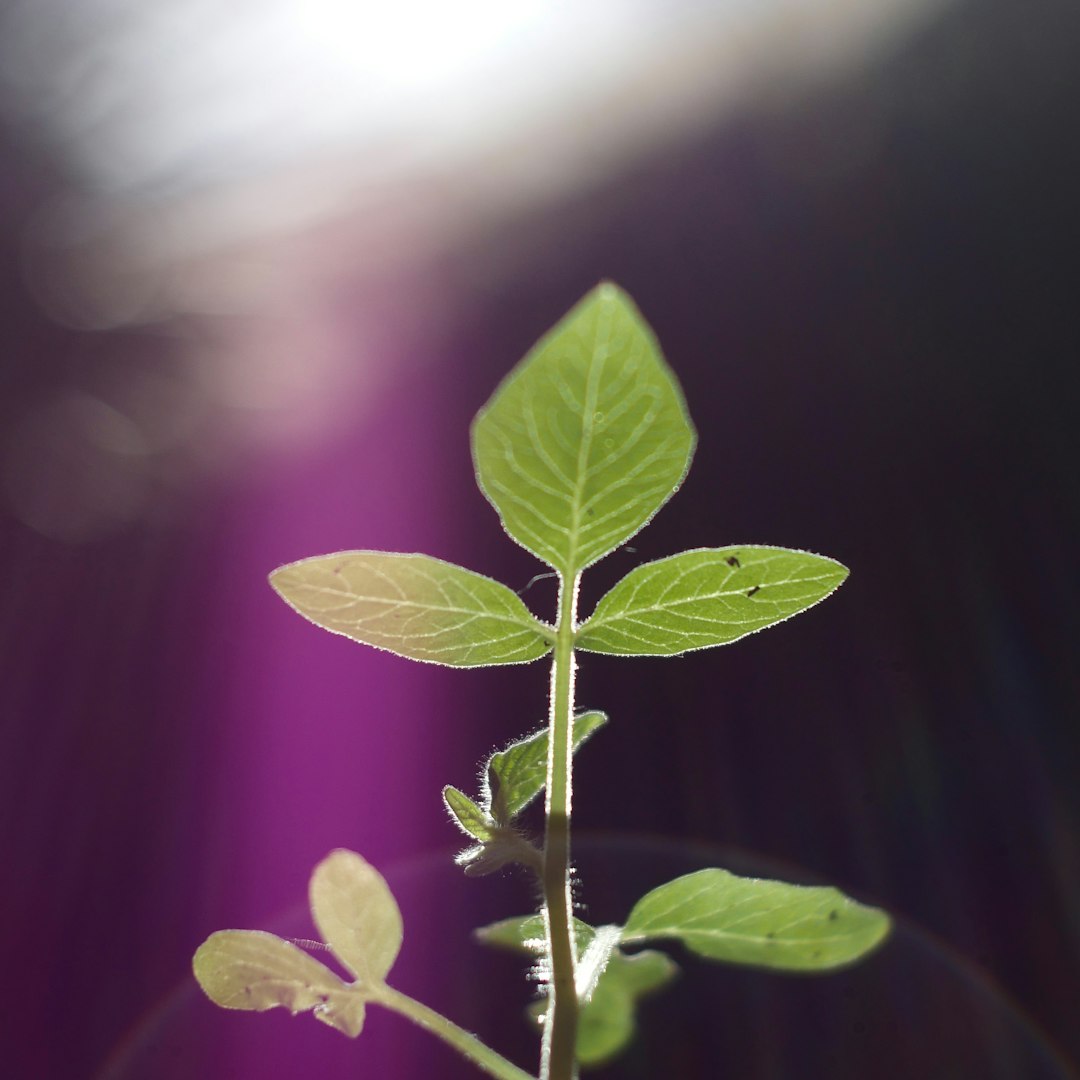
Early maturing, large, flat-round green fruits. Use in salsa or Mexican cooking.
Harvest
60d
Days to harvest
Sun
Full sun
Zones
1–11
USDA hardiness
Height
3-4 feet
Planting Timeline
Showing dates for Toma Verde in USDA Zone 7
All Zone 7 tomato →Zone Map
Click a state to update dates
Toma Verde · Zones 1–11
Growing Details
Succession Planting
Tomatillos keep producing on the same plant once they get going, so there's no cadence to plan the way you would with radishes or lettuce. One or two transplants set out in late April to early May in zone 7 will carry you through the July–September harvest window without a second sowing. If you lose a plant early to fusarium or bacterial wilt, a backup started indoors in March can fill the gap — but that's insurance, not succession.
The one timing detail worth planning around: tomatillos are largely self-incompatible and need two plants to set fruit reliably. A single plant producing zero husks is a very common first-year mistake. Put both plants in the ground at the same time so they flower together.
Complete Growing Guide
Light: Full sun (6 or more hours of direct sunlight a day). Soil: High Organic Matter, Loam (Silt), Sand. Drainage: Good Drainage, Moist. Height: 3 ft. 0 in. - 4 ft. 0 in.. Spread: 3 ft. 0 in. - 4 ft. 0 in.. Spacing: 3 feet-6 feet. Growth rate: Rapid. Maintenance: Low, Medium.
Harvesting
Round, 1 to 2 inch green or purple berries enclosed in a papery husk have a citrus flavor. They are ripe when they are still firm but fill the husk. Green varieties will turn a yellow green when ripe and purple varieties will turn from green to purple. The papery lantern shaped husks are tan when mature and quite showy.
Color: Gold/Yellow, Green, Purple/Lavender. Type: Berry. Length: 1-3 inches. Width: 1-3 inches.
Garden value: Edible, Showy
Harvest time: Fall, Summer
Edibility: Mature fruits are edible and can be eaten whole with no need to peel core or seed. They can be used for salsa, soups, stews, and meat dishes.
Storage & Preservation
Store freshly harvested Toma Verde fruits at 55–65°F with 85–90% humidity in a single layer, ideally in a perforated cardboard box or mesh bin to allow air circulation. Whole fruits will keep for 2–3 weeks under these conditions; they'll continue ripening and develop deeper color and sweetness during storage. For longer preservation, freezing works well—simply blanch whole fruits for 3–4 minutes, cool in ice water, then freeze in freezer bags for up to 8 months. Canning as salsa verde is traditional; acidify with lime or vinegar and process pints at 15 PSI for 15 minutes. Drying is also effective; halve fruits, place cut-side down on trays, and dry at 135°F until leathery. Toma Verdes hold their firm texture better than regular tomatoes when frozen whole, making them ideal for winter salsa recipes without the mushiness that plagues other varieties.
History & Origin
Origin: Mexico and Central America
Advantages
- +Attracts: Bees
- +Edible: Mature fruits are edible and can be eaten whole with no need to peel core or seed. They can be used for salsa, soups, stews, and meat dishes.
- +Fast-growing
- +Low maintenance
Considerations
- -Toxic (Flowers, Fruits, Leaves, Stems): High severity
Companion Plants
Basil and marigolds are the two companions worth planting close — basil's volatile oils appear to interfere with whitefly host-finding, and French marigolds (Tagetes patula) release alpha-terthienyl from their roots, which suppresses root-knot nematodes in the top 6 inches of soil. In our zone 7 Georgia gardens, nematode pressure is common enough in sandy or previously worked beds that a solid marigold border is worth the row space. Nasturtiums work as a trap crop for aphids, pulling them off the tomatillos onto expendable plants you can yank and discard. Keep fennel away from this bed entirely — it produces anethole, a compound allelopathic to most nightshades, and corn belongs on the other side of the garden because it shares Helicoverpa zea (corn earworm / tomato fruitworm) with tomatillos, concentrating that pest right where you don't want it.
Plant Together
Basil
Repels aphids, whiteflies, and hornworms while potentially improving tomato flavor
Marigold
Deters nematodes, aphids, and whiteflies with natural compounds
Carrots
Loosens soil for tomato roots and doesn't compete for nutrients
Parsley
Attracts beneficial insects like hoverflies that prey on tomato pests
Nasturtiums
Acts as trap crop for aphids and cucumber beetles
Chives
Repels aphids and may improve tomato growth and flavor
Lettuce
Provides ground cover and utilizes space efficiently without root competition
Borage
Repels hornworms and attracts pollinators, may enhance tomato flavor
Keep Apart
Black Walnut
Releases juglone toxin that causes tomato wilt and stunted growth
Fennel
Inhibits tomato growth through allelopathic compounds
Corn
Both attract corn earworms/tomato fruitworms, increasing pest pressure
Brassicas
Compete for similar nutrients and may stunt tomato growth when planted nearby
Nutrition Facts
Per 100g serving. % Daily Value based on 2,000 calorie diet. Source: USDA FoodData Central (FDC #321360)
Pests & Disease Resistance
Common Pests
Hornworms, spider mites, whiteflies, aphids
Diseases
Early blight, septoria leaf spot, late blight, fusarium wilt
Troubleshooting Toma Verde
What you'll see, why it happens, and what to do about it.
Lower leaves developing dark brown spots with concentric rings, yellowing around the spots, starting 40–50 days after transplant
Likely Causes
- Early blight (Alternaria solani) — soil-borne fungus that splashes up onto lower foliage during rain or overhead watering
- Overcrowded planting reducing airflow between plants
What to Do
- 1.Strip the affected lower leaves immediately and bag them in the trash — don't compost them
- 2.Lay 3–4 inches of straw mulch around the base of each plant to stop soil splash
- 3.NC State Extension's IPM guidance recommends rotating nightshades out of a bed for at least 3–4 years; for some tomato diseases the rotation period may stretch to 5–7 years
Entire plant wilts suddenly during a hot afternoon and doesn't recover overnight, no obvious stem damage visible
Likely Causes
- Fusarium wilt (Fusarium oxysporum f. sp. lycopersici) — a soil-borne fungus that colonizes the vascular system; cutting the stem near the base will show brown discoloration inside
- Southern bacterial wilt (Ralstonia solanacearum) — look for a slimy, water-soaked ring when you cut the stem cross-section
What to Do
- 1.Dig up and destroy the entire plant including as much root as you can get — do not compost it
- 2.Do not replant nightshades in that spot; the pathogen persists in soil for years, per NC State Extension's disease guidance
- 3.Consider growing next year's tomatillos in containers with fresh potting mix, keeping container soil from contacting native garden soil
Leaves stippled silvery-bronze with tiny moving dots on the undersides; husks papery and undersized in hot, dry stretches
Likely Causes
- Two-spotted spider mite (Tetranychus urticae) — populations explode in dry conditions above 85°F
- Whiteflies (Trialeurodes vaporariorum) can cause similar stippling and leaf yellowing, especially on younger growth
What to Do
- 1.Blast the undersides of leaves hard with water from a hose — knocks mite populations back fast and costs nothing
- 2.For persistent infestations, apply insecticidal soap or neem oil to leaf undersides in the evening; repeat every 5–7 days for 3 applications
- 3.While you're out there checking for mites, scan the same plants for tomato hornworm — the UGA Pest Management Handbook flags it as a concurrent threat on nightshades this time of year, and a single large caterpillar can strip a branch overnight
Frequently Asked Questions
How long does Toma Verde take to grow from seed to harvest?▼
Is Toma Verde good for beginners?▼
Can you grow Toma Verde in containers?▼
What does Toma Verde taste like?▼
When should I plant Toma Verde?▼
Toma Verde vs regular green tomatoes—is there a difference?▼
Zone-by-Zone Planting Calendar
| Zone | Indoor Start | Transplant | Direct Sow | Harvest |
|---|---|---|---|---|
| Zone 1 | May – May | July – August | — | September – August |
| Zone 2 | April – May | June – July | — | September – September |
| Zone 11 | January – January | January – February | — | April – June |
| Zone 12 | January – January | January – February | — | April – June |
| Zone 13 | January – January | January – February | — | April – June |
| Zone 3 | April – April | June – July | — | August – October |
| Zone 4 | March – April | June – June | — | August – October |
| Zone 5 | March – March | May – June | — | July – September |
| Zone 6 | March – March | May – June | — | July – September |
| Zone 7 | February – March | April – May | — | July – September |
| Zone 8 | February – February | April – May | — | June – August |
| Zone 9 | January – January | March – April | — | May – July |
| Zone 10 | January – January | February – March | — | May – July |
Growing Guides from Wind River Greens
Sources & References
External authority sources used in compiling this guide.
- BreederJohnny's Selected Seeds
- USDAUSDA FoodData Central
See the Methodology page for how this data is sourced, what's AI-assisted, and known limitations.