Sweet Million
Solanum lycopersicum 'Sweet Million'
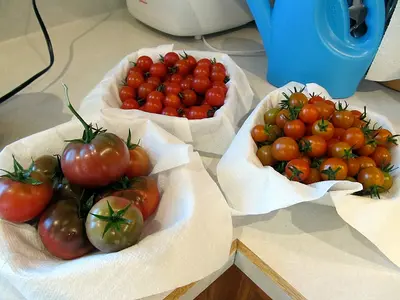
An incredibly productive cherry tomato hybrid that produces long clusters of perfectly sweet, crack-resistant fruits throughout the growing season. Sweet Million combines the addictive flavor of the best cherry tomatoes with impressive disease resistance, making it a must-have variety for gardeners who love snacking straight from the vine.
Harvest
65-70d
Days to harvest
Sun
Full sun
Zones
10–11
USDA hardiness
Height
1-10 feet
Planting Timeline
Showing dates for Sweet Million in USDA Zone 7
All Zone 7 tomato →Zone Map
Click a state to update dates
Sweet Million · Zones 10–11
Growing Details
Succession Planting
Sweet Million is indeterminate — it keeps setting fruit until frost takes it down, so there's no succession schedule the way there is with lettuce or beans. One planting per bed, per season is the right call. Start seeds indoors in February or March, transplant out in April or May once nighttime lows are holding above 50°F, and you'll be picking from July through first frost.
If you want a cleaner fall run, start a second set of transplants in 4-inch pots around late May and grow them on. By August, your first planting will likely be showing significant early blight (Alternaria solani) and heat stress. Swapping in the fresh transplants at that point gets you another 6–8 weeks of clean production without waiting for a hard replant. It's not true succession, but it solves the same problem.
Complete Growing Guide
Sweet Million thrives when started indoors 6-8 weeks before your last spring frost date. Sow seeds ¼ inch deep in seed-starting mix, keeping soil consistently moist until germination occurs in 5-10 days. Transplant seedlings into individual pots once they develop true leaves, and maintain warm conditions around 70°F. Harden off seedlings gradually over 7-10 days before moving them outside after all frost danger has passed. In warmer climates (zones 9-10), you can direct sow seeds directly into the garden 2 weeks after your last frost, though starting indoors gives you a head start on the 65-70 day harvest window.
Space Sweet Million plants 24-36 inches apart in full sun with rich, well-draining soil amended with compost or aged manure. Work in balanced fertilizer or bone meal before planting, as this variety will reward excellent soil preparation with abundant fruit production. These indeterminate vines grow 6-10 feet tall, so plan for sturdy stakes, cages, or trellising systems when spacing your garden.
Water deeply and consistently, providing 1-2 inches per week depending on rainfall and temperatures. This hybrid's crack-resistant fruit is partly due to steady moisture, so avoid the feast-or-famine watering patterns that cause splitting in other varieties. Feed every 2-3 weeks with balanced tomato fertilizer once flowering begins, then switch to lower-nitrogen formulas to encourage fruit rather than excessive foliage. Watch carefully for blossom-end rot, a calcium deficiency disorder that appears as dark sunken spots on the fruit bottom—maintain even soil moisture and consider adding crushed eggshells to prevent this problem.
Sweet Million's disease resistance is a major asset, but stay vigilant for early blight, septoria leaf spot, and late blight in humid conditions. Remove lower leaves as the plant grows to improve air circulation and reduce fungal pressure. Scout regularly for tomato hornworms, which can defoliate plants quickly, and crush eggs or hand-pick caterpillars. Aphids and spider mites appear during hot, dry weather; spray with neem oil or insecticidal soap if populations spike.
Prune suckers (shoots between the main stem and branches) on Sweet Million to direct energy into fruit production rather than excessive vegetative growth. A single or double-stem pruning system works well for indeterminate varieties. Trellising vertically saves garden space while improving air circulation around the prolific fruit clusters.
One critical mistake gardeners make: they stop fertilizing mid-summer. Sweet Million produces heavily throughout the season and will exhaust soil nutrients by July. Continue feeding every two weeks through September to maintain consistent yields of those addictively sweet clusters. This sustained nutrition is what separates a mediocre season from one where you'll be harvesting handfuls of perfectly sweet fruit until frost.
Harvesting
Sweet Million cherry tomatoes reach peak ripeness when they display a deep, glossy red color and measure approximately three-quarters to one inch in diameter, with a slight give when gently squeezed between your fingers. Unlike single-harvest varieties, Sweet Million produces fruit continuously throughout the season, so pick ripe tomatoes every two to three days rather than all at once to encourage sustained production. For optimal flavor development, harvest in the early morning when fruits are coolest and most firm, as this concentrates their signature sweet taste and reduces cracking from temperature fluctuations during warmer parts of the day.
The fruits are smooth, shiny, glossy, and are classified as berries. The size, shape, and color will vary depending on the variety or cultivar. The color of the fruits may be red, yellow, orange, green, purple, or pink. The fruits may contain over 100 yellow to light brown seeds.
Color: Gold/Yellow, Green, Orange, Pink, Purple/Lavender, Red/Burgundy, Variegated. Type: Berry. Length: > 3 inches. Width: > 3 inches.
Garden value: Edible, Showy
Harvest time: Fall, Summer
Edibility: The fruits or berries of the tomato are edible. They may be eaten raw, cooked, dried, or processed. They are a rich source of Vitamin A, Vitamin C, folic acid, and antioxidants. Lycopene is an antioxidant that gives the tomato its rich red color. Many plants will drop fruit when ripe or the fruit will come off easily. Tomatoes will continue to ripen once picked. Store them at room temperature.
Storage & Preservation
Store freshly harvested Sweet Million tomatoes at room temperature (68–72°F) away from direct sunlight until fully ripe, which develops their signature sweetness. Once ripe, refrigerate at 50–55°F with moderate humidity (70–80%) in a breathable container or paper bag to extend shelf life to 5–7 days; avoid airtight plastic, which traps ethylene and accelerates spoilage. For preservation, these tomatoes excel at whole freezing—simply wash, dry, and freeze on trays before bagging, perfect for off-season cooking. They're also ideal for water-bath canning whole or as sauce, taking advantage of their low acidity balanced with natural sugars. Oven drying at 200°F concentrates their sweetness into intensely flavored chips. Because of their small size and thin skin, Sweet Million tomatoes freeze and thaw remarkably well without becoming mushy, making them superior to larger varieties for this method.
History & Origin
Sweet Million emerged in the 1980s as a hybrid development by Enza Zaden, a Dutch seed company renowned for tomato breeding. The variety represents a deliberate cross designed to combine the exceptional sweetness and productivity of cherry tomato genetics with enhanced disease resistance—particularly targeting resistance to common tomato pathogens. While detailed parentage records remain proprietary to the seed company, Sweet Million belongs to a broader lineage of improved cherry tomato hybrids developed during that era when commercial breeding programs increasingly prioritized crack resistance and flavor alongside horticultural performance. The variety quickly became a commercial success and remains a standard in both home gardens and professional production settings.
Origin: Peru
Advantages
- +Produces incredibly long clusters of crack-resistant cherry tomatoes reliably
- +Intensely sweet flavor with perfect sugar-acid balance makes snacking addictive
- +Matures in just 65-70 days, providing quick harvests from transplant
- +Easy to grow hybrid variety suitable for beginning and experienced gardeners
- +Impressive disease resistance reduces fungicide applications compared to other cherries
Considerations
- -Vulnerable to early blight, septoria leaf spot, and late blight issues
- -Attracts tomato hornworms and spider mites requiring regular pest monitoring
- -Requires consistent watering to prevent fruit cracking despite crack-resistant breeding
Companion Plants
Basil is the pairing most people reach for first, and the honest version of why: the volatile oils — linalool and eugenol specifically — do appear to disorient aphids and thrips that locate hosts by scent, but the effect is modest. Tuck it in at 12–18 inches away and you get a usable pest deterrent plus something to harvest. Marigolds (Tagetes patula, the French type, not the big African ones) do more measurable work: their roots release alpha-terthienyl, a compound that suppresses root-knot nematodes in the surrounding soil. NC State Extension identifies nematode pressure as a serious wilting concern for tomatoes, so a border of French marigolds pulls real weight. Nasturtiums are worth including as a trap crop — aphids pile onto them preferentially, giving you an early warning and a sacrificial target you can pull and bag before populations jump to the tomatoes.
Carrots and lettuce fill different roles. Carrots loosen the soil around tomato roots without competing hard for the same nutrients, and lettuce occupies the shaded low ground where weeds would otherwise take hold — it bolts and comes out around the time the tomato canopy closes in anyway. Chives and parsley draw hoverflies and lacewings, both of which feed on aphid and spider mite populations.
Fennel is the companion to keep at the far end of the garden. It releases allelopathic compounds from its roots that stunt a wide range of vegetables, and tomatoes are among the more sensitive. Brassicas are a different problem — they compete aggressively for calcium, and tomatoes need steady calcium uptake to avoid blossom-end rot. Planting them side by side sets up a deficiency that shows up as dark, leathery patches on the bottom of your fruit.
Plant Together
Basil
Repels aphids and whiteflies, may improve flavor
Marigold
Deters nematodes and aphids with natural compounds
Parsley
Attracts beneficial insects like hoverflies and parasitic wasps
Carrots
Help break up soil and don't compete for nutrients
Nasturtium
Acts as trap crop for aphids and cucumber beetles
Chives
Repel aphids and may improve tomato flavor
Borage
Attracts pollinators and may repel hornworms
Lettuce
Benefits from tomato shade and doesn't compete for deep nutrients
Keep Apart
Black Walnut
Produces juglone which is toxic to tomatoes
Fennel
Inhibits growth of most garden plants through allelopathy
Brassicas
Can stunt tomato growth and attract pests that also damage tomatoes
Corn
Both attract corn earworm/tomato fruitworm, increasing pest pressure
Nutrition Facts
Per 100g serving. % Daily Value based on 2,000 calorie diet. Source: USDA FoodData Central (FDC #321360)
Pests & Disease Resistance
Resistance
Resistant to Fusarium wilt races 1 & 2, Tobacco Mosaic Virus, and Verticillium wilt (FNT)
Common Pests
Tomato hornworm, aphids, spider mites
Diseases
Early blight, septoria leaf spot, late blight in humid conditions
Troubleshooting Sweet Million
What you'll see, why it happens, and what to do about it.
Lower leaves developing dark brown bullseye-patterned spots, starting around day 40–50 after transplant, often after a stretch of wet weather
Likely Causes
- Early blight (Alternaria solani) — a soil-borne fungus that splashes up onto foliage during rain or overhead watering
- Crowded canopy blocking airflow between plants
What to Do
- 1.Strip the affected lower leaves immediately and bag them for the trash — don't compost them
- 2.Lay 3–4 inches of straw mulch around the base to stop soil splash
- 3.Per NC State Extension's IPM guidance, rotate tomatoes out of this bed for at least 3–4 years; if you've had persistent early blight, 5–7 years is more realistic
Small, circular spots with white or gray centers and dark borders scattered across the foliage mid-season, leaves eventually yellowing and dropping
Likely Causes
- Septoria leaf spot (Septoria lycopersici) — a fungal disease that spreads fast in warm, wet conditions and works its way up the plant from the bottom
What to Do
- 1.Remove and dispose of spotted leaves as soon as you see them — don't let them fall and sit on the soil
- 2.Water at the base, not overhead; drip irrigation cuts infection rates significantly
- 3.Apply a copper-based fungicide on a 7–10 day schedule once you've seen active spots, following label rates
Large sections of foliage turning gray-green and collapsing quickly — sometimes overnight — with water-soaked lesions on fruit
Likely Causes
- Late blight (Phytophthora infestans) — NC State Extension flags this as a highly destructive disease it actively monitors, with timing that varies year to year
- Prolonged cool, wet nights (below 65°F) combined with warm days create ideal conditions
What to Do
- 1.Remove and bag affected plant material immediately — do not compost it
- 2.If late blight is confirmed in your area, apply a protectant fungicide (chlorothalonil or copper) preventively on remaining plants before symptoms spread
- 3.In future seasons, check NC State's Plant Disease and Insect Clinic (PDIC) reports to know when late blight is moving through your region
Clusters of small soft-bodied insects on new growth and stem tips, leaves curling downward or developing a sticky residue
Likely Causes
- Aphids — commonly green peach aphid (Myzus persicae) or potato aphid (Macrosiphum euphorbiae); they colonize fast and the honeydew they excrete invites sooty mold
- Absence of predatory insects due to bare, monoculture plantings nearby
What to Do
- 1.Knock aphids off with a strong stream of water from a hose — do this in the morning so foliage dries before evening
- 2.Plant flowering parsley or chives within 2–3 feet to draw in parasitic wasps (Aphidius spp.) that lay eggs inside aphid colonies
- 3.If the population is heavy, a neem oil or insecticidal soap spray at dusk (to avoid harming pollinators) will knock numbers back within 48 hours
Frequently Asked Questions
How long does Sweet Million tomato take to grow?▼
Can you grow Sweet Million tomatoes in containers?▼
Is Sweet Million good for beginners?▼
What does Sweet Million taste like?▼
When should I plant Sweet Million tomatoes?▼
Sweet Million vs Surefire Red tomatoes - what's the difference?▼
Zone-by-Zone Planting Calendar
| Zone | Indoor Start | Transplant | Direct Sow | Harvest |
|---|---|---|---|---|
| Zone 3 | April – April | June – July | — | August – October |
| Zone 4 | March – April | June – June | — | August – October |
| Zone 5 | March – March | May – June | — | August – October |
| Zone 6 | March – March | May – June | — | July – September |
| Zone 7 | February – March | April – May | — | July – September |
| Zone 8 | February – February | April – May | — | June – August |
| Zone 9 | January – January | March – April | — | May – July |
| Zone 10 | January – January | February – March | — | May – July |
| Zone 1 | May – May | July – August | — | September – August |
| Zone 2 | April – May | June – July | — | September – September |
| Zone 11 | January – January | January – February | — | April – June |
| Zone 12 | January – January | January – February | — | April – June |
| Zone 13 | January – January | January – February | — | April – June |
Growing Guides from Wind River Greens
Sources & References
External authority sources used in compiling this guide.
See the Methodology page for how this data is sourced, what's AI-assisted, and known limitations.