Surefire Red
Solanum lycopersicum 'Surefire Red'
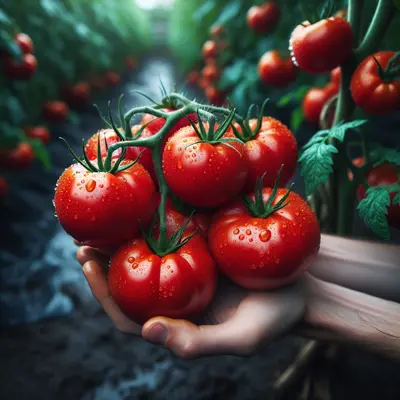
An All-America Selections winner bred specifically for cool-weather performance and short growing seasons, producing ripe tomatoes even when temperatures dip below ideal ranges. This compact hybrid sets fruit reliably in conditions that cause other varieties to drop blossoms, making it perfect for northern gardens and unpredictable climates. Surefire Red delivers dependable harvests when gardening success seems uncertain.
Harvest
50-65d
Days to harvest
Sun
Full sun
Zones
10–11
USDA hardiness
Height
1-10 feet
Planting Timeline
Showing dates for Surefire Red in USDA Zone 7
All Zone 7 tomato →Zone Map
Click a state to update dates
Surefire Red · Zones 10–11
Growing Details
Succession Planting
Surefire Red is an indeterminate hybrid that keeps setting fruit as long as conditions allow, so you don't succession-plant it the way you would lettuce or radishes. One planting per bed per season is the standard approach — put transplants out in late April to early May in zone 7, after your last frost date, and the plants will carry you through until heat or disease shuts them down in August.
If you want to extend your tomato season rather than stagger plantings, the better move is to start a second round of transplants indoors in late June for a fall crop. Get them in the ground by late July so they have time to size up before nighttime temperatures drop below 55°F, which stalls fruit development. That second planting often outperforms the first — the worst of the summer disease pressure has passed by the time those fruits are sizing up in September.
Complete Growing Guide
Because Surefire Red sets fruit reliably at temperatures below 55°F, you can plant it earlier than standard tomato varieties and expect harvests even during cool snaps that cause blossom drop in less hardy cultivars. This makes it ideal for northern regions and short-season climates where spring frosts and early autumn chills would typically compromise yields. Plant in full sun with consistent moisture, as stress from dry soil can still trigger some fruit abortion despite the variety's cold tolerance. While generally disease-resistant, monitor for early blight in humid conditions, which can slow growth on this compact hybrid. The 50-65 day maturity assumes adequate warmth; extend your timeline by 1-2 weeks if temperatures average below 60°F. A practical strategy: succession-plant Surefire Red every two weeks through midsummer to stagger harvests and maximize production before the first frost arrives.
Light: Full sun (6 or more hours of direct sunlight a day). Soil: Clay, High Organic Matter, Loam (Silt), Sand. Soil pH: Acid (<6.0), Neutral (6.0-8.0). Drainage: Good Drainage, Moist. Height: 1 ft. 0 in. - 10 ft. 0 in.. Spread: 1 ft. 0 in. - 4 ft. 0 in.. Spacing: 3 feet-6 feet. Growth rate: Rapid. Maintenance: High. Propagation: Seed. Regions: Coastal, Mountains, Piedmont.
Harvesting
Surefire Red tomatoes reach peak harvest readiness when they display a deep, uniform red color throughout the fruit with no green shoulders, typically measuring 2.5 to 3 inches in diameter and yielding slightly to gentle pressure when cradled in your palm. This variety supports continuous harvesting rather than a single large pick, rewarding regular visits to the garden as new fruits mature in succession throughout the season. For optimal results, harvest in early morning when fruits are coolest and firmest, which preserves their balanced sweetness and mild acidity while minimizing stress on the compact plants that are still producing later into cooler months.
The fruits are smooth, shiny, glossy, and are classified as berries. The size, shape, and color will vary depending on the variety or cultivar. The color of the fruits may be red, yellow, orange, green, purple, or pink. The fruits may contain over 100 yellow to light brown seeds.
Color: Gold/Yellow, Green, Orange, Pink, Purple/Lavender, Red/Burgundy, Variegated. Type: Berry. Length: > 3 inches. Width: > 3 inches.
Garden value: Edible, Showy
Harvest time: Fall, Summer
Edibility: The fruits or berries of the tomato are edible. They may be eaten raw, cooked, dried, or processed. They are a rich source of Vitamin A, Vitamin C, folic acid, and antioxidants. Lycopene is an antioxidant that gives the tomato its rich red color. Many plants will drop fruit when ripe or the fruit will come off easily. Tomatoes will continue to ripen once picked. Store them at room temperature.
Storage & Preservation
Freshly harvested Surefire Red tomatoes keep best at room temperature away from direct sunlight, maintaining their balanced flavor and pleasant sweetness. Store them stem-side down in a single layer on a counter or in a shallow box with good air circulation—refrigeration dulls their taste. You can expect a fresh shelf life of five to seven days for fully ripe tomatoes, longer if picked at the breaker stage and allowed to ripen indoors.
For preservation, freezing works well for this variety: core and freeze whole on a baking sheet, then transfer to freezer bags for soups and sauces where texture isn't critical. Canning as whole tomatoes or sauce is straightforward given their good acid balance. For a lighter touch, consider drying halved tomatoes in a low oven or food dehydrator—their mild acidity and moderate juice content produce excellent dried results perfect for winter cooking. This variety's quick maturity means successive plantings throughout the season, so you can enjoy fresh eating early while later harvests go toward preservation.
History & Origin
An All-America Selections winner developed as a modern hybrid for cool-climate gardening, Surefire Red emerges from decades of tomato breeding focused on cold-tolerance and consistent fruit-set in challenging seasons. While detailed breeder attribution and specific introduction year remain difficult to confirm in readily available sources, the variety reflects the legacy of university breeding programs and commercial seed companies that have long prioritized northern adaptation. Its designation as an AAS winner confirms rigorous evaluation against standard performance criteria, placing it within a tradition of documented, tested cultivars rather than obscure heirloom lines. The breeding emphasis on blossom-set reliability in suboptimal temperatures represents a practical response to regional growing constraints across northern North America.
Origin: Peru
Advantages
- +Excellent choice for cool climates and short growing seasons
- +All-America Selections winner with proven reliable fruit set
- +Compact plant size suits small spaces and containers
- +Produces ripe tomatoes when other varieties drop blossoms
- +Good balanced flavor with pleasant sweetness makes fresh eating enjoyable
Considerations
- -Susceptible to early blight, late blight, and bacterial spot
- -Vulnerable to multiple pests including aphids, flea beetles, and whiteflies
- -Limited disease resistance requires preventative fungicide applications
Companion Plants
Basil is worth planting alongside Surefire Red every season — dense plantings do seem to slow down aphids and whiteflies looking for a landing spot, and you'll use it in the kitchen before you can use up the tomatoes anyway. French marigolds (Tagetes patula) pull more real weight: their roots release thiophenes that suppress root-knot nematodes (Meloidogyne spp.) in the surrounding soil, and given how sensitive tomatoes are to nematode damage, that's not a trivial benefit. Nasturtiums at the bed edges act as a trap crop for aphids — the pests pile onto those first and mostly leave the tomatoes alone.
Fennel is the companion to physically keep out of the bed. Its roots release allelopathic compounds that stunt tomato growth — in our zone 7 Georgia garden, fennel can get a foothold quietly before you've dealt with it. Black walnut is the other hard no: juglone from its root zone persists in the soil long after the tree is gone and will kill tomatoes outright. If there's a walnut anywhere on your property, check the drip-line radius before you site your beds.
Plant Together
Basil
Repels aphids and whiteflies, may improve flavor
Marigold
Deters nematodes and aphids with natural compounds
Parsley
Attracts beneficial insects like hoverflies and parasitic wasps
Chives
Repels aphids and may improve tomato flavor
Nasturtium
Acts as trap crop for aphids and cucumber beetles
Carrots
Help break up soil around tomato roots and don't compete for nutrients
Borage
Repels tomato hornworms and attracts pollinators
Oregano
Repels various pests and may enhance tomato growth
Keep Apart
Black Walnut
Produces juglone toxin that causes wilting and stunted growth
Fennel
Inhibits growth of most garden plants through allelopathy
Corn
Both attract corn earworm which also damages tomatoes
Brassicas
Stunts tomato growth and competes for similar nutrients
Nutrition Facts
Per 100g serving. % Daily Value based on 2,000 calorie diet. Source: USDA FoodData Central (FDC #321360)
Pests & Disease Resistance
Resistance
Good resistance to verticillium wilt, fusarium wilt, and tobacco mosaic virus (VFT)
Common Pests
Aphids, cutworms, flea beetles, whiteflies
Diseases
Early blight, late blight, bacterial spot
Troubleshooting Surefire Red
What you'll see, why it happens, and what to do about it.
Large gray-green patches of foliage collapsing fast — sometimes overnight — with dark, water-soaked spots on fruit
Likely Causes
- Late blight (Phytophthora infestans) — favored by cool, wet nights above 50°F and warm days; spreads with devastating speed
- Overcrowded planting blocking airflow between plants spaced less than 18 inches
What to Do
- 1.Pull and bag affected plants immediately — do not compost them; late blight spores spread through the air
- 2.Apply a copper-based fungicide to neighboring plants as a protective measure, following label rates
- 3.NC State Extension notes late blight timing in the Southeast varies year to year — check the PDIC monitoring reports in spring so you're not caught off guard
Plants wilting during the day even with adequate soil moisture, with no obvious fungal growth on stems or leaves
Likely Causes
- Southern bacterial wilt (Ralstonia solanacearum) — soilborne, spreads through infested tools and soil movement
- Root-knot nematodes (Meloidogyne spp.) damaging roots and disrupting water uptake
- Early-stage southern stem blight (Sclerotium rolfsii) before visible white mycelium appears at the soil line
What to Do
- 1.Dig up a suspect plant and slice the stem near the base — bacterial wilt produces a slimy, thread-pulling ooze when the cut end is dipped in water
- 2.Remove and destroy affected plants including the roots; do not leave them in the bed
- 3.NC State Extension recommends rotating tomatoes out of an affected bed for five to seven years; growing in containers with bagged soil kept away from native soil is a practical alternative if your garden space is limited
Frequently Asked Questions
How long does Surefire Red tomato take to grow?▼
Is Surefire Red good for beginners?▼
Can you grow Surefire Red in containers?▼
What does Surefire Red taste like?▼
When should I plant Surefire Red tomatoes?▼
How cold can Surefire Red tomatoes tolerate?▼
Zone-by-Zone Planting Calendar
| Zone | Indoor Start | Transplant | Direct Sow | Harvest |
|---|---|---|---|---|
| Zone 1 | May – May | July – August | — | September – August |
| Zone 2 | April – May | June – July | — | August – September |
| Zone 11 | January – January | January – February | — | March – May |
| Zone 12 | January – January | January – February | — | March – May |
| Zone 13 | January – January | January – February | — | March – May |
| Zone 3 | April – April | June – July | — | August – October |
| Zone 4 | March – April | June – June | — | August – October |
| Zone 5 | March – March | May – June | — | July – September |
| Zone 6 | March – March | May – June | — | July – September |
| Zone 7 | February – March | April – May | — | June – August |
| Zone 8 | February – February | April – May | — | June – August |
| Zone 9 | January – January | March – April | — | May – July |
| Zone 10 | January – January | February – March | — | April – June |
Growing Guides from Wind River Greens
Sources & References
External authority sources used in compiling this guide.
See the Methodology page for how this data is sourced, what's AI-assisted, and known limitations.