Super Sweet 100
Solanum lycopersicum 'Super Sweet 100'
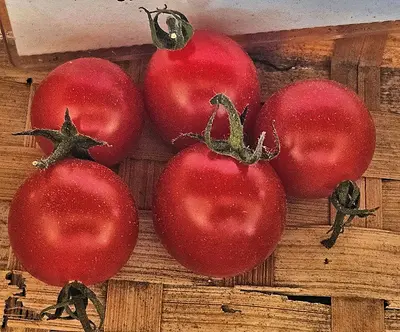
The ultimate cherry tomato for prolific harvests and incredible sweetness that kids and adults absolutely love. These vigorous indeterminate plants produce massive clusters of bright red, bite-sized tomatoes that are perfect for snacking straight from the vine. A reliable performer that keeps producing sweet, crack-resistant fruit all season long until first frost.
Harvest
65-70d
Days to harvest
Sun
Full sun
Zones
10–11
USDA hardiness
Height
1-10 feet
Planting Timeline
Showing dates for Super Sweet 100 in USDA Zone 7
All Zone 7 tomato →Zone Map
Click a state to update dates
Super Sweet 100 · Zones 10–11
Growing Details
Complete Growing Guide
Indeterminate Super Sweet 100 plants require robust support systems and regular pruning to manage their vigorous, sprawling growth that can exceed 8 feet in ideal conditions. Plant seedlings after all frost danger passes, as these tomatoes thrive in warm soil and air temperatures above 70°F; they'll sulk and set fewer fruits in cool springs. Their prolific flowering habit means consistent watering is critical—irregular moisture causes the crack-resistant skin to fail despite the variety's reputation, so drip irrigation works best. Watch for spider mites in hot, dry climates, as the dense foliage creates ideal conditions for infestations. These plants are heavy feeders that benefit from monthly fertilizer applications once flowering begins. Prune suckers aggressively on indeterminate types to improve airflow and reduce disease pressure, especially in humid regions prone to early blight, and never work among wet foliage.
Light: Full sun (6 or more hours of direct sunlight a day). Soil: Clay, High Organic Matter, Loam (Silt), Sand. Soil pH: Acid (<6.0), Neutral (6.0-8.0). Drainage: Good Drainage, Moist. Height: 1 ft. 0 in. - 10 ft. 0 in.. Spread: 1 ft. 0 in. - 4 ft. 0 in.. Spacing: 3 feet-6 feet. Growth rate: Rapid. Maintenance: High. Propagation: Seed. Regions: Coastal, Mountains, Piedmont.
Harvesting
Harvest Super Sweet 100 tomatoes when they reach their characteristic bright red color and achieve a diameter of about three-quarters of an inch, feeling slightly soft to gentle pressure. These cherry tomatoes are ready to pick when they detach easily from the stem with minimal resistance, indicating peak sweetness and crack resistance. Unlike single-harvest varieties, Super Sweet 100 thrives on continuous picking throughout the season, which actually encourages the plant to produce more fruit rather than redirect energy to ripening. For optimal flavor development, pick in the early morning after dew has dried but before afternoon heat peaks, as this timing preserves the tomatoes' natural sweetness and extends shelf life.
The fruits are smooth, shiny, glossy, and are classified as berries. The size, shape, and color will vary depending on the variety or cultivar. The color of the fruits may be red, yellow, orange, green, purple, or pink. The fruits may contain over 100 yellow to light brown seeds.
Color: Gold/Yellow, Green, Orange, Pink, Purple/Lavender, Red/Burgundy, Variegated. Type: Berry. Length: > 3 inches. Width: > 3 inches.
Garden value: Edible, Showy
Harvest time: Fall, Summer
Edibility: The fruits or berries of the tomato are edible. They may be eaten raw, cooked, dried, or processed. They are a rich source of Vitamin A, Vitamin C, folic acid, and antioxidants. Lycopene is an antioxidant that gives the tomato its rich red color. Many plants will drop fruit when ripe or the fruit will come off easily. Tomatoes will continue to ripen once picked. Store them at room temperature.
Storage & Preservation
Store freshly harvested Super Sweet 100 tomatoes at room temperature (68–72°F) away from direct sunlight to preserve their exceptional sweetness and flavor complexity. Keep them in a single layer in a breathable container or basket rather than sealed plastic, allowing air circulation to prevent mold. Avoid refrigeration unless fully ripe, as cold temperatures dull their distinctive taste. Fresh tomatoes will keep 5–7 days at room temperature, slightly longer if slightly underripe.
For preservation, whole freezing works beautifully with this variety—simply wash, dry completely, and freeze on a tray before transferring to freezer bags. The small size makes them ideal for whole-tomato canning using a hot water bath method, perfect for creating jewel-like preserves. Sun-drying concentrates their natural sugars into intensely sweet nuggets, though it requires patience due to their high water content. Fermenting whole or halved tomatoes in brine creates a tangy condiment that complements their inherent sweetness. Their thin skins slip off easily after brief blanching, simplifying any preservation method requiring skinless fruit.
History & Origin
The Super Sweet 100 cherry tomato emerged in the 1980s as a product of the commercial seed industry's drive to develop high-yielding, disease-resistant cultivars for home gardeners. While specific breeder attribution remains unclear in widely available documentation, the variety represents the culmination of decades of cherry tomato improvement, building on earlier indeterminate types like Sweet 100. The breeding program prioritized prolific fruiting, consistent sweetness, and crack resistance—traits achieved through selection and likely hybridization. Super Sweet 100 became a commercial success through major seed companies, establishing itself as a standard in home vegetable gardens where its vigorous growth habit and extended fruiting period continue to define modern cherry tomato breeding goals.
Origin: Peru
Advantages
- +Exceptionally sweet flavor makes Super Sweet 100 irresistible to children and adults alike
- +Prolific indeterminate vines produce massive clusters of bite-sized tomatoes continuously until frost
- +Crack-resistant fruit stays firm and perfect even during heavy rains or inconsistent watering
- +Ready to harvest in just 65-70 days, providing fast gratification for impatient gardeners
- +Vigorous growth habit ensures reliable production even in challenging growing conditions
Considerations
- -Highly susceptible to both early and late blight, requiring vigilant disease management and prevention
- -Indeterminate growth requires consistent pruning, staking, and tying for manageable plant size and airflow
- -Vulnerable to multiple pests including hornworms, aphids, whiteflies, and spider mites throughout season
- -Small cherry tomatoes mean spending significant time harvesting many individual fruits versus larger varieties
Companion Plants
Basil is the most common tomato pairing you'll see recommended, and the honest reason to do it is that the volatile oils — linalool in particular — do seem to slow aphid colonization on dense indeterminate vines like Super Sweet 100, which can get tangled enough that you won't spot an aphid outbreak until it's well established. French marigold (Tagetes patula) earns its spot as a border planting because its roots produce alpha-terthienyl, a compound that suppresses soil nematodes — a real concern for any tomato in ground that hasn't been rotated in a few years. Carrots and lettuce fill gaps under the trellis without pulling from the same root zone or competing for canopy light.
Fennel is allelopathic to most vegetables and will stunt tomatoes planted within a foot or two of it — don't let it volunteer near this bed. Brassicas compete hard for similar soil nutrients and host aphid populations that migrate readily onto tomatoes once the brassica crop starts to decline. Black walnut is the most serious problem on this list: it produces juglone throughout its root zone, and Solanaceae are among the most sensitive families — wilting and plant death can happen even in soil where walnut roots ran years earlier.
Plant Together
Basil
Repels aphids, whiteflies, and hornworms while potentially improving tomato flavor
Marigold
Deters nematodes, aphids, and whiteflies with natural compounds
Carrots
Helps break up soil for tomato roots and doesn't compete for nutrients
Parsley
Attracts beneficial insects like hoverflies that prey on tomato pests
Chives
Repels aphids and may help prevent fungal diseases
Nasturtium
Acts as trap crop for aphids and cucumber beetles, draws pests away
Oregano
Repels various insects and may enhance tomato growth through root interactions
Lettuce
Provides ground cover and utilizes space efficiently without nutrient competition
Keep Apart
Black Walnut
Releases juglone toxin that causes tomato wilt and stunted growth
Fennel
Inhibits tomato growth through allelopathic compounds and attracts harmful insects
Brassicas
Compete for similar nutrients and may stunt tomato growth when planted nearby
Nutrition Facts
Per 100g serving. % Daily Value based on 2,000 calorie diet. Source: USDA FoodData Central (FDC #321360)
Pests & Disease Resistance
Resistance
Good crack resistance, moderate tolerance to common tomato diseases
Common Pests
Tomato hornworm, aphids, whiteflies, spider mites
Diseases
Early blight, late blight, fusarium wilt, tobacco mosaic virus
Troubleshooting Super Sweet 100
What you'll see, why it happens, and what to do about it.
Flattened, tan or brown leathery patch on the blossom end of fruit — often shows up on the first cluster
Likely Causes
- Blossom end rot — calcium deficiency in the developing fruit, triggered by inconsistent watering rather than absent calcium in the soil
- Irregular irrigation causing calcium to be unavailable even when it's present in the soil
What to Do
- 1.Water on a consistent schedule — Super Sweet 100 needs steady, even moisture and doesn't forgive drought-then-flood cycles
- 2.Mulch heavily with straw to hold soil moisture between waterings
- 3.Check soil pH; calcium uptake drops outside the 6.0–6.8 range, so test and amend before writing this off as a watering problem
Large portions of foliage turning gray-green and collapsing quickly — sometimes within a few days — with dark, water-soaked spots on fruit
Likely Causes
- Late blight (Phytophthora infestans) — airborne pathogen that moves fast in cool, wet weather
- Early blight (Alternaria solani) can look similar early on but progresses slower and shows distinct bullseye rings on older leaves
What to Do
- 1.Pull and bag affected plants immediately — do not compost them; Phytophthora infestans spreads to neighboring tomatoes and potatoes within days
- 2.If you catch it early on a few leaves, strip those leaves and apply a copper-based fungicide on a 7-day schedule
- 3.Rotate this bed out of Solanaceae crops for at least 2 seasons; NC State Extension notes late blight timing varies year to year, so scout weekly once nights drop below 65°F and humidity climbs
Frequently Asked Questions
How long does Super Sweet 100 take to grow from seed?▼
Can you grow Super Sweet 100 in containers?▼
Is Super Sweet 100 good for beginners?▼
Super Sweet 100 vs Sweet 100 - what's the difference?▼
When should I plant Super Sweet 100 seeds?▼
Why are my Super Sweet 100 tomatoes cracking?▼
Zone-by-Zone Planting Calendar
| Zone | Indoor Start | Transplant | Direct Sow | Harvest |
|---|---|---|---|---|
| Zone 1 | May – May | July – August | — | September – August |
| Zone 2 | April – May | June – July | — | September – September |
| Zone 11 | January – January | January – February | — | April – June |
| Zone 12 | January – January | January – February | — | April – June |
| Zone 13 | January – January | January – February | — | April – June |
| Zone 3 | April – April | June – July | — | August – October |
| Zone 4 | March – April | June – June | — | August – October |
| Zone 5 | March – March | May – June | — | August – October |
| Zone 6 | March – March | May – June | — | July – September |
| Zone 7 | February – March | April – May | — | July – September |
| Zone 8 | February – February | April – May | — | June – August |
| Zone 9 | January – January | March – April | — | May – July |
| Zone 10 | January – January | February – March | — | May – July |
Growing Guides from Wind River Greens
Sources & References
External authority sources used in compiling this guide.
See the Methodology page for how this data is sourced, what's AI-assisted, and known limitations.