Oxheart
Solanum lycopersicum 'Oxheart'
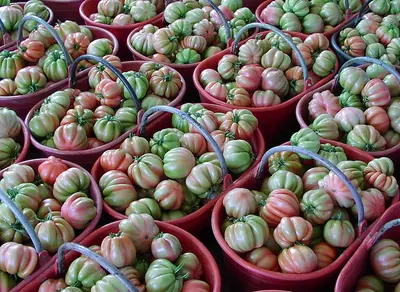
A massive heirloom beefsteak known for producing some of the largest tomatoes in the garden, often exceeding 2 pounds each. These heart-shaped giants have dense, meaty flesh with few seeds and exceptional flavor that makes every slice memorable. A showstopper variety that creates unforgettable sandwiches and impresses neighbors.
Harvest
85-95d
Days to harvest
Sun
Full sun
Zones
10–10
USDA hardiness
Height
1-10 feet
Planting Timeline
Showing dates for Oxheart in USDA Zone 7
All Zone 7 tomato →Zone Map
Click a state to update dates
Oxheart · Zones 10–10
Growing Details
Complete Growing Guide
Oxheart tomatoes demand patience and strategic support due to their enormous fruit size and indeterminate growth habit reaching 10 feet. Plant seedlings 2-3 weeks earlier than standard varieties to maximize the 85-95 day maturity window before frost, since these giants need extended warmth to reach full weight. Provide sturdy determinate cages or heavy-duty stakes, as branches frequently snap under the load of 2-pound fruits. These heirloom beefsteaks show strong susceptibility to late blight and early blight in humid conditions, so ensure excellent air circulation and avoid overhead watering. Prune suckers aggressively and remove lower leaves once plants are established to reduce disease pressure. The practical key to success: prune to 2-3 main stems rather than allowing unlimited branching—this concentrates energy into fewer, larger fruits of superior quality rather than distributing resources across numerous smaller tomatoes.
Light: Full sun (6 or more hours of direct sunlight a day). Soil: Clay, High Organic Matter, Loam (Silt), Sand. Soil pH: Acid (<6.0), Neutral (6.0-8.0). Drainage: Good Drainage, Moist. Height: 1 ft. 0 in. - 10 ft. 0 in.. Spread: 1 ft. 0 in. - 4 ft. 0 in.. Spacing: 3 feet-6 feet. Growth rate: Rapid. Maintenance: High. Propagation: Seed. Regions: Coastal, Mountains, Piedmont.
Harvesting
Oxheart tomatoes reach peak readiness when they develop a deep crimson color throughout—not just the shoulders—and feel slightly soft when gently squeezed, indicating internal gel has fully developed. These massive fruits often weigh 1-2 pounds at maturity, so ensure the vine can support the weight before harvest. Unlike determinate varieties, Oxhearts produce continuously throughout the season, so monitor plants regularly rather than expecting a single flush. For best flavor, harvest in early morning after the dew dries, when sugars peak and the fruit detaches cleanly from the vine with a gentle twist. Leaving fruits on the plant slightly longer than commercial timing intensifies the legendary sweet intensity this cultivar is prized for.
The fruits are smooth, shiny, glossy, and are classified as berries. The size, shape, and color will vary depending on the variety or cultivar. The color of the fruits may be red, yellow, orange, green, purple, or pink. The fruits may contain over 100 yellow to light brown seeds.
Color: Gold/Yellow, Green, Orange, Pink, Purple/Lavender, Red/Burgundy, Variegated. Type: Berry. Length: > 3 inches. Width: > 3 inches.
Garden value: Edible, Showy
Harvest time: Fall, Summer
Edibility: The fruits or berries of the tomato are edible. They may be eaten raw, cooked, dried, or processed. They are a rich source of Vitamin A, Vitamin C, folic acid, and antioxidants. Lycopene is an antioxidant that gives the tomato its rich red color. Many plants will drop fruit when ripe or the fruit will come off easily. Tomatoes will continue to ripen once picked. Store them at room temperature.
Storage & Preservation
Store freshly harvested Oxheart tomatoes at room temperature away from direct sunlight until fully ripe, then move to 55–70°F with 85–90% humidity to extend shelf life to 1–2 weeks. Keep them in a single layer in a breathable container; avoid plastic bags that trap moisture and encourage rot. Do not refrigerate unless fully ripe, as chilling degrades their exceptional flavor.
These large-fruited tomatoes freeze well when halved or diced in freezer bags for winter sauces and soups. For canning, their low acidity requires pressure canning rather than water-bath methods—process pints for 35 minutes at 10 PSI. Whole tomatoes can also be dried in a low oven (200°F for 8–12 hours) or dehydrator. Given their thick, meaty walls and minimal seed cavity, Oxhearts slice cleanly and hold their shape better than most varieties when canned or frozen whole.
History & Origin
The Oxheart tomato's precise origin remains somewhat obscure in horticultural records, though it appears to represent a distinct beefsteak lineage within European heirloom traditions, particularly associated with Russian and Eastern European seed-saving cultures. The variety's distinctive heart shape and exceptional size suggest intentional selection for these traits across multiple generations, yet specific breeder attribution or introduction year is not well documented in mainstream seed catalogs or academic literature. What is clear is that Oxheart belongs to the broader family of large, dense-fleshed beefsteak heirlooms that gained prominence through late-19th and early-20th century seed companies, circulated primarily through heirloom preservation networks rather than commercial breeding programs.
Origin: Peru
Advantages
- +Produces exceptionally large 2+ pound fruits that dominate any garden display
- +Heart-shaped tomatoes offer dense, meaty flesh perfect for slicing sandwiches
- +Rich, sweet flavor with notably low acidity appeals to most palates
- +Heirloom variety brings nostalgia and impressive conversation-starting garden presence
Considerations
- -Requires consistent watering and calcium to prevent frequent blossom end rot
- -Susceptible to cracking during heavy rain after dry spells
- -Moderate to challenging growing difficulty demands experienced tomato cultivation skills
- -Extended 85-95 day maturity limits viable growing seasons in cooler climates
Companion Plants
Basil is the reflex planting here, and the pest-confusion case for it is thinner than gardening lore suggests — the real reason it works is that both plants want the same conditions: full sun, consistent moisture, warm nights. Plant it 18 inches off the Oxheart stems and neither crop crowds the other. French marigolds (Tagetes patula) do more demonstrable work: their roots release thiophene compounds that suppress root-knot nematodes in the surrounding soil, which matters for an heirloom like Oxheart that carries no built-in soilborne disease resistance. Fennel is the one to keep completely out of the picture — not just a few rows away, but out of the bed and ideally 15–20 feet off, since its root exudates stunt tomato growth; brassicas pull from the same heavy nitrogen reserves and bring their own disease pressure if your pH slips below 6.2.
Plant Together
Basil
Repels aphids and whiteflies, may improve flavor
Marigold
Deters nematodes and repels hornworms and other pests
Carrots
Help break up soil around tomato roots and don't compete for nutrients
Parsley
Attracts beneficial insects like hoverflies that prey on aphids
Peppers
Similar growing requirements and can help deter some common pests
Nasturtiums
Act as trap crops for aphids and cucumber beetles
Chives
Repel aphids and may help prevent fungal diseases
Borage
Attracts pollinators and beneficial insects, may improve tomato flavor
Keep Apart
Black Walnut
Produces juglone toxin that causes tomato wilt and stunted growth
Fennel
Inhibits growth of most garden plants through allelopathy
Brassicas
Compete for nutrients and may stunt tomato growth when planted nearby
Nutrition Facts
Per 100g serving. % Daily Value based on 2,000 calorie diet. Source: USDA FoodData Central (FDC #321360)
Pests & Disease Resistance
Resistance
Limited disease resistance, prone to cracking and blossom end rot
Common Pests
Tomato hornworm, aphids, spider mites
Diseases
Blossom end rot, cracking, late blight, early blight
Troubleshooting Oxheart
What you'll see, why it happens, and what to do about it.
Dark, leathery sunken patch on the blossom end of fruit, appearing once fruit reaches tennis-ball size
Likely Causes
- Blossom end rot — calcium deficiency in developing fruit, usually triggered by inconsistent watering rather than absent calcium in the soil
- Irregular irrigation causing roots to fail at transporting available calcium up to fast-growing fruit tissue
What to Do
- 1.Water deeply and consistently — Oxheart's large fruit mass makes it more vulnerable than cherry or paste types, so moisture swings hit it harder
- 2.Mulch 3–4 inches deep around the base to even out soil moisture between rain events
- 3.Check soil pH; if it's below 6.2, lime the bed — calcium uptake drops sharply in acidic soil even when Ca is physically present
Large gray-green patches of foliage withering fast over just a few days, sometimes with dark water-soaked spots on fruit
Likely Causes
- Late blight (Phytophthora infestans) — an oomycete that spreads aggressively in cool, wet conditions and can collapse a planting in under a week
- Oxheart is an heirloom with no late blight resistance — NC State Extension notes that heirloom tomato varieties commonly lack resistance to soilborne and foliar diseases compared to modern hybrids
What to Do
- 1.Remove and bag affected foliage immediately — do not compost it; Phytophthora spores spread by wind and water splash
- 2.Apply a copper-based fungicide (copper sulfate or copper octanoate) at first sign of symptoms; NC State Extension monitors late blight appearance annually, so check local alerts before it hits your garden
- 3.Rotate tomatoes and potatoes out of that bed for at least 3–4 years; NC State Extension's IPM guidance recommends up to 5–7 years for serious tomato diseases
Frequently Asked Questions
How long does Oxheart tomato take to grow?▼
Can you grow Oxheart tomatoes in containers?▼
Why are my Oxheart tomatoes cracking?▼
What does Oxheart tomato taste like?▼
Are Oxheart tomatoes good for beginners?▼
How big do Oxheart tomatoes get?▼
Zone-by-Zone Planting Calendar
| Zone | Indoor Start | Transplant | Direct Sow | Harvest |
|---|---|---|---|---|
| Zone 3 | April – April | June – July | — | September – October |
| Zone 4 | March – April | June – June | — | September – October |
| Zone 5 | March – March | May – June | — | August – October |
| Zone 6 | March – March | May – June | — | August – October |
| Zone 7 | February – March | April – May | — | August – October |
| Zone 8 | February – February | April – May | — | July – September |
| Zone 9 | January – January | March – April | — | June – August |
| Zone 10 | January – January | February – March | — | June – August |
| Zone 1 | May – May | July – August | — | October – August |
| Zone 2 | April – May | June – July | — | October – September |
| Zone 11 | January – January | January – February | — | May – July |
| Zone 12 | January – January | January – February | — | May – July |
| Zone 13 | January – January | January – February | — | May – July |
Growing Guides from Wind River Greens
Sources & References
External authority sources used in compiling this guide.
See the Methodology page for how this data is sourced, what's AI-assisted, and known limitations.