Matt's Wild Cherry
Solanum lycopersicum var. cerasiforme
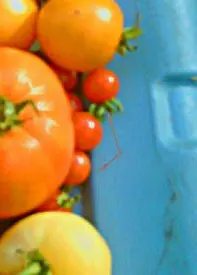
These small cherry tomatoes are deep-red, tender, smooth, and full-flavored with a high sugar content. Though the flavor is superior, it doesn't yield as well as modern varieties, and the fruits are soft. Fantastic in salsa and for fresh eating. Some resistance to early blight and late blight. The story of how we obtained 'Matt's Wild Cherry' seeds can be traced back to Teresa Arellanos de Mena, who brought them to Maine from her family's home state of Hidalgo in Eastern Mexico (the region where these tomatoes grow wild). Teresa gave the seeds to her friend Matt Leibman, a former Univ. of Maine AG faculty member, who then gave the seeds to us. Avg. fruit size 5 gm. Indeterminate.
Harvest
60d
Days to harvest
Sun
Full sun
Zones
10–11
USDA hardiness
Height
1-10 feet
Planting Timeline
Showing dates for Matt's Wild Cherry in USDA Zone 7
All Zone 7 tomato →Zone Map
Click a state to update dates
Matt's Wild Cherry · Zones 10–11
Growing Details
Succession Planting
Matt's Wild Cherry is indeterminate, so it keeps setting fruit on the same plant all season — one planting is all you need. Start seeds indoors in late February to early March in zone 7, transplant after last frost (typically mid-April across much of Georgia), and that single round will carry you through July, August, and into September. Spend your energy on weekly staking and stripping suckers below the first fruit cluster, not on starting a second batch of seeds.
Complete Growing Guide
These small cherry tomatoes are deep-red, tender, smooth, and full-flavored with a high sugar content. Though the flavor is superior, it doesn't yield as well as modern varieties, and the fruits are soft. Fantastic in salsa and for fresh eating. Some resistance to early blight and late blight. The story of how we obtained 'Matt's Wild Cherry' seeds can be traced back to Teresa Arellanos de Mena, who brought them to Maine from her family's home state of Hidalgo in Eastern Mexico (the region where these tomatoes grow wild). Teresa gave the seeds to her friend Matt Leibman, a former Univ. of Maine AG faculty member, who then gave the seeds to us. Avg. fruit size 5 gm. Indeterminate. According to Johnny's Selected Seeds, Matt's Wild Cherry is 60 days to maturity, annual, open pollinated, indeterminate growth habit. Notable features: Heirloom.
Light: Full sun (6 or more hours of direct sunlight a day). Soil: Clay, High Organic Matter, Loam (Silt), Sand. Soil pH: Acid (<6.0), Neutral (6.0-8.0). Drainage: Good Drainage, Moist. Height: 1 ft. 0 in. - 10 ft. 0 in.. Spread: 1 ft. 0 in. - 4 ft. 0 in.. Spacing: 3 feet-6 feet. Growth rate: Rapid. Maintenance: High. Propagation: Seed. Regions: Coastal, Mountains, Piedmont.
Harvesting
Matt's Wild Cherry reaches harvest at 60 days from sowing per Johnny's Selected Seeds. Expect 5 g at peak. As an annual, harvest continues until frost ends the season.
The fruits are smooth, shiny, glossy, and are classified as berries. The size, shape, and color will vary depending on the variety or cultivar. The color of the fruits may be red, yellow, orange, green, purple, or pink. The fruits may contain over 100 yellow to light brown seeds.
Color: Gold/Yellow, Green, Orange, Pink, Purple/Lavender, Red/Burgundy, Variegated. Type: Berry. Length: > 3 inches. Width: > 3 inches.
Garden value: Edible, Showy
Harvest time: Fall, Summer
Edibility: The fruits or berries of the tomato are edible. They may be eaten raw, cooked, dried, or processed. They are a rich source of Vitamin A, Vitamin C, folic acid, and antioxidants. Lycopene is an antioxidant that gives the tomato its rich red color. Many plants will drop fruit when ripe or the fruit will come off easily. Tomatoes will continue to ripen once picked. Store them at room temperature.
Storage & Preservation
Matt's Wild Cherry tomatoes store best at room temperature away from direct sunlight until fully ripe, then refrigerate at 50–55°F in a breathable container to extend shelf life to 7–10 days. Avoid sealing them in plastic, which traps moisture and hastens decay. These intensely flavored cherries excel at preservation; drying is particularly rewarding—halve them and dry at 135°F until leathery, concentrating their wild sweetness into chewy morsels perfect for winter cooking. Freezing works well for sauce applications: blanch briefly, cool, and pack in freezer bags for up to eight months. Canning whole or as sauce is reliable using standard hot-water bath methods. Their small size makes them ideal for fermenting with salt and spices for a piquant condiment. Because of their thin skins, handle them gently during harvest to minimize bruising, which accelerates deterioration even under ideal conditions.
History & Origin
Matt's Wild Cherry is an heirloom variety with documented breeding heritage. Matt's Wild Cherry is open-pollinated, meaning seed saved from healthy plants will produce true-to-type offspring. Listed in the Johnny's Selected Seeds catalog.
Origin: Peru
Advantages
- +Intensely sweet and tangy flavor with concentrated wild tomato taste
- +Highly resistant to most common tomato diseases including early and late blight
- +Vigorous growth typically outpaces tomato hornworm damage before significant harm
- +Perfect size and texture for fresh eating and homemade salsa
- +Easy to grow with relatively short 60-day maturity
Considerations
- -Lower yields compared to modern commercial cherry tomato varieties
- -Soft fruits are delicate and prone to bruising during harvest
- -Small 5-gram fruit size requires more plants for substantial harvests
Companion Plants
Basil planted 12–18 inches away is the move I make every season — in our zone 7 Georgia garden, the dense aromatic oils seem to slow aphids and thrips from zeroing in on the tomatoes, though I'll admit the culinary payoff at harvest is at least as good a reason to bother. French marigolds (Tagetes patula specifically, not the big African types) are worth including because research backs their ability to suppress root-knot nematodes (Meloidogyne spp.) in the soil — a real problem in heavy Georgia clay. Nasturtiums work as a trap crop for aphids and their low sprawl slows soil splash, which is one of the main ways early blight (Alternaria solani) moves up from the ground. Fennel is the one to plant far from any vegetable bed; it's broadly allelopathic and stunts growth in most crops within a few feet. Brassicas compete directly for nitrogen and calcium without returning anything useful to a heavy feeder like Matt's Wild Cherry.
Plant Together
Basil
Repels aphids and whiteflies, may improve flavor
Marigold
Deters nematodes and whiteflies with natural compounds
Nasturtium
Acts as trap crop for aphids and cucumber beetles
Parsley
Attracts beneficial insects like hoverflies and parasitic wasps
Carrots
Helps break up soil for tomato roots, doesn't compete for space
Chives
Repels aphids and may improve tomato growth and flavor
Borage
Attracts pollinators and beneficial insects, may deter hornworms
Lettuce
Grows well in tomato shade, doesn't compete for nutrients
Keep Apart
Black Walnut
Produces juglone toxin that causes tomato wilt and stunted growth
Fennel
Inhibits growth of most garden plants through allelopathy
Brassicas
Compete for similar nutrients and may stunt tomato growth
Nutrition Facts
Per 100g serving. % Daily Value based on 2,000 calorie diet. Source: USDA FoodData Central (FDC #171719)
Pests & Disease Resistance
Resistance
Exceptional disease resistance and stress tolerance. Very crack resistant.
Common Pests
Tomato hornworm, but vigorous growth typically outpaces pest damage
Diseases
Highly resistant to most common tomato diseases
Troubleshooting Matt's Wild Cherry
What you'll see, why it happens, and what to do about it.
Plant wilts during the day even when soil is moist, with brown discoloration inside the stem when you cut it
Likely Causes
- Southern bacterial wilt (Ralstonia solanacearum) — soil-borne, spreads through infected soil or tools
- Fusarium crown rot — more common in poorly drained beds
What to Do
- 1.Pull the plant immediately, roots and all, and bag it in the trash — don't compost it
- 2.NC State Extension recommends rotating tomatoes out of that bed for 5 to 7 years; grafted tomatoes onto resistant rootstock are an option if your space is limited
- 3.Sanitize any tools that touched the soil in that spot with a 10% bleach solution before using them elsewhere
Stem at or just below the soil line turns brown and mushy, white fungal threads visible, plant collapses
Likely Causes
- Southern stem blight (Sclerotium rolfsii) — fungus that persists in soil for years and hits at soil level
- Overly wet soil or thick mulch piled against the stem
What to Do
- 1.Dig up and destroy the plant and as much surrounding soil as you can — NC State Extension is clear that this pathogen stays viable in the ground for years
- 2.Wrap young transplant stems with aluminum foil at planting time, extending an inch or two above and below the soil line, as a physical barrier
- 3.Pull mulch back 2–3 inches from the base of all remaining plants
Youngest leaves at the growing tip turn bright yellow, sometimes distorted, while older leaves stay green
Likely Causes
- Glyphosate herbicide drift — tomato is especially sensitive and shows this symptom at very low doses per NC State Extension
- Broad mite (Polyphagotarsonemus latus) feeding on new growth
What to Do
- 1.Check whether any neighbor or nearby lawn service sprayed herbicide in the past 48 hours — if so, keep the plant watered and wait to see if new growth comes in clean
- 2.If drift isn't the explanation, examine the newest leaves under a hand lens for broad mites (nearly invisible, cream-colored); treat with insecticidal soap or neem oil, hitting the growing tip thoroughly
- 3.Don't apply glyphosate anywhere near the garden on a windy day
Blossom end of fruit develops a sunken, leathery black or brown patch
Likely Causes
- Blossom end rot — calcium deficiency in developing fruit driven by inconsistent soil moisture, not usually a shortage of calcium in the soil itself
- Boom-and-bust watering cycles that prevent calcium uptake even when it's present in adequate amounts
What to Do
- 1.Water consistently — drip irrigation or a soaker hose set to deliver 1 to 1.5 inches per week is more reliable than hand watering
- 2.Mulch with 3–4 inches of straw to buffer soil moisture swings between rain events
- 3.Pull affected fruit off now; they won't recover, and leaving them on the plant doesn't improve the next ones
Frequently Asked Questions
How long does Matt's Wild Cherry take to grow from seed?▼
Can you grow Matt's Wild Cherry in containers?▼
Is Matt's Wild Cherry good for beginners?▼
What does Matt's Wild Cherry taste like compared to store-bought?▼
When should I plant Matt's Wild Cherry seeds?▼
Do Matt's Wild Cherry plants need staking or caging?▼
Zone-by-Zone Planting Calendar
| Zone | Indoor Start | Transplant | Direct Sow | Harvest |
|---|---|---|---|---|
| Zone 3 | April – April | June – July | — | August – October |
| Zone 4 | March – April | June – June | — | August – October |
| Zone 5 | March – March | May – June | — | July – September |
| Zone 6 | March – March | May – June | — | July – September |
| Zone 7 | February – March | April – May | — | July – September |
| Zone 8 | February – February | April – May | — | June – August |
| Zone 9 | January – January | March – April | — | May – July |
| Zone 10 | January – January | February – March | — | May – July |
| Zone 1 | May – May | July – August | — | September – August |
| Zone 2 | April – May | June – July | — | September – September |
| Zone 11 | January – January | January – February | — | April – June |
| Zone 12 | January – January | January – February | — | April – June |
| Zone 13 | January – January | January – February | — | April – June |
Growing Guides from Wind River Greens
Sources & References
External authority sources used in compiling this guide.
- BreederJohnny's Selected Seeds
- USDAUSDA FoodData Central
See the Methodology page for how this data is sourced, what's AI-assisted, and known limitations.