Marglobe
Solanum lycopersicum 'Marglobe'
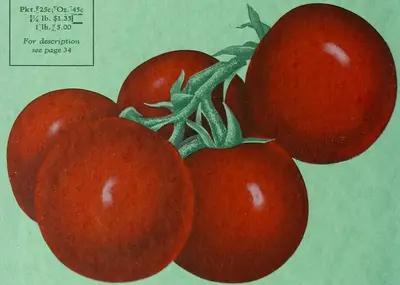
Developed by the USDA in the 1920s, this reliable determinate variety was bred specifically for disease resistance and consistent production. A favorite among home canners and gardeners who want dependable, crack-resistant red tomatoes with classic flavor and the convenience of concentrated harvest timing.
Harvest
75-85d
Days to harvest
Sun
Full sun
Zones
10–11
USDA hardiness
Height
1-10 feet
Planting Timeline
Showing dates for Marglobe in USDA Zone 7
All Zone 7 tomato →Zone Map
Click a state to update dates
Marglobe · Zones 10–11
Growing Details
Complete Growing Guide
Because Marglobe is determinate, plan your harvest window for 2–3 concentrated weeks rather than a long season, making it ideal for canning projects but requiring succession planting if you want continuous fresh fruit. This cultivar thrives in full sun with consistent moisture; avoid overwatering, which can trigger the crack-resistance to fail. While bred for disease resistance, Marglobe remains susceptible to early blight in humid conditions, so ensure good air circulation and mulch to prevent soil splash. The variety rarely experiences the leggy stretch common in indeterminate types, but it will produce shorter, bushier plants in cooler regions. A practical tip: because Marglobe sets fruit determinately, remove lower leaves by mid-season to improve airflow and reduce fungal pressure, then let the remaining foliage support the concentrated fruit load through ripening.
Light: Full sun (6 or more hours of direct sunlight a day). Soil: Clay, High Organic Matter, Loam (Silt), Sand. Soil pH: Acid (<6.0), Neutral (6.0-8.0). Drainage: Good Drainage, Moist. Height: 1 ft. 0 in. - 10 ft. 0 in.. Spread: 1 ft. 0 in. - 4 ft. 0 in.. Spacing: 3 feet-6 feet. Growth rate: Rapid. Maintenance: High. Propagation: Seed. Regions: Coastal, Mountains, Piedmont.
Harvesting
Marglobe tomatoes reach peak harvest readiness when they display a deep, uniform red color throughout the fruit with no green shoulder remaining, typically weighing 5-6 ounces and yielding slightly to gentle palm pressure without feeling soft. This determinate variety produces most of its fruit within a concentrated window, enabling a substantial single harvest ideal for canning operations, though scattered picking throughout the season will encourage continued production on remaining plants. For optimal timing, harvest tomatoes when they first reach full red color rather than waiting for them to soften further, as Marglobe's naturally thick skin holds firm even when fully ripe, and early picking allows the vine to direct energy toward ripening secondary fruits before the season's end.
The fruits are smooth, shiny, glossy, and are classified as berries. The size, shape, and color will vary depending on the variety or cultivar. The color of the fruits may be red, yellow, orange, green, purple, or pink. The fruits may contain over 100 yellow to light brown seeds.
Color: Gold/Yellow, Green, Orange, Pink, Purple/Lavender, Red/Burgundy, Variegated. Type: Berry. Length: > 3 inches. Width: > 3 inches.
Garden value: Edible, Showy
Harvest time: Fall, Summer
Edibility: The fruits or berries of the tomato are edible. They may be eaten raw, cooked, dried, or processed. They are a rich source of Vitamin A, Vitamin C, folic acid, and antioxidants. Lycopene is an antioxidant that gives the tomato its rich red color. Many plants will drop fruit when ripe or the fruit will come off easily. Tomatoes will continue to ripen once picked. Store them at room temperature.
Storage & Preservation
Store freshly harvested Marglobe tomatoes at room temperature (around 65–70°F) away from direct sunlight until fully ripe, then refrigerate at 50–55°F in a single layer to extend shelf life to 1–2 weeks. Keep humidity moderate to prevent rot. Fresh tomatoes are best consumed within days of peak ripeness for optimal flavor.
For preservation, Marglobe's balanced acidity and meaty texture make it ideal for water-bath canning as whole tomatoes, crushed sauce, or paste—the classic choice for this variety. Freezing whole tomatoes works well; simply core and freeze on trays before bagging. Sun-drying or oven-drying concentrates their flavor beautifully for winter use. Because Marglobe produces a substantial crop over a concentrated 75–85 day harvest window, batch processing through canning or sauce-making captures the season's abundance efficiently.
History & Origin
Developed by the United States Department of Agriculture in the 1920s, Marglobe emerged from a deliberate breeding program aimed at combining disease resistance with reliable production for both commercial and home gardeners. The variety represents a significant moment in tomato improvement when systematic selection for disease traits became a priority following various agricultural challenges of the era. While specific breeder names and exact parentage records are not widely documented in readily available sources, Marglobe's introduction reflected the USDA's broader commitment to developing regionally adapted, disease-resistant cultivars. The variety quickly gained popularity among canners and home gardeners for its consistent performance and crack-resistant fruit, becoming a standard in mid-twentieth-century American seed catalogs.
Origin: Peru
Advantages
- +USDA-bred variety offers proven disease resistance and reliable production
- +Determinate growth habit concentrates harvest, ideal for canning and preservation
- +Crack-resistant fruits reduce post-harvest loss and maintain marketable quality
- +Classic balanced flavor delivers authentic tomato taste that home gardeners expect
- +Moderate difficulty makes Marglobe accessible to beginners and experienced growers
Considerations
- -Susceptible to early and late blight in humid or wet conditions
- -Limited yield potential compared to indeterminate varieties due to determinate growth
- -Vulnerable to multiple pest pressures including fruitworms and flea beetles
Companion Plants
Marigolds (Tagetes spp.) are worth planting at the bed edges — their roots produce thiophenes that suppress root-knot nematodes (Meloidogyne spp.), a genuine problem in loose soils, and their scent disrupts the host-finding behavior of aphids and whiteflies, both flagged by NC State Extension as common Marglobe pests. Basil pulls its weight differently: it wants the same full sun and consistent moisture Marglobe needs, and at 12–18 inches away it won't compete for root space. Keep fennel out of the picture entirely — it produces allelopathic compounds that stunt most neighboring plants, and there's no compensating benefit. Brassicas are a worse neighbor than most people expect: they share soilborne pressure with tomatoes and drag a completely different insect guild into the bed at the same time.
Plant Together
Basil
Repels aphids, whiteflies, and hornworms while potentially improving tomato flavor
Marigold
Deters nematodes, aphids, and whiteflies with natural pest-repelling compounds
Carrots
Loosens soil for tomato roots and doesn't compete for nutrients due to different root depths
Parsley
Attracts beneficial insects like hoverflies that prey on tomato pests
Chives
Repels aphids and may improve tomato growth and flavor through sulfur compounds
Nasturtiums
Acts as trap crop for aphids, cucumber beetles, and squash bugs
Lettuce
Provides ground cover and benefits from tomato's shade during hot weather
Oregano
Repels many insects and may enhance tomato flavor and growth
Keep Apart
Black Walnut
Releases juglone toxin that causes wilting and death in tomatoes
Fennel
Inhibits tomato growth through allelopathic compounds and attracts harmful insects
Brassicas
Stunts tomato growth and both plants compete for similar soil nutrients
Corn
Both are susceptible to corn earworm, creating shared pest problems
Nutrition Facts
Per 100g serving. % Daily Value based on 2,000 calorie diet. Source: USDA FoodData Central (FDC #321360)
Pests & Disease Resistance
Resistance
Good resistance to fusarium wilt and nailhead spot. Crack resistant.
Common Pests
Aphids, whiteflies, tomato fruitworm, flea beetles
Diseases
Early blight, late blight, bacterial spot, verticillium wilt
Troubleshooting Marglobe
What you'll see, why it happens, and what to do about it.
Lower leaves developing dark brown bullseye-patterned spots, yellowing outward from the lesion, typically after day 40–50 post-transplant
Likely Causes
- Early blight (Alternaria solani) — soil-borne fungus that splashes up onto foliage during rain or overhead irrigation
- Crowded canopy blocking airflow, especially if plants aren't staked or pruned
What to Do
- 1.Strip affected lower leaves immediately and bag them — don't compost them
- 2.Mulch the soil surface with 3–4 inches of straw to stop spore splash
- 3.Apply a copper-based fungicide on a 7–10 day interval if the disease is spreading; start before it reaches the mid-canopy
Large patches of foliage turning gray-green and collapsing fast — sometimes overnight — with greasy, water-soaked spots on fruit
Likely Causes
- Late blight (Phytophthora infestans) — NC State Extension monitors it regionally and notes its timing shifts year to year; cool nights below 60°F combined with high humidity accelerate spread
- Planting too close to potatoes, which share the same pathogen and act as a reservoir
What to Do
- 1.Remove and bag all affected plant material immediately — late blight can reach neighboring plants within 48 hours under the right conditions
- 2.Do not compost; dispose of debris off-site or in sealed trash
- 3.If caught early, apply a mancozeb or chlorothalonil fungicide; preventive applications before symptoms appear work far better than reactive ones
Whole plant wilting during the day even when soil moisture is adequate, with no obvious stem rot or insect damage visible above ground
Likely Causes
- Verticillium wilt (Verticillium dahliae) or bacterial wilt (Ralstonia solanacearum) — both persist in soil for years and block vascular tissue
- Root-knot nematodes (Meloidogyne spp.) destroying root function, especially common in sandy soils
What to Do
- 1.Slice the main stem lengthwise on one pulled plant — a brown or tan ring in the vascular tissue points to Verticillium or bacterial wilt
- 2.Per NC State Extension, pull and destroy affected plants including the full root system; leaving roots in place keeps the pathogen active
- 3.Rotate out of this bed for at least 3 seasons; if the soil is known to be infested, grow in containers with uncontaminated potting mix
Fruit surface shows small water-soaked spots that darken into raised, scabby lesions; leaves show angular brown spots with yellow halos
Likely Causes
- Bacterial spot (Xanthomonas vesicatoria) — spreads rapidly in warm, wet weather and moves easily through overhead watering
- Handling plants while wet, which transfers bacteria between plants on hands and tools
What to Do
- 1.Switch to drip irrigation or water at the base only; keeping foliage dry cuts transmission significantly
- 2.Apply copper bactericide at first sign of symptoms and repeat every 7 days during wet stretches
- 3.Wipe pruning tools between plants with a 10% bleach solution or 70% isopropyl alcohol
Frequently Asked Questions
How long does Marglobe tomato take to grow?▼
Is Marglobe tomato good for beginners?▼
Can you grow Marglobe tomatoes in containers?▼
What does Marglobe tomato taste like?▼
When should I plant Marglobe tomato seeds?▼
Marglobe vs Roma tomato - what's the difference?▼
Zone-by-Zone Planting Calendar
| Zone | Indoor Start | Transplant | Direct Sow | Harvest |
|---|---|---|---|---|
| Zone 1 | May – May | July – August | — | October – August |
| Zone 2 | April – May | June – July | — | September – September |
| Zone 11 | January – January | January – February | — | April – June |
| Zone 12 | January – January | January – February | — | April – June |
| Zone 13 | January – January | January – February | — | April – June |
| Zone 3 | April – April | June – July | — | September – October |
| Zone 4 | March – April | June – June | — | August – October |
| Zone 5 | March – March | May – June | — | August – October |
| Zone 6 | March – March | May – June | — | August – October |
| Zone 7 | February – March | April – May | — | July – September |
| Zone 8 | February – February | April – May | — | July – September |
| Zone 9 | January – January | March – April | — | June – August |
| Zone 10 | January – January | February – March | — | May – July |
Growing Guides from Wind River Greens
Sources & References
External authority sources used in compiling this guide.
See the Methodology page for how this data is sourced, what's AI-assisted, and known limitations.