Lemon Drop
Solanum lycopersicum 'Lemon Drop'
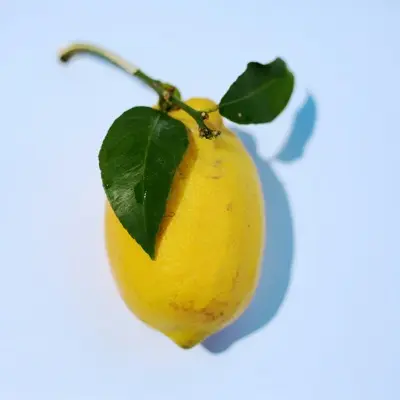
A prolific cherry tomato variety that produces bright yellow, teardrop-shaped fruits with an intensely sweet, citrusy flavor that's unlike any other tomato. These bite-sized gems are incredibly productive, with long clusters of 6-12 fruits that ripen throughout the season. A conversation starter that adds both visual appeal and gourmet flavor to any garden or plate.
Harvest
75-80d
Days to harvest
Sun
Full sun
Zones
10–11
USDA hardiness
Height
1-10 feet
Planting Timeline
Showing dates for Lemon Drop in USDA Zone 7
All Zone 7 tomato →Zone Map
Click a state to update dates
Lemon Drop · Zones 10–11
Growing Details
Complete Growing Guide
The prolific nature of Lemon Drop demands consistent pruning of lower foliage to improve air circulation and prevent fungal diseases, which this cultivar is moderately susceptible to in humid climates. Start seeds 6-8 weeks before your last frost, as the 75-80 day maturity assumes transplant timing rather than direct sowing. This tall, indeterminate variety needs sturdy support—expect vigorous growth reaching the upper end of its range in warm seasons—so stake or cage early to prevent stem breakage under heavy fruit load. Lemon Drop concentrates its signature citrus sweetness best when receiving consistent moisture and full sun (8+ hours daily), with irregular watering causing fruit cracking. The yellow color can mask ripeness; harvest when the skin yields slightly to gentle pressure rather than waiting for deeper color. A practical trick: thin fruit clusters by removing 1-2 developing fruits per stem to redirect energy into larger, sweeter specimens that mature earlier, extending your peak harvest window.
Light: Full sun (6 or more hours of direct sunlight a day). Soil: Clay, High Organic Matter, Loam (Silt), Sand. Soil pH: Acid (<6.0), Neutral (6.0-8.0). Drainage: Good Drainage, Moist. Height: 1 ft. 0 in. - 10 ft. 0 in.. Spread: 1 ft. 0 in. - 4 ft. 0 in.. Spacing: 3 feet-6 feet. Growth rate: Rapid. Maintenance: High. Propagation: Seed. Regions: Coastal, Mountains, Piedmont.
Harvesting
Lemon Drop tomatoes reach peak ripeness when they develop a deep, uniform golden-yellow color throughout the fruit and yield slightly to gentle finger pressure without being soft. The teardrop shape becomes more pronounced as they mature, and fully ripe fruits detach easily from the vine with minimal effort. Rather than a single harvest, this prolific variety rewards continuous picking every 2-3 days once fruits begin ripening, which encourages the plant to set and mature additional clusters throughout the season. For best flavor development, allow fruits to ripen fully on the vine rather than harvesting at the breaker stage, since the citrusy sweetness intensifies in the final days before peak maturity.
The fruits are smooth, shiny, glossy, and are classified as berries. The size, shape, and color will vary depending on the variety or cultivar. The color of the fruits may be red, yellow, orange, green, purple, or pink. The fruits may contain over 100 yellow to light brown seeds.
Color: Gold/Yellow, Green, Orange, Pink, Purple/Lavender, Red/Burgundy, Variegated. Type: Berry. Length: > 3 inches. Width: > 3 inches.
Garden value: Edible, Showy
Harvest time: Fall, Summer
Edibility: The fruits or berries of the tomato are edible. They may be eaten raw, cooked, dried, or processed. They are a rich source of Vitamin A, Vitamin C, folic acid, and antioxidants. Lycopene is an antioxidant that gives the tomato its rich red color. Many plants will drop fruit when ripe or the fruit will come off easily. Tomatoes will continue to ripen once picked. Store them at room temperature.
Storage & Preservation
Store freshly harvested Lemon Drop tomatoes at room temperature away from direct sunlight until fully ripe, then refrigerate at 50–55°F in a breathable container or paper bag to extend shelf life to 1–2 weeks. Avoid airtight plastic, which traps moisture and promotes spoilage. These tomatoes keep longer than many heirloom varieties due to their firm skin and low water content.
For preservation, freezing works exceptionally well—simply quarter or halve them, freeze on a tray, then bag for up to eight months. Their natural sweetness and low acidity make them ideal candidates for pressure canning as sauce or whole pack, though standard water bath canning requires added acid. Sun-drying concentrates their citrusy sweetness beautifully and produces superior results compared to other yellow varieties. Freezing whole tomatoes intact preserves their shape and bright color better than blanching and peeling, making them particularly attractive for later use in fresh applications or as garnish.
History & Origin
The 'Lemon Drop' cherry tomato emerged from modern breeding efforts focused on developing high-yielding, flavor-forward cherry varieties with distinctive appearance. While detailed documentation of its specific breeder and introduction year remains limited in publicly available sources, the variety reflects the broader trend of late 20th and early 21st-century heirloom and specialty tomato breeding that emphasizes both productivity and gourmet taste profiles. Its teardrop morphology and yellow coloration suggest potential ancestry within cherry tomato lines selected for visual distinction, a trait increasingly valued in both home gardening and specialty market cultivation. The variety's introduction aligns with growing consumer demand for non-red tomato varieties offering novel flavor experiences.
Origin: Peru
Advantages
- +Exceptionally sweet and citrusy flavor is truly unique among tomato varieties
- +Bright yellow color provides stunning visual contrast in gardens and salads
- +Prolific producer with long clusters of 6-12 fruits per stem
- +Quick maturity at 75-80 days means faster harvest gratification
- +Bite-sized fruits are perfect for snacking and entertaining guests
Considerations
- -Highly susceptible to late blight, early blight, and septoria leaf spot
- -Requires vigilant pest management due to hornworm and aphid attraction
- -Small fruit size means lower total yield by weight compared to slicers
Companion Plants
Basil planted 12–18 inches away is worth the space. Its volatile oils — linalool and estragole, mainly — appear to interfere with aphid host-finding, and that matters for Lemon Drop since aphids vector several mosaic viruses the variety has no resistance to. Marigolds (Tagetes spp.) do real work underground: their roots exude alpha-terthienyl, a compound that suppresses root-knot nematodes in the surrounding soil. Above ground, their flowers pull in parasitic wasps that target tomato hornworm (Manduca quinquemaculata) eggs before the caterpillars ever get big enough to do damage. Nasturtiums are worth planting at the bed's edge — they draw aphid colonies onto themselves and away from the tomatoes, making cleanup a lot more targeted.
Fennel is the one to cut entirely — it's allelopathic to most vegetables and will visibly stunt tomato growth within a few feet of the root zone. Black Walnut is a harder problem because the damage comes from juglone in the roots and leaf litter, and Solanum lycopersicum is one of the more sensitive species to it; 50–60 feet of separation is the standard recommendation. Brassicas competing for the same shallow nutrient band and heavy feeders like corn are less dramatic but still worth keeping on the other side of the garden.
Plant Together
Basil
Repels aphids, whiteflies, and hornworms while potentially improving tomato flavor
Marigolds
Deters nematodes, aphids, and whiteflies with natural compounds
Carrots
Loosens soil for tomato roots and doesn't compete for nutrients
Parsley
Attracts beneficial insects like parasitic wasps that control tomato pests
Chives
Repels aphids and may help prevent fungal diseases
Nasturtiums
Acts as trap crop for aphids and cucumber beetles while repelling whiteflies
Lettuce
Provides living mulch and makes efficient use of space without competing
Borage
Repels hornworms and attracts pollinators and beneficial predatory insects
Keep Apart
Black Walnut
Releases juglone toxin that causes tomato wilt and stunted growth
Fennel
Inhibits growth through allelopathic compounds and attracts harmful insects
Brassicas
Compete for similar nutrients and may stunt tomato growth when planted nearby
Corn
Both attract corn earworm/tomato fruitworm, increasing pest pressure for both crops
Nutrition Facts
Per 100g serving. % Daily Value based on 2,000 calorie diet. Source: USDA FoodData Central (FDC #167747)
Pests & Disease Resistance
Resistance
Good general disease resistance, less prone to cracking than many cherries
Common Pests
Tomato hornworm, aphids, whiteflies
Diseases
Late blight, early blight, septoria leaf spot
Troubleshooting Lemon Drop
What you'll see, why it happens, and what to do about it.
Flattened, tan or black leathery patch on the blossom end of developing fruit, usually on the first cluster
Likely Causes
- Blossom end rot — calcium deficiency in the developing fruit caused by inconsistent watering (drought stress followed by overwatering)
- Soil pH outside 6.0–7.0 range locking out available calcium even when it's present in the soil
What to Do
- 1.Water consistently — Lemon Drop needs high, steady moisture; let the soil dry out and you'll see this within a week
- 2.Mulch 2–3 inches deep to buffer soil moisture swings between rain events
- 3.Test soil pH and amend if needed; NC State Extension notes that nutrients can be unavailable to plants even when present if pH is off
Large patches of foliage turning gray-green and collapsing fast — sometimes overnight — with dark, water-soaked spots on fruit
Likely Causes
- Late blight (Phytophthora infestans) — spreads rapidly in cool, wet conditions and can move through a planting in 48–72 hours
- Infected transplants or airborne spores from neighboring gardens or farms
What to Do
- 1.Remove and bag affected plant material immediately — do not compost it
- 2.NC State Extension's PDIC monitors late blight pressure annually; check their reports before the season so you're not caught off guard
- 3.Rotate tomatoes and potatoes out of the affected bed for at least 3–4 years; NC State Extension notes the rotation period for some tomato diseases may stretch to 5–7 years
Lower leaves developing small, circular spots with a yellow halo, progressing upward over 2–3 weeks starting around day 40–50 after transplant
Likely Causes
- Septoria leaf spot (Septoria lycopersici) — overwinters in soil and splashes up onto lower leaves during rain or overhead irrigation
- Early blight (Alternaria solani) — similar appearance, often confused with Septoria; both thrive in warm, humid conditions above 75°F
What to Do
- 1.Strip affected lower leaves and trash them — not the compost pile
- 2.Lay 2–3 inches of straw mulch at the base of the plant to stop soil splash, which is the primary transmission route for both pathogens
- 3.Don't plant tomatoes in the same bed two years running; NC State Extension recommends rotating nightshades out of a site once every three to four years minimum
Frequently Asked Questions
How long does Lemon Drop tomato take to grow?▼
Can you grow Lemon Drop tomatoes in containers?▼
What does Lemon Drop tomato taste like?▼
Is Lemon Drop tomato good for beginners?▼
When should I plant Lemon Drop tomato seeds?▼
How big do Lemon Drop tomato plants get?▼
Zone-by-Zone Planting Calendar
| Zone | Indoor Start | Transplant | Direct Sow | Harvest |
|---|---|---|---|---|
| Zone 3 | April – April | June – July | — | September – October |
| Zone 4 | March – April | June – June | — | August – October |
| Zone 5 | March – March | May – June | — | August – October |
| Zone 6 | March – March | May – June | — | August – October |
| Zone 7 | February – March | April – May | — | July – September |
| Zone 8 | February – February | April – May | — | July – September |
| Zone 9 | January – January | March – April | — | June – August |
| Zone 10 | January – January | February – March | — | May – July |
| Zone 1 | May – May | July – August | — | October – August |
| Zone 2 | April – May | June – July | — | September – September |
| Zone 11 | January – January | January – February | — | April – June |
| Zone 12 | January – January | January – February | — | April – June |
| Zone 13 | January – January | January – February | — | April – June |
Growing Guides from Wind River Greens
Sources & References
External authority sources used in compiling this guide.
See the Methodology page for how this data is sourced, what's AI-assisted, and known limitations.