Jet Star
Solanum lycopersicum 'Jet Star'
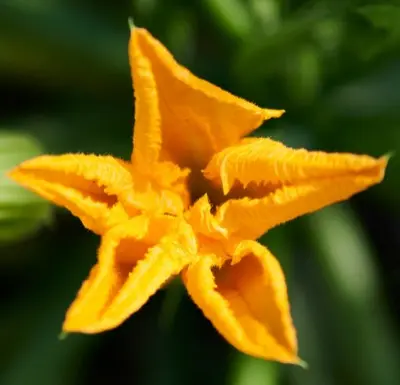
An award-winning hybrid that delivers the perfect balance of classic tomato flavor and reliable garden performance, making it ideal for beginners and experienced gardeners alike. This vigorous variety produces smooth, crack-resistant fruits with excellent eating quality and impressive disease tolerance. Jet Star has been a garden favorite for decades due to its consistent production and adaptability to various growing conditions.
Harvest
72-78d
Days to harvest
Sun
Full sun
Zones
10–10
USDA hardiness
Height
1-10 feet
Planting Timeline
Showing dates for Jet Star in USDA Zone 7
All Zone 7 tomato →Zone Map
Click a state to update dates
Jet Star · Zones 10–10
Growing Details
Complete Growing Guide
Plant Jet Star 72–78 days before your first frost date, timing it for consistent warmth since this hybrid thrives in temperatures between 70–85°F and struggles in cool springs. Unlike indeterminate varieties, Jet Star is determinate but vigorous, reaching 4–6 feet reliably with minimal sprawl—stake or cage early to prevent fruit from touching soil. While this cultivar demonstrates exceptional disease resistance to fusarium and verticillium wilt, monitor closely for spider mites during hot, dry spells, which can stress plants and reduce yield. Jet Star's crack-resistant skin makes it forgiving during inconsistent watering, but maintain even moisture to prevent blossom-end rot. One essential practice: prune lower leaves weekly once fruit sets to improve airflow and reduce fungal pressure, maximizing the reliable production this variety is famous for delivering season after season.
Light: Full sun (6 or more hours of direct sunlight a day). Soil: Clay, High Organic Matter, Loam (Silt), Sand. Soil pH: Acid (<6.0), Neutral (6.0-8.0). Drainage: Good Drainage, Moist. Height: 1 ft. 0 in. - 10 ft. 0 in.. Spread: 1 ft. 0 in. - 4 ft. 0 in.. Spacing: 3 feet-6 feet. Growth rate: Rapid. Maintenance: High. Propagation: Seed. Regions: Coastal, Mountains, Piedmont.
Harvesting
Harvest Jet Star tomatoes when they achieve a deep, uniform red color throughout, typically weighing 5-7 ounces with a slight give when gently squeezed. The fruits should detach easily from the vine with a gentle twist, signaling peak ripeness. This variety produces continuously throughout the season rather than in concentrated flushes, rewarding regular picking every 2-3 days during peak production. For optimal flavor development, allow tomatoes to fully ripen on the vine before harvesting, as they contain higher sugar content and acidity at complete maturity; however, pick fruit showing the first blush of red if frost threatens, as Jet Star ripens reliably indoors within days.
The fruits are smooth, shiny, glossy, and are classified as berries. The size, shape, and color will vary depending on the variety or cultivar. The color of the fruits may be red, yellow, orange, green, purple, or pink. The fruits may contain over 100 yellow to light brown seeds.
Color: Gold/Yellow, Green, Orange, Pink, Purple/Lavender, Red/Burgundy, Variegated. Type: Berry. Length: > 3 inches. Width: > 3 inches.
Garden value: Edible, Showy
Harvest time: Fall, Summer
Edibility: The fruits or berries of the tomato are edible. They may be eaten raw, cooked, dried, or processed. They are a rich source of Vitamin A, Vitamin C, folic acid, and antioxidants. Lycopene is an antioxidant that gives the tomato its rich red color. Many plants will drop fruit when ripe or the fruit will come off easily. Tomatoes will continue to ripen once picked. Store them at room temperature.
Storage & Preservation
Store freshly harvested Jet Star tomatoes at room temperature away from direct sunlight until fully ripe; once at peak ripeness, move them to 50–55°F with 85–90% humidity to extend shelf life to two to three weeks. Keep them in a single layer in a shallow container to prevent bruising, and avoid refrigerating until they're fully ripe, as cold temperatures damage flavor and texture. These tomatoes excel at freezing whole or as sauce—simply blanch, peel, and freeze in bags or containers for up to eight months. Their well-balanced acidity makes them reliable candidates for water bath canning as salsa, sauce, or diced tomatoes. Drying works beautifully too; halve them and dry at low heat until leathery for concentrated flavor in soups and stews. Jet Star's thick flesh and good acidity mean they hold their shape reasonably well during cooking, making them particularly suited to long-simmered sauces where whole tomatoes or large chunks won't disintegrate.
History & Origin
Jet Star was developed by Harris Seeds and introduced in the 1970s as a hybrid tomato variety designed to combine disease resistance with reliable productivity. The variety emerged during an era when American seed companies were actively breeding for improved crack resistance and adaptability to diverse climates—traits increasingly valued by home gardeners. While detailed documentation of its specific parent lines remains limited in publicly available sources, Jet Star became part of the broader movement toward dependable hybrid cultivars that prioritized consistent harvest and eating quality over novelty. Its sustained popularity since introduction suggests successful breeding objectives, though the precise germplasm sources underlying this achievement are not extensively documented in horticultural literature.
Origin: Peru
Advantages
- +Award-winning hybrid with proven track record spanning multiple decades
- +Excellent crack resistance makes fruits suitable for fresh eating
- +Produces smooth, visually appealing tomatoes with balanced sweet-tart flavor
- +Reliable performance across various growing conditions and skill levels
- +72-78 day maturity offers reasonably quick harvest window
Considerations
- -Susceptible to early blight and septoria leaf spot in wet climates
- -Requires vigilant pest management for fruitworms, aphids, and spider mites
- -Prone to bacterial speck disease under poor air circulation conditions
Companion Plants
Basil planted 12–18 inches away, alternating down the row, is worth doing — not because the pest-confusion research is settled, but because both plants want the same full-sun, high-moisture conditions and neither crowds the other out. Marigolds, specifically Tagetes patula (French type), are more defensible: their root exudates suppress root-knot nematode populations in beds with a history of that damage, and a border row costs almost nothing. Carrots and parsley tuck in below without competing for the same root depth. Fennel is the one to pull out entirely — it produces allelopathic compounds that measurably stunt tomato growth, and there's no safe "just keep it far enough away" distance in a normal garden bed.
Plant Together
Basil
Repels aphids and whiteflies, may improve tomato flavor and growth
Marigolds
Deter nematodes and aphids while attracting beneficial insects
Carrots
Help aerate soil and don't compete for nutrients, mature at different times
Parsley
Attracts beneficial insects like hoverflies that prey on tomato pests
Chives
Repel aphids and may help prevent fungal diseases
Nasturtiums
Act as trap crops for aphids and whiteflies, keeping them away from tomatoes
Lettuce
Provides ground cover and shade for roots, harvested before tomatoes need full space
Oregano
Repels many insects and may improve tomato flavor when planted nearby
Keep Apart
Fennel
Releases allelopathic compounds that inhibit tomato growth and development
Black Walnut
Produces juglone toxin that causes wilting and death in tomato plants
Brassicas
Compete heavily for nutrients and may stunt tomato growth when planted too close
Nutrition Facts
Per 100g serving. % Daily Value based on 2,000 calorie diet. Source: USDA FoodData Central (FDC #321360)
Pests & Disease Resistance
Resistance
Excellent resistance to verticillium wilt, fusarium wilt, and cracking. Good tolerance to various environmental stresses.
Common Pests
Tomato fruitworm, aphids, whiteflies, spider mites
Diseases
Bacterial speck, early blight, septoria leaf spot
Troubleshooting Jet Star
What you'll see, why it happens, and what to do about it.
Lower leaves developing small brown spots with yellow halos, spreading upward from the soil line around day 45–55 after transplant
Likely Causes
- Early blight (Alternaria solani) — soil-borne fungus that splashes onto foliage during rain or overhead irrigation
- Septoria leaf spot (Septoria lycopersici) — looks similar but spots have a pale gray center with a darker border and tiny black pycnidia visible with a hand lens
What to Do
- 1.Strip affected leaves and bin them — don't compost nightshade disease material
- 2.Lay 3–4 inches of straw mulch under plants to stop soil splash from reaching lower foliage
- 3.NC State Extension's IPM guidance recommends rotating tomatoes out of any bed for at least 3–4 years; 5–7 years if disease pressure has been heavy
Fruit shows sunken, leathery brown or black rot on the blossom end, usually visible once fruit reaches golf-ball size
Likely Causes
- Blossom end rot — calcium deficiency in the developing fruit tissue, triggered by moisture fluctuations rather than a soil calcium shortage in most cases
- Jet Star is an indeterminate hybrid that sets fruit continuously, which means any stretch of irregular watering hits multiple fruit clusters at once
What to Do
- 1.Water on a consistent schedule — aim for 1–1.5 inches per week and don't let the soil dry out between waterings once fruit has set
- 2.Mulch the root zone to buffer soil moisture between rain events and dry stretches
- 3.If soil pH tests below 6.0, work lime into the bed before next season — low pH restricts calcium uptake regardless of what's already in the soil
Entry holes in developing fruit with frass at the opening; separately, curled new growth with sticky residue and ants trailing up the stem
Likely Causes
- Tomato fruitworm (Helicoverpa zea) — the larva bores into fruit shortly after egg hatch, often entering near the stem end
- Aphids (commonly Macrosiphum euphorbiae on tomato) clustering on new growth and leaf undersides, producing honeydew that attracts ants
What to Do
- 1.Check fruit daily once you see the first entry hole — remove and destroy infested fruit to break the fruitworm cycle before the larva exits into the soil
- 2.Knock aphid colonies off with a firm water spray; repeat every 2–3 days until populations drop
- 3.The UGA Pest Management Handbook recommends a spray schedule keyed to first moth activity for fruitworm — early monitoring matters more than reactive spraying
Frequently Asked Questions
How long does Jet Star tomato take to grow from seed?▼
Is Jet Star tomato good for beginners?▼
Can you grow Jet Star tomatoes in containers?▼
What does Jet Star tomato taste like?▼
When should I plant Jet Star tomatoes?▼
How big do Jet Star tomato plants get?▼
Zone-by-Zone Planting Calendar
| Zone | Indoor Start | Transplant | Direct Sow | Harvest |
|---|---|---|---|---|
| Zone 3 | April – April | June – July | — | September – October |
| Zone 4 | March – April | June – June | — | August – October |
| Zone 5 | March – March | May – June | — | August – October |
| Zone 6 | March – March | May – June | — | August – October |
| Zone 7 | February – March | April – May | — | July – September |
| Zone 8 | February – February | April – May | — | July – September |
| Zone 9 | January – January | March – April | — | June – August |
| Zone 10 | January – January | February – March | — | May – July |
| Zone 1 | May – May | July – August | — | October – August |
| Zone 2 | April – May | June – July | — | September – September |
| Zone 11 | January – January | January – February | — | April – June |
| Zone 12 | January – January | January – February | — | April – June |
| Zone 13 | January – January | January – February | — | April – June |
Growing Guides from Wind River Greens
Sources & References
External authority sources used in compiling this guide.
See the Methodology page for how this data is sourced, what's AI-assisted, and known limitations.