Heirloom Marriage Cherokee Green
Solanum lycopersicum 'Cherokee Green'
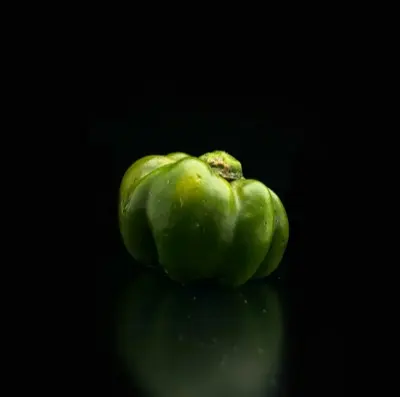
A stunning green-when-ripe heirloom that delivers exceptional flavor in an unexpected package. This Cherokee variety produces large, emerald-green beefsteak tomatoes with a sweet, tangy taste that rivals any red variety. Perfect for gardeners who want to grow something truly unique that will be the conversation starter of any garden.
Harvest
85-95d
Days to harvest
Sun
Full sun
Zones
10–11
USDA hardiness
Height
1-10 feet
Planting Timeline
Showing dates for Heirloom Marriage Cherokee Green in USDA Zone 7
All Zone 7 tomato →Zone Map
Click a state to update dates
Heirloom Marriage Cherokee Green · Zones 10–11
Growing Details
Complete Growing Guide
Cherokee Green requires patience and precise timing since its 85–95 day maturity means starting seeds 8–10 weeks before your last frost for mid-summer harvests. This variety thrives in consistently warm conditions (70–85°F) and needs full sun with well-draining, fertile soil rich in potassium to develop its signature emerald color and complex flavor. Unlike red varieties, Cherokee Green's pale appearance makes ripeness assessment tricky—ripe fruits yield slightly to gentle pressure and show a golden undertone beneath the green. The cultivar shows moderate susceptibility to septoria leaf spot in humid climates, so provide excellent air circulation and avoid overhead watering. Its indeterminate growth habit reaches 5–8 feet, demanding sturdy support and regular pruning. A practical tip: mark your calendar for consistent weekly harvesting once fruiting begins, as leaving overripe fruit on the vine can signal the plant to reduce future production.
Light: Full sun (6 or more hours of direct sunlight a day). Soil: Clay, High Organic Matter, Loam (Silt), Sand. Soil pH: Acid (<6.0), Neutral (6.0-8.0). Drainage: Good Drainage, Moist. Height: 1 ft. 0 in. - 10 ft. 0 in.. Spread: 1 ft. 0 in. - 4 ft. 0 in.. Spacing: 3 feet-6 feet. Growth rate: Rapid. Maintenance: High. Propagation: Seed. Regions: Coastal, Mountains, Piedmont.
Harvesting
Harvest Cherokee Green tomatoes when they display a rich, deep emerald hue with a slight golden undertone near the blossom end, indicating peak sugar development and ripeness despite their green appearance. The fruit should yield slightly to gentle pressure and feel substantial in your palm, weighing between eight to twelve ounces at maturity. Unlike determinate varieties that ripen all at once, Cherokee Green produces fruit continuously throughout the season, so harvest ripe tomatoes regularly to encourage further flowering and extend your yield. Pick tomatoes in the morning when temperatures are cool to preserve their delicate flavor compounds, as afternoon heat can diminish the nuanced sweet-tangy profile these heirlooms are prized for.
The fruits are smooth, shiny, glossy, and are classified as berries. The size, shape, and color will vary depending on the variety or cultivar. The color of the fruits may be red, yellow, orange, green, purple, or pink. The fruits may contain over 100 yellow to light brown seeds.
Color: Gold/Yellow, Green, Orange, Pink, Purple/Lavender, Red/Burgundy, Variegated. Type: Berry. Length: > 3 inches. Width: > 3 inches.
Garden value: Edible, Showy
Harvest time: Fall, Summer
Edibility: The fruits or berries of the tomato are edible. They may be eaten raw, cooked, dried, or processed. They are a rich source of Vitamin A, Vitamin C, folic acid, and antioxidants. Lycopene is an antioxidant that gives the tomato its rich red color. Many plants will drop fruit when ripe or the fruit will come off easily. Tomatoes will continue to ripen once picked. Store them at room temperature.
Storage & Preservation
Store freshly harvested Heirloom Marriage Cherokee Green tomatoes at room temperature, away from direct sunlight, in a single layer on a shelf or in a breathable container. Avoid refrigeration, which dulls their distinctive sweet-tangy flavor and disrupts texture. Ripe tomatoes keep for three to five days at room temperature; slightly underripe fruit lasts up to two weeks.
For preservation, freezing works well for cooking applications—core and freeze whole, or process into sauce. Canning as salsa or paste captures their bright notes effectively. Drying intensifies their subtle spice and pairs beautifully with gourmet preparations. For green tomato dishes, consider fermentation in a salt brine, which develops complex flavor and preserves the firm texture ideal for slicing.
Because these tomatoes are often harvested at the green stage, store unripe fruit at 68–70°F to encourage ripening while maintaining their characteristic tang.
History & Origin
Cherokee Green tomatoes represent a distinctive lineage within heirloom green-when-ripe varieties, though detailed documentation of its specific origin remains limited in readily available seed literature. The variety likely emerged from Cherokee growing traditions or through selection within Cherokee tomato germplasm, as suggested by its name, reflecting the agricultural heritage of southeastern United States indigenous peoples. Like many heirloom varieties, its exact breeder and introduction date are obscured by time, though it appears within the broader category of green beefsteaks that gained popularity among specialty gardeners in the late 20th century. Modern seed companies have preserved and distributed this variety, ensuring its continuation as a distinctive heirloom selection.
Origin: Peru
Advantages
- +Unique green color makes it an eye-catching garden conversation starter
- +Exceptional sweet and tangy flavor rivals traditional red beefsteak varieties
- +Large fruit size provides substantial harvests for slicing and cooking
- +85-95 day maturity offers reasonable growing window for most climates
- +Heirloom genetics allow seed saving for future seasons
Considerations
- -Moderate difficulty level requires experience managing tomato diseases and pests
- -Susceptible to multiple serious diseases including late blight and fusarium wilt
- -Green color at ripeness confuses harvest timing for inexperienced growers
- -Requires vigilant pest monitoring for hornworms, aphids, and whiteflies
Companion Plants
Basil and marigolds are the two worth planting close. Basil is often credited with repelling aphids and thrips through volatile compounds — the evidence is mixed, but Cherokee Green's thin skin makes it worth trying, and you'll use the basil anyway. Marigolds (Tagetes spp.) release alpha-terthienyl from their roots, which suppresses soil nematodes — a real concern for an heirloom with no built-in nematode resistance. Keep fennel at least 20 feet away; it releases allelopathic compounds that stunt tomato root development and can depress fruit set. Brassicas compete at the same shallow root depth and drag in shared flea beetle pressure, so keep them in a separate bed entirely.
Plant Together
Basil
Repels aphids, whiteflies, and hornworms while potentially improving tomato flavor
Marigolds
Deters nematodes, aphids, and whiteflies with natural compounds
Carrots
Loosens soil for tomato roots and doesn't compete for nutrients
Parsley
Attracts beneficial insects like hoverflies that prey on tomato pests
Chives
Repels aphids and may help prevent fungal diseases
Nasturtiums
Acts as trap crop for aphids and cucumber beetles, deters whiteflies
Borage
Repels hornworms and attracts pollinators and beneficial predatory insects
Lettuce
Provides ground cover and utilizes space efficiently without root competition
Keep Apart
Black Walnut
Produces juglone toxin that causes tomato wilt and stunted growth
Fennel
Inhibits tomato growth through allelopathic compounds
Brassicas
Competes for similar nutrients and may stunt tomato growth when planted nearby
Nutrition Facts
Per 100g serving. % Daily Value based on 2,000 calorie diet. Source: USDA FoodData Central (FDC #321360)
Pests & Disease Resistance
Resistance
Limited disease resistance typical of heirlooms. Moderate tolerance to cracking.
Common Pests
Tomato hornworm, aphids, whiteflies, flea beetles
Diseases
Late blight, early blight, fusarium wilt, bacterial speck
Troubleshooting Heirloom Marriage Cherokee Green
What you'll see, why it happens, and what to do about it.
Large gray-green patches of foliage collapsing fast — sometimes overnight — with dark, water-soaked lesions on fruit
Likely Causes
- Late blight (Phytophthora infestans) — moves in on cool, wet nights; spreads with alarming speed once established
- Poor airflow from crowded planting at less than 24-inch spacing
What to Do
- 1.Pull and bag affected plants immediately — do not compost them; late blight can spread to neighboring beds within 48 hours
- 2.Apply copper-based fungicide to remaining plants at first sign, following label intervals closely
- 3.NC State Extension's PDIC monitors late blight regionally and its appearance varies year to year — check their alerts before your season starts so you can act in the first 24-hour window rather than the second
One or two plants wilting during the day even with adequate soil moisture, no recovery overnight, eventually collapsing while surrounding plants look fine
Likely Causes
- Fusarium wilt (Fusarium oxysporum f. sp. lycopersici) — soilborne fungus that blocks vascular tissue from the roots up
- Southern bacterial wilt (Ralstonia solanacearum) — also soilborne; Cherokee Green, as an heirloom, carries no built-in resistance to either pathogen
What to Do
- 1.Dig up and remove the entire plant including roots; don't leave stumps in the bed
- 2.NC State Extension recommends rotating tomatoes out of that bed for 5 to 7 years — if your garden is small, grow in containers with fresh potting mix that never contacts native soil
- 3.For a longer-term fix, graft Cherokee Green onto a disease-resistant rootstock — NC State Extension's AG-675 covers this approach specifically for heirlooms lacking soilborne resistance
Frequently Asked Questions
How do you know when Cherokee Green tomatoes are ripe?▼
Can you grow Cherokee Green tomatoes in containers?▼
What do Cherokee Green tomatoes taste like?▼
How long do Cherokee Green tomatoes take to grow?▼
Are Cherokee Green tomatoes good for beginners?▼
Cherokee Green vs Cherokee Purple tomato differences?▼
Zone-by-Zone Planting Calendar
| Zone | Indoor Start | Transplant | Direct Sow | Harvest |
|---|---|---|---|---|
| Zone 3 | April – April | June – July | — | September – October |
| Zone 4 | March – April | June – June | — | September – October |
| Zone 5 | March – March | May – June | — | August – October |
| Zone 6 | March – March | May – June | — | August – October |
| Zone 7 | February – March | April – May | — | August – October |
| Zone 8 | February – February | April – May | — | July – September |
| Zone 9 | January – January | March – April | — | June – August |
| Zone 10 | January – January | February – March | — | June – August |
| Zone 1 | May – May | July – August | — | October – August |
| Zone 2 | April – May | June – July | — | October – September |
| Zone 11 | January – January | January – February | — | May – July |
| Zone 12 | January – January | January – February | — | May – July |
| Zone 13 | January – January | January – February | — | May – July |
Growing Guides from Wind River Greens
Sources & References
External authority sources used in compiling this guide.
See the Methodology page for how this data is sourced, what's AI-assisted, and known limitations.