Heirloom Beefsteak Mix
Solanum lycopersicum 'Heirloom Beefsteak Mix'
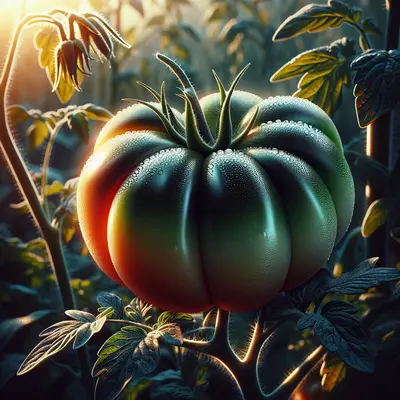
A diverse collection of open-pollinated beefsteak varieties offering an array of colors, flavors, and sizes in one packet. Each plant produces massive, ribbed fruits perfect for slicing, with flavors ranging from sweet to complex and tangy. Save seeds to continue growing your favorites year after year.
Harvest
80-95d
Days to harvest
Sun
Full sun
Zones
10–10
USDA hardiness
Height
1-10 feet
Planting Timeline
Showing dates for Heirloom Beefsteak Mix in USDA Zone 7
All Zone 7 tomato →Zone Map
Click a state to update dates
Heirloom Beefsteak Mix · Zones 10–10
Growing Details
Complete Growing Guide
Growing Heirloom Beefsteak Mix requires patience and strategic support due to their variable maturity window of 80–95 days and substantial final height. Plant seedlings outdoors only after soil reaches 65°F, as these open-pollinated varieties are sensitive to cool conditions and will stall if transplanted too early. Provide sturdy, tall cages or stakes before planting, since the unpredictable height range means some plants may exceed 8 feet and require heavy-duty support for their massive fruits. These heirlooms are prone to cracking and splitting from inconsistent watering—maintain even soil moisture throughout the season rather than alternating between wet and dry cycles. Watch closely for early blight and septoria leaf spot, common in older varieties; improve air circulation with strategic pruning and avoid overhead watering. One essential tip: hand-pollinate flowers during cool mornings with a vibrating tool or gentle brush, as the genetic diversity in the mix sometimes results in variable fruit set. Save seeds only from your best-performing plants to refine the collection over successive seasons.
Light: Full sun (6 or more hours of direct sunlight a day). Soil: Clay, High Organic Matter, Loam (Silt), Sand. Soil pH: Acid (<6.0), Neutral (6.0-8.0). Drainage: Good Drainage, Moist. Height: 1 ft. 0 in. - 10 ft. 0 in.. Spread: 1 ft. 0 in. - 4 ft. 0 in.. Spacing: 3 feet-6 feet. Growth rate: Rapid. Maintenance: High. Propagation: Seed. Regions: Coastal, Mountains, Piedmont.
Harvesting
Harvest Heirloom Beefsteak Mix tomatoes when they reach full varietal color—whether deep crimson, orange, pink, or striped—and yield slightly to gentle palm pressure, indicating peak juice content and flavor development. These massive fruits typically weigh one to two pounds at maturity and should detach easily from the vine with a slight twist. Practice continuous harvesting throughout the season rather than waiting for all fruits to ripen simultaneously, as this encourages the plant to set and develop additional clusters. For best flavor complexity, pick fruits in early morning after dew dries but before afternoon heat peaks, which preserves the delicate balance of sugars and acids that define heirloom beefsteak character.
The fruits are smooth, shiny, glossy, and are classified as berries. The size, shape, and color will vary depending on the variety or cultivar. The color of the fruits may be red, yellow, orange, green, purple, or pink. The fruits may contain over 100 yellow to light brown seeds.
Color: Gold/Yellow, Green, Orange, Pink, Purple/Lavender, Red/Burgundy, Variegated. Type: Berry. Length: > 3 inches. Width: > 3 inches.
Garden value: Edible, Showy
Harvest time: Fall, Summer
Edibility: The fruits or berries of the tomato are edible. They may be eaten raw, cooked, dried, or processed. They are a rich source of Vitamin A, Vitamin C, folic acid, and antioxidants. Lycopene is an antioxidant that gives the tomato its rich red color. Many plants will drop fruit when ripe or the fruit will come off easily. Tomatoes will continue to ripen once picked. Store them at room temperature.
Storage & Preservation
Store freshly harvested Heirloom Beefsteak Mix tomatoes at room temperature away from direct sunlight until fully ripe—refrigeration below 55°F damages flavor and texture. Once ripe, they'll keep for three to five days at room temperature, or up to two weeks if refrigerated after reaching peak ripeness. Use shallow containers with good air circulation to prevent bruising.
For preservation, freezing works well for cooked applications: blanch, peel, and freeze whole or crushed for winter sauces and soups. Canning as sauce or salsa is reliable; follow tested USDA guidelines for safety. Sun-drying or oven-drying concentrates the complex flavors these varieties are prized for, yielding intensely flavored dried tomatoes perfect for winter cooking.
Because these heirlooms vary considerably in sugar content and acidity within a single planting, taste your batch before canning to ensure proper acid balance—add lemon juice or vinegar as needed.
History & Origin
Beefsteak tomatoes emerged as a distinct type in the late nineteenth century, bred for their large, deeply ribbed fruits ideal for slicing rather than canning. The "Heirloom Beefsteak Mix" represents a modern seed company compilation rather than a single heirloom variety with documented provenance. It assembles multiple open-pollinated beefsteak cultivars—likely including heritage varieties such as Brandywine, Mortgage Lifter, and others—into one diverse packet. While the individual parent varieties carry rich histories from American farms and European gardens, the specific mix itself lacks the traceable genealogy of traditional heirlooms. This approach allows home gardeners to experiment with multiple beefsteak types simultaneously while maintaining seed-saving capabilities across the collection.
Origin: Peru
Advantages
- +Diverse flavor profiles in one packet satisfy multiple taste preferences
- +Open-pollinated seeds allow saving for consistent future harvests
- +Massive ribbed fruits provide excellent yields for slicing and cooking
- +Variable colors create visually striking garden and plate presentations
Considerations
- -80-95 day maturity requires long growing seasons in cool climates
- -Moderate-challenging difficulty demands experience with disease and pest management
- -Susceptibility to late blight and early blight in humid conditions
- -Large fruits need sturdy support structures and careful pruning techniques
Companion Plants
Basil pulls its weight here mostly through chemistry. The volatile oils in basil — linalool and eugenol — appear to disrupt aphid host-location, making it harder for them to zero in on your plants. Set it 12–18 inches from the tomato stems so the root zones don't crowd each other. French marigolds (Tagetes patula) are worth planting for a different reason: alpha-terthienyl produced in their roots suppresses root-knot nematodes in the surrounding soil. That matters especially with heirloom beefsteaks, which — as NC State Extension points out — often lack the nematode tolerance that was bred into disease-coded hybrid varieties over the last 50 years. Nasturtiums work as a trap crop rather than a repellent — aphid populations will drift toward them and concentrate there, which at least gives you one target to deal with instead of ten.
Carrots and parsley fit in the same bed without much friction. Their root depth doesn't seriously compete with tomato roots, and they don't share the major fungal diseases that move through Solanaceae. Chives show up on companion lists regularly, and while the aphid-deterrence claim is mostly observational, they're not hurting anything at the edge of the bed.
Fennel is a harder problem than most people expect. It produces anethole, an allelopathic compound that genuinely suppresses the growth of most vegetables nearby — give it its own container well away from your tomatoes, not just a few feet of separation. Brassicas are a resource conflict: heavy nitrogen feeders planted within the 36–48 inch spacing zone will pull from the same pool your beefsteaks depend on, and the crowding sets up the low-airflow conditions that early blight (Alternaria solani) needs to get started. Black walnut produces juglone, which is directly toxic to tomatoes — a wilted, yellowing plant within 50–60 feet of a walnut tree often has juglone as the culprit, not a pathogen.
Plant Together
Basil
Repels aphids and whiteflies, may improve tomato flavor
Marigolds
Repel nematodes, aphids, and other harmful insects
Carrots
Help break up soil for tomato roots, don't compete for nutrients
Parsley
Attracts beneficial insects and doesn't compete for space
Chives
Repel aphids and may improve tomato growth and flavor
Nasturtiums
Act as trap crop for aphids and cucumber beetles
Lettuce
Provides ground cover and can be harvested before tomatoes need full space
Oregano
Repels pests and may enhance tomato flavor
Keep Apart
Black Walnut
Releases juglone which is toxic to tomatoes and causes wilting
Fennel
Inhibits growth of tomatoes through allelopathic compounds
Brassicas
Compete for nutrients and may stunt tomato growth
Corn
Both are heavy feeders competing for nutrients, corn attracts tomato fruitworm
Nutrition Facts
Per 100g serving. % Daily Value based on 2,000 calorie diet. Source: USDA FoodData Central (FDC #321360)
Pests & Disease Resistance
Resistance
Limited resistance; prone to cracking and splitting in wet weather
Common Pests
Tomato hornworm, cutworms, aphids, stink bugs
Diseases
Late blight, early blight, fusarium wilt, bacterial canker
Troubleshooting Heirloom Beefsteak Mix
What you'll see, why it happens, and what to do about it.
Dark, water-soaked blotches on leaves and stems, sometimes with white fuzzy growth on leaf undersides, spreading fast in cool wet weather
Likely Causes
- Late blight (Phytophthora infestans) — airborne spores travel on wind and can move through an entire planting in 3–5 days under cool, humid conditions
- Overhead watering or prolonged rain keeping foliage wet for extended periods
What to Do
- 1.Pull and bag affected plants immediately — don't compost them, and don't let them sit on the soil surface
- 2.Switch to drip irrigation or water at the base only; foliage that stays wet past noon is a liability
- 3.NC State Extension notes that heirloom varieties lack the disease resistance bred into modern hybrids — consider grafting onto resistant rootstock if late blight has hit your garden in back-to-back seasons
Lower leaves developing yellow patches that turn brown with concentric rings (bullseye pattern), starting around 40–50 days after transplant
Likely Causes
- Early blight (Alternaria solani) — a soil-borne fungus that splashes onto foliage during rain or overhead irrigation
- Dense planting that blocks airflow between plants at the 36–48 inch spacing minimum
What to Do
- 1.Strip the affected lower leaves and throw them in the trash, not the compost pile
- 2.Lay 3–4 inches of straw mulch around the base of each plant to stop spore splash from the soil surface
- 3.NC State Extension's IPM guidance recommends rotating nightshades out of a bed for at least 3–4 years; for persistent tomato diseases, they suggest 5–7 years
One or more plants wilting and collapsing, with brown or discolored vascular tissue visible when you cut the stem crosswise near the base
Likely Causes
- Fusarium wilt (Fusarium oxysporum f. sp. lycopersici) — a soil-borne fungus that clogs the plant's water-conducting tissue from the roots up
- Bacterial canker (Clavibacter michiganensis) — produces similar vascular browning but often with white, pithy stem interiors and tan streaking
What to Do
- 1.Dig up and destroy the affected plant including the roots — don't leave them in the bed or pile them near other nightshades
- 2.NC State Extension points out that heirloom tomatoes commonly lack resistance to soil-borne pathogens; grafting onto resistant rootstock (see NC State AG-675 by Rivard and Louws) is a practical long-term fix for repeat plantings
- 3.Skip replanting tomatoes or other nightshades in that spot for at least 3–4 seasons; containers with bagged potting mix kept off native soil sidestep the problem entirely
Large irregular chunks eaten out of fruit or foliage; fat green caterpillars up to 4 inches long on stems, with a red or black horn at the rear
Likely Causes
- Tomato hornworm (Manduca quinquemaculata) — sphinx moth larvae that can strip a plant of foliage within a week if undetected
- Dark green pellet frass on leaves below the feeding site is often the first sign before you spot the caterpillar itself
What to Do
- 1.Hand-pick — they're large enough to find if you work through the stems slowly; drop them in soapy water
- 2.UGA's Vegetable Garden Calendar lists hornworm among the top 10 garden pests and stresses early detection; check plants every 2–3 days through the peak of summer
- 3.If a hornworm is studded with small white rice-shaped cocoons, leave it — those are braconid wasp pupae, and those wasps will patrol your garden next season
Frequently Asked Questions
How long does heirloom beefsteak mix take to grow?▼
Can you grow heirloom beefsteak mix in containers?▼
What does heirloom beefsteak mix taste like?▼
Is heirloom beefsteak mix good for beginners?▼
When should I plant heirloom beefsteak mix?▼
How do you prevent heirloom beefsteak tomatoes from cracking?▼
Zone-by-Zone Planting Calendar
| Zone | Indoor Start | Transplant | Direct Sow | Harvest |
|---|---|---|---|---|
| Zone 1 | May – May | July – August | — | October – August |
| Zone 2 | April – May | June – July | — | September – September |
| Zone 11 | January – January | January – February | — | April – June |
| Zone 12 | January – January | January – February | — | April – June |
| Zone 13 | January – January | January – February | — | April – June |
| Zone 3 | April – April | June – July | — | September – October |
| Zone 4 | March – April | June – June | — | September – October |
| Zone 5 | March – March | May – June | — | August – October |
| Zone 6 | March – March | May – June | — | August – October |
| Zone 7 | February – March | April – May | — | July – September |
| Zone 8 | February – February | April – May | — | July – September |
| Zone 9 | January – January | March – April | — | June – August |
| Zone 10 | January – January | February – March | — | May – July |
Growing Guides from Wind River Greens
Sources & References
External authority sources used in compiling this guide.
See the Methodology page for how this data is sourced, what's AI-assisted, and known limitations.