Grape Tomato Red
Solanum lycopersicum var. cerasiforme 'Grape Red'
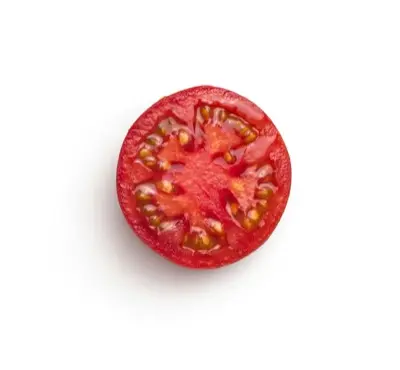
These bite-sized elongated tomatoes are sweeter and meatier than traditional cherry varieties, with incredible keeping quality. Perfect for snacking, lunch boxes, and salads with their crisp texture and concentrated flavor. Extremely productive plants that keep producing until frost.
Harvest
65-75d
Days to harvest
Sun
Full sun
Zones
10–11
USDA hardiness
Height
1-10 feet
Planting Timeline
Showing dates for Grape Tomato Red in USDA Zone 7
All Zone 7 tomato →Zone Map
Click a state to update dates
Grape Tomato Red · Zones 10–11
Growing Details
Complete Growing Guide
The concentrated sugars and extended harvest season of Grape Tomato Red demand consistent watering and feeding through frost, making drip irrigation ideal for preventing the fruit cracking that plagues sweeter varieties during irregular moisture cycles. Plant these indeterminate vines with sturdy support systems, as their prolific branching creates heavier fruit loads than cherry types; the meatier structure means they need 70–75 days to develop full sweetness, so start seeds 8–10 weeks before your last frost for peak flavor. While generally disease-resistant, the dense foliage benefits from careful pruning of lower leaves to improve air circulation and reduce early blight pressure in humid climates. A practical strategy: harvest clusters slightly underripe and ripen them indoors during cool fall weather to concentrate sugars further, extending your season while preventing losses to late-season fungal issues that accelerate on the vine after frost threatens.
Light: Full sun (6 or more hours of direct sunlight a day). Soil: Clay, High Organic Matter, Loam (Silt), Sand. Soil pH: Acid (<6.0), Neutral (6.0-8.0). Drainage: Good Drainage, Moist. Height: 1 ft. 0 in. - 10 ft. 0 in.. Spread: 1 ft. 0 in. - 4 ft. 0 in.. Spacing: 3 feet-6 feet. Growth rate: Rapid. Maintenance: High. Propagation: Seed. Regions: Coastal, Mountains, Piedmont.
Harvesting
Grape Tomato Red reaches peak harvest readiness when the fruits develop a deep, uniform crimson color throughout—avoid picking any that retain green shoulders, as they won't ripen further off the vine. The tomatoes should feel slightly yielding to gentle pressure but remain firm enough to handle without bruising, and they'll reach their ideal elongated size of roughly one inch long. This cultivar produces continuously rather than in single flushes, so plan for regular harvesting every two to three days during peak season to encourage continued flowering and fruit set on the plant. For optimal flavor concentration, pick fruits in the early morning after the dew dries but before afternoon heat, as this timing preserves their natural sweetness and extends their impressive keeping quality for several weeks.
The fruits are smooth, shiny, glossy, and are classified as berries. The size, shape, and color will vary depending on the variety or cultivar. The color of the fruits may be red, yellow, orange, green, purple, or pink. The fruits may contain over 100 yellow to light brown seeds.
Color: Gold/Yellow, Green, Orange, Pink, Purple/Lavender, Red/Burgundy, Variegated. Type: Berry. Length: > 3 inches. Width: > 3 inches.
Garden value: Edible, Showy
Harvest time: Fall, Summer
Edibility: The fruits or berries of the tomato are edible. They may be eaten raw, cooked, dried, or processed. They are a rich source of Vitamin A, Vitamin C, folic acid, and antioxidants. Lycopene is an antioxidant that gives the tomato its rich red color. Many plants will drop fruit when ripe or the fruit will come off easily. Tomatoes will continue to ripen once picked. Store them at room temperature.
Storage & Preservation
Store freshly harvested Grape Tomato Red at room temperature away from direct sunlight if eating within a few days, or refrigerate at 50–55°F with moderate humidity (65–70%) in a paper bag to extend shelf life to 1–2 weeks. Avoid the coldest part of your fridge, as chilling below 50°F damages flavor and texture in this variety.
Fresh fruit keeps 3–5 days at room temperature depending on ripeness. For preservation, freezing works well for cooking applications—simply halve and freeze on a tray, then bag—though texture softens, making them ideal for sauces. Drying capitalizes on this variety's concentrated sweetness and low acidity; halve lengthwise and dry at 200°F until leathery (8–12 hours) for intense snacking tomatoes or powder. Canning is possible but less common for small cherry types. Because these tomatoes are naturally sweet with balanced acidity, they dry exceptionally well without additional seasoning, yielding candy-like results.
History & Origin
The Grape Tomato Red belongs to the cerasiforme lineage, a group of small-fruited tomato varieties with deep historical roots in Central and South America. While specific breeder attribution and introduction year remain poorly documented in widely available sources, grape tomatoes emerged as a commercial category in the early 2000s through seed companies seeking alternatives to standard cherry tomatoes. This variety likely represents selective breeding within existing cerasiforme germplasm, emphasizing the elongated shape, sweetness, and extended shelf life that distinguish modern grape tomatoes. The concentrated flavor and productivity suggest contributions from both heirloom cerasiforme genetics and contemporary breeding techniques aimed at commercial home-garden appeal.
Origin: Peru
Advantages
- +Bite-sized elongated fruits perfect for snacking and lunch boxes
- +Sweeter and meatier than traditional cherry tomato varieties
- +Excellent keeping quality means longer storage and less waste
- +Extremely productive plants producing continuously until first frost
- +Crisp texture with concentrated flavor ideal for fresh salads
Considerations
- -Susceptible to early blight and late blight fungal diseases
- -Vulnerable to common pests including aphids, whiteflies, and spider mites
- -Prone to fusarium wilt which can devastate plants mid-season
Companion Plants
Basil planted 12–18 inches from the base of each tomato is worth the space — its volatile oils (linalool, estragole) are said to deter aphids and thrips, and frankly, having it arm's reach away at harvest is reason enough on its own. Marigolds, specifically Tagetes patula (the French type, not the big African ones), earn their row space because their roots release thiophene compounds that suppress root-knot nematodes in the surrounding soil. In a bed you've run tomatoes through for two or three seasons, that matters more than any above-ground pest benefit. Nasturtiums work as a trap crop — aphid colonies pile onto them and leave your grape tomatoes alone, which makes scouting and squishing a lot easier.
The companions to cut are less flexible. Black walnut (Juglans nigra) produces juglone from its roots, and tomatoes are among the most sensitive vegetables to it — keep them well outside the tree's drip zone. Fennel is broadly allelopathic and does particularly poorly next to tomatoes; in our zone 7 Georgia gardens, where it can overwinter and quietly spread, the safest move is keeping it out of the vegetable beds entirely. Brassicas compete hard for calcium and can carry over clubroot (Plasmodiophora brassicae), which complicates your rotation for seasons afterward.
Plant Together
Basil
Repels aphids and whiteflies, may improve flavor
Marigold
Deters nematodes and attracts beneficial insects
Nasturtium
Acts as trap crop for aphids and cucumber beetles
Carrots
Helps break up soil and doesn't compete for nutrients
Parsley
Attracts beneficial insects like hoverflies and parasitic wasps
Peppers
Similar growing requirements and pest management needs
Borage
Repels tomato hornworms and may improve flavor
Chives
Repels aphids and may help prevent fungal diseases
Keep Apart
Black Walnut
Produces juglone which is toxic to tomatoes
Fennel
Inhibits growth of most garden plants through allelopathy
Brassicas
Can stunt tomato growth and compete for nutrients
Corn
Both attract corn earworm/tomato fruitworm
Nutrition Facts
Per 100g serving. % Daily Value based on 2,000 calorie diet. Source: USDA FoodData Central (FDC #321360)
Pests & Disease Resistance
Resistance
Good general disease tolerance, crack resistant
Common Pests
Aphids, whiteflies, spider mites
Diseases
Early blight, late blight, fusarium wilt
Troubleshooting Grape Tomato Red
What you'll see, why it happens, and what to do about it.
Large gray-green patches spreading across foliage fast — whole stems collapsing within a few days, sometimes with dark water-soaked spots on fruit
Likely Causes
- Late blight (Phytophthora infestans) — NC State Extension's PDIC actively monitors this one because it moves fast and the timing varies year to year in North Carolina and Georgia
- Wet, humid stretches in July–August that keep foliage damp overnight
What to Do
- 1.Pull and bag affected plants immediately — don't compost them, don't leave them in the bed
- 2.Apply a copper-based fungicide (copper octanoate or copper hydroxide) on remaining plants at first sign; reapply every 7–10 days if rain continues
- 3.NC State Extension recommends rotating nightshades out of that bed for at least 3–4 years; for late blight specifically, moving the planting site entirely is the stronger option
Plant wilts suddenly and doesn't recover overnight, even with adequate water — stems look fine from the outside
Likely Causes
- Fusarium wilt (Fusarium oxysporum f. sp. lycopersici) — a soilborne fungus that clogs vascular tissue; cut the stem near the base and look for brown discoloration inside
- Root-knot nematodes (Meloidogyne spp.) causing root damage that mimics wilt symptoms
What to Do
- 1.Dig up and destroy affected plants including the roots — NC State Extension is clear that these organisms persist in soil for years
- 2.Grow tomatoes in containers with fresh potting mix if your bed has a history of wilt; keep container soil from touching native soil
- 3.Next rotation, choose a hybrid with 'F' (Fusarium) or 'N' (nematode) resistance codes on the label — this Grape Red hybrid may already carry some, so check the seed packet
Frequently Asked Questions
How long do grape tomato red plants take to produce fruit?▼
Can you grow grape tomato red in containers?▼
What's the difference between grape tomatoes and cherry tomatoes?▼
Are grape tomato red plants good for beginner gardeners?▼
When should I plant grape tomato red seeds?▼
How much space do grape tomato red plants need?▼
Zone-by-Zone Planting Calendar
| Zone | Indoor Start | Transplant | Direct Sow | Harvest |
|---|---|---|---|---|
| Zone 3 | April – April | June – July | — | August – October |
| Zone 4 | March – April | June – June | — | August – October |
| Zone 5 | March – March | May – June | — | August – October |
| Zone 6 | March – March | May – June | — | July – September |
| Zone 7 | February – March | April – May | — | July – September |
| Zone 8 | February – February | April – May | — | June – August |
| Zone 9 | January – January | March – April | — | May – July |
| Zone 10 | January – January | February – March | — | May – July |
| Zone 1 | May – May | July – August | — | September – August |
| Zone 2 | April – May | June – July | — | September – September |
| Zone 11 | January – January | January – February | — | April – June |
| Zone 12 | January – January | January – February | — | April – June |
| Zone 13 | January – January | January – February | — | April – June |
Growing Guides from Wind River Greens
Sources & References
External authority sources used in compiling this guide.
See the Methodology page for how this data is sourced, what's AI-assisted, and known limitations.