German Red Strawberry
Solanum lycopersicum 'German Red Strawberry'
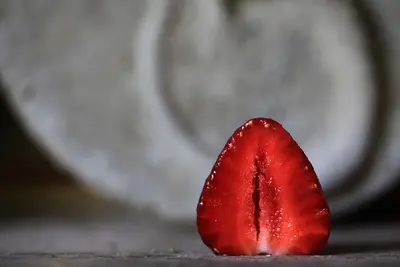
A unique heirloom variety that produces heart-shaped, ribbed fruits resembling oversized strawberries with an unforgettable sweet, fruity flavor. This conversation-starting tomato has been treasured by seed savers for generations and delivers both visual appeal and exceptional taste that sets it apart from conventional varieties.
Harvest
80-85d
Days to harvest
Sun
Full sun
Zones
10–10
USDA hardiness
Height
1-10 feet
Planting Timeline
Showing dates for German Red Strawberry in USDA Zone 7
All Zone 7 tomato →Zone Map
Click a state to update dates
German Red Strawberry · Zones 10–10
Growing Details
Succession Planting
German Red Strawberry is an indeterminate heirloom that keeps setting fruit until frost kills it, so succession planting doesn't apply here the way it does for lettuce or radishes. One transplant per spot, per season. In zone 7, set starts out in April to May after last frost, and the plants will carry through to your September harvest window on their own.
Complete Growing Guide
Begin seeds indoors six to eight weeks before your region's last frost date, as German Red Strawberry requires 80 to 85 days to reach full maturity. Sow seeds directly into moist seed-starting mix, pressing them lightly into the surface without covering, since tomato seeds need light to germinate. Maintain soil temperatures between 70 and 80 degrees Fahrenheit, and expect sprouting within 7 to 10 days. Once seedlings emerge, provide 14 to 16 hours of bright light daily using grow lights positioned just above the foliage. Harden off transplants over 7 to 10 days before moving them outdoors after all danger of frost has passed.
Space German Red Strawberry plants 24 to 36 inches apart in full sun—this variety demands at least six to eight hours of direct sunlight daily to develop its signature sweet, fruity flavor and to minimize disease pressure. Prepare soil by mixing in 2 to 3 inches of compost or aged manure, and ensure the bed drains well; this variety is particularly susceptible to blossom-end rot when calcium uptake is inconsistent. Plant slightly deeper than the nursery pot, burying the stem up to the first true leaves to encourage stronger root development. Add calcium-rich amendments like crushed eggshells or gypsum to the planting hole.
Water deeply and consistently, providing 1 to 1.5 inches of water per week through drip irrigation or soaker hoses rather than overhead watering, which promotes late blight. German Red Strawberry's distinctive ribbed fruits can crack badly when watering is irregular, so maintain steady moisture levels throughout the growing season. Feed every three weeks with a balanced fertilizer once flowering begins, then switch to a lower-nitrogen formula to encourage fruiting rather than excessive foliage.
Watch vigilantly for tomato hornworms, which can defoliate this variety quickly and reduce sugar development in the heart-shaped fruits. Hand-pick hornworms in early morning, or use Bacillus thuringiensis for larger infestations. Aphids and whiteflies cluster on young growth; spray with insecticidal soap if populations explode. Because German Red Strawberry is prone to both blossom-end rot and late blight, maintain that consistent watering schedule and ensure excellent air circulation by pruning lower suckers and removing lower leaves once the plant is established.
Prune this indeterminate variety moderately, removing only suckers between the main stem and branches to keep plants manageable between 6 and 10 feet. Trellising or staking is essential for managing sprawl and improving airflow around those attractive ribbed fruits. One critical mistake gardeners make is assuming the heart-shaped, strawberry-like appearance means German Red Strawberry is a determinate bush variety—it's actually vigorous and indeterminate, requiring sturdy support structures and regular maintenance throughout the season. This distinction ensures you'll harvest those unforgettable sweet fruits consistently rather than battling disease-laden, tangled growth.
Harvesting
Harvest German Red Strawberry tomatoes when they display a deep crimson-red color throughout, achieve their characteristic heart shape with pronounced ribbing, and feel slightly soft to gentle pressure—indicators that sugars have fully developed and acidity has mellowed. These indeterminate plants produce continuously throughout the season rather than in a single flush, rewarding frequent picking every two to three days during peak production. For optimal flavor, pick fruits in early morning after dew dries but before heat peaks, as cooler temperatures preserve the delicate sweet, fruity notes that distinguish this heirloom variety.
The fruits are smooth, shiny, glossy, and are classified as berries. The size, shape, and color will vary depending on the variety or cultivar. The color of the fruits may be red, yellow, orange, green, purple, or pink. The fruits may contain over 100 yellow to light brown seeds.
Color: Gold/Yellow, Green, Orange, Pink, Purple/Lavender, Red/Burgundy, Variegated. Type: Berry. Length: > 3 inches. Width: > 3 inches.
Garden value: Edible, Showy
Harvest time: Fall, Summer
Edibility: The fruits or berries of the tomato are edible. They may be eaten raw, cooked, dried, or processed. They are a rich source of Vitamin A, Vitamin C, folic acid, and antioxidants. Lycopene is an antioxidant that gives the tomato its rich red color. Many plants will drop fruit when ripe or the fruit will come off easily. Tomatoes will continue to ripen once picked. Store them at room temperature.
Storage & Preservation
Harvest German Red Strawberries when fully colored and slightly soft to the touch, then store at room temperature away from direct sunlight if eating within two to three days. For longer storage, refrigerate at 50–55°F in a breathable container; they'll keep for up to a week, though flavor is best when consumed fresh. These tomatoes freeze well for sauces and soups—simply core, quarter, and freeze on a tray before bagging. They're also excellent candidates for slow drying, which intensifies their berry-like sweetness; halve them lengthwise and dehydrate at 135°F until leathery. Canning is possible using standard hot-pack methods, though the low acidity means you'll need to add lemon juice or citric acid for safety. Given their delicate flavor profile, consider that cooking mellows their distinctive fruity notes; reserve your finest fruits for fresh use and use slightly overripe ones for preservation.
History & Origin
The German Red Strawberry's origins remain somewhat obscured in historical records, though it is widely recognized as a European heirloom variety with deep roots in German seed-saving traditions. Like many heirloom tomatoes, its exact breeding lineage and introduction date are not well documented, likely owing to its development within family gardens and local agricultural communities rather than commercial breeding programs. The variety represents the broader heritage of Central European tomato cultivation, where distinctive shapes and flavors were preserved and exchanged among gardeners across generations. Its preservation through seed saving networks has maintained the variety into contemporary times, though comprehensive historical documentation of its original breeder or specific region of origin remains unavailable.
Origin: Peru
Advantages
- +Heart-shaped, ribbed fruits create stunning visual appeal and conversation starter potential.
- +Sweet, fruity flavor with berry-like notes surpasses most conventional tomato varieties.
- +Low acidity makes this heirloom ideal for fresh eating and sauce applications.
- +80-85 day maturity allows reasonable harvest window in most growing regions.
- +Treasured heirloom status makes seeds easy to save for future seasons.
Considerations
- -Susceptible to blossom end rot requiring consistent calcium and moisture management.
- -Fruits prone to cracking in wet conditions, reducing marketability and storage.
- -Vulnerable to late blight and fusarium wilt, demanding careful disease prevention.
- -Moderate difficulty rating means less forgiving than mainstream, hybridized tomato varieties.
Companion Plants
Basil planted 12–18 inches from the base of each tomato does real work against whiteflies and aphids, and in a zone 7 Georgia garden where both pests show up reliably by mid-July, that matters. Marigolds — Tagetes patula specifically, not the big African types — are worth a border row; they suppress root-knot nematodes in the soil and their scent disrupts thrips above ground. Nasturtiums at the bed perimeter act as a trap crop, drawing aphids away from the tomatoes before they colonize. Carrots slot in cleanly between plants because their roots run 8–12 inches deep, well below where tomato feeder roots compete.
Fennel is the one to keep on the far side of the property — it produces allelopathic compounds that stunt tomatoes, and it self-seeds so freely that a single plant becomes a recurring problem within two seasons. Brassicas compete hard for nitrogen and share enough pest pressure (thrips, aphids) that planting them adjacent just concentrates your headaches in one spot. Black walnut is a flat no; juglone toxicity will kill tomatoes outright, and the root zone of a mature tree extends 50–60 feet from the trunk.
Plant Together
Basil
Repels aphids and whiteflies, may improve tomato flavor
Marigolds
Repel nematodes and other soil pests, attract beneficial insects
Carrots
Help break up soil, don't compete for nutrients, can be harvested before tomatoes need full space
Parsley
Attracts beneficial insects like hoverflies and parasitic wasps
Nasturtiums
Act as trap crop for aphids and cucumber beetles, repel whiteflies
Chives
Repel aphids and may improve tomato flavor and growth
Oregano
Repels various pests and may enhance tomato flavor
Lettuce
Provides ground cover, conserves moisture, can be harvested early
Keep Apart
Black Walnut
Releases juglone which is toxic to tomatoes and causes wilting
Fennel
Inhibits growth of tomatoes through allelopathic compounds
Brassicas (Cabbage family)
Compete for similar nutrients and may stunt tomato growth
Corn
Both attract corn earworm, creating increased pest pressure
Nutrition Facts
Per 100g serving. % Daily Value based on 2,000 calorie diet. Source: USDA FoodData Central (FDC #167762)
Pests & Disease Resistance
Resistance
Typical heirloom susceptibility to diseases, prone to cracking in wet weather
Common Pests
Tomato hornworm, aphids, whiteflies
Diseases
Blossom end rot, cracking, late blight, fusarium wilt
Troubleshooting German Red Strawberry
What you'll see, why it happens, and what to do about it.
Dark, leathery sunken patch on the bottom of fruit, usually showing up as the tomato starts to size up
Likely Causes
- Blossom end rot — calcium not reaching the developing fruit due to uneven soil moisture
- Inconsistent watering (wet-dry-wet cycles), which shuts down calcium uptake even when Ca is present in the soil
What to Do
- 1.Water deeply and consistently — German Red Strawberry needs high, steady moisture; let the soil dry out and you're asking for this
- 2.Mulch 3–4 inches deep with straw to buffer moisture swings between rain events
- 3.Check soil pH; if it's below 6.2, calcium availability drops — lime to bring it into the 6.2–6.8 range before next season
Fruit skin splits or cracks radially from the stem end after a heavy rain or a big watering following a dry spell
Likely Causes
- Rapid water uptake after drought stress — the flesh expands faster than the skin can stretch
- Irregular irrigation schedule, especially common on large beefsteak-type fruits like this one
What to Do
- 1.Keep soil moisture as even as possible with drip irrigation or a consistent hand-watering schedule — don't let the bed go bone dry between waterings
- 2.Harvest fruit at first blush of color and let it ripen on the counter; cracking almost always happens on the vine
- 3.Lay 3–4 inches of straw or shredded leaf mulch over the root zone to slow the soil moisture swings that trigger this
Large patches of foliage turning gray-green and withering fast — sometimes overnight — with dark, water-soaked spots appearing on fruit
Likely Causes
- Late blight (Phytophthora infestans) — NC State Extension flags this as a destructive, monitored disease in the Southeast; wet, cool stretches in late summer are prime conditions and timing varies year to year
- Dense planting that traps humidity around the foliage
What to Do
- 1.Remove and bag affected plant material immediately — do not compost it
- 2.Apply a copper-based fungicide at the first sign of symptoms; late blight moves fast and waiting costs you the plant
- 3.Space plants at least 24–36 inches apart and stake or cage aggressively to keep foliage off the ground and airflow moving through the canopy
One or more plants wilting during the day even when soil moisture is adequate, with no obvious stem damage above ground
Likely Causes
- Fusarium wilt (Fusarium oxysporum f. sp. lycopersici) — soilborne fungus; cut the stem near the base and look for brown vascular discoloration inside
- Southern bacterial wilt (Ralstonia solanacearum) — also soilborne, also causes sudden collapse; NC State Extension notes grafted tomatoes can be tried as a mitigation strategy
- Root-knot nematodes — check roots for small, hard galls
What to Do
- 1.Dig up and remove the entire plant including as much root mass as you can — bag it and trash it, don't compost it
- 2.NC State Extension recommends rotating tomatoes out of an affected bed for 5–7 years for some soilborne diseases; if your garden is small, grow in containers with fresh potting mix that has no contact with native soil
- 3.German Red Strawberry is an heirloom with no built-in resistance to soilborne diseases — NC State notes this is a known tradeoff with heirlooms; grafting onto a resistant rootstock is an option if you need to keep running the same bed
Frequently Asked Questions
How long does German Red Strawberry tomato take to grow?▼
Can you grow German Red Strawberry tomatoes in containers?▼
What does German Red Strawberry tomato taste like?▼
Is German Red Strawberry tomato good for beginners?▼
Why do German Red Strawberry tomatoes crack?▼
When should I plant German Red Strawberry tomato seeds?▼
Zone-by-Zone Planting Calendar
| Zone | Indoor Start | Transplant | Direct Sow | Harvest |
|---|---|---|---|---|
| Zone 3 | April – April | June – July | — | September – October |
| Zone 4 | March – April | June – June | — | September – October |
| Zone 5 | March – March | May – June | — | August – October |
| Zone 6 | March – March | May – June | — | August – October |
| Zone 7 | February – March | April – May | — | July – September |
| Zone 8 | February – February | April – May | — | July – September |
| Zone 9 | January – January | March – April | — | June – August |
| Zone 10 | January – January | February – March | — | May – July |
| Zone 1 | May – May | July – August | — | October – August |
| Zone 2 | April – May | June – July | — | September – September |
| Zone 11 | January – January | January – February | — | April – June |
| Zone 12 | January – January | January – February | — | April – June |
| Zone 13 | January – January | January – February | — | April – June |
Growing Guides from Wind River Greens
Sources & References
External authority sources used in compiling this guide.
See the Methodology page for how this data is sourced, what's AI-assisted, and known limitations.