Early Girl
Solanum lycopersicum
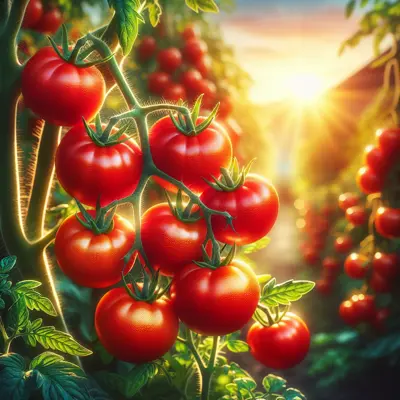
A longtime early favorite, Early Girl produces heavy yields of full-flavored, 4-6 oz. tomatoes. One of the first varieties to ripen each year. Also prized for its performance as a "dry-farmed" tomato, owing to its extreme tolerance to drought and blossom end rot. Indeterminate.
Harvest
60d
Days to harvest
Sun
Full sun
Zones
10–11
USDA hardiness
Height
1-10 feet
Planting Timeline
Showing dates for Early Girl in USDA Zone 7
All Zone 7 tomato →Zone Map
Click a state to update dates
Early Girl · Zones 10–11
Growing Details
Succession Planting
Early Girl is an indeterminate hybrid that keeps setting fruit until frost shuts it down, so you don't succession-plant it the way you would lettuce or radishes. One planting per bed per season is the right call. In zone 7, transplant out between April and May after your last frost date, and the plants will carry through a July-to-September harvest window without any staggered sowing needed.
What you can do is start a few backup transplants indoors in late March, about 4-6 weeks after your first round, in case an early pest load or a late cold snap takes out a plant or two. UGA's vegetable calendar flags tomato hornworm as one of the top threats by May — early discovery matters — so having a replacement transplant ready lets you fill the gap without losing the whole season.
Complete Growing Guide
A longtime early favorite, Early Girl produces heavy yields of full-flavored, 4-6 oz. tomatoes. One of the first varieties to ripen each year. Also prized for its performance as a "dry-farmed" tomato, owing to its extreme tolerance to drought and blossom end rot. Indeterminate. According to Johnny's Selected Seeds, Early Girl is 60 days to maturity, hybrid (f1), indeterminate growth habit. Disease resistance includes Fusarium Wilt, Verticillium Wilt.
Light: Full sun (6 or more hours of direct sunlight a day). Soil: Clay, High Organic Matter, Loam (Silt), Sand. Soil pH: Acid (<6.0), Neutral (6.0-8.0). Drainage: Good Drainage, Moist. Height: 1 ft. 0 in. - 10 ft. 0 in.. Spread: 1 ft. 0 in. - 4 ft. 0 in.. Spacing: 3 feet-6 feet. Growth rate: Rapid. Maintenance: High. Propagation: Seed. Regions: Coastal, Mountains, Piedmont.
Harvesting
Early Girl reaches harvest at 60 days from sowing per Johnny's Selected Seeds. Expect 4-6 oz. at peak.
The fruits are smooth, shiny, glossy, and are classified as berries. The size, shape, and color will vary depending on the variety or cultivar. The color of the fruits may be red, yellow, orange, green, purple, or pink. The fruits may contain over 100 yellow to light brown seeds.
Color: Gold/Yellow, Green, Orange, Pink, Purple/Lavender, Red/Burgundy, Variegated. Type: Berry. Length: > 3 inches. Width: > 3 inches.
Garden value: Edible, Showy
Harvest time: Fall, Summer
Edibility: The fruits or berries of the tomato are edible. They may be eaten raw, cooked, dried, or processed. They are a rich source of Vitamin A, Vitamin C, folic acid, and antioxidants. Lycopene is an antioxidant that gives the tomato its rich red color. Many plants will drop fruit when ripe or the fruit will come off easily. Tomatoes will continue to ripen once picked. Store them at room temperature.
Storage & Preservation
Early Girl tomatoes store best at room temperature (68-72°F) away from direct sunlight, where they'll keep for 5-7 days. Avoid refrigeration, which degrades flavor and texture. For longer storage, place them in a single layer in a ventilated container or paper bag to allow air circulation.
Their balanced acidity makes them excellent candidates for canning—whole, crushed, or as sauce. Follow USDA guidelines for pressure canning to ensure safety. Freezing works well for cooking applications; simply core and freeze whole, or blanch and peel first. Drying concentrates their sweet-tart character into flavorful leather or chips. For sauces destined for preservation, their natural sugar content means you'll need less added sweetener than with less flavorful varieties, reducing overall processing time.
History & Origin
Early Girl is an F1 hybrid developed through controlled cross-pollination. Listed in the Johnny's Selected Seeds catalog.
Origin: Peru
Advantages
- +Produces full-flavored 4-6 oz tomatoes in just 60 days
- +Heavy yields make Early Girl excellent for home gardeners
- +Exceptional drought tolerance allows successful dry-farming without irrigation
- +Well-balanced sweet-tart flavor with good acidity satisfies most palates
- +Extreme resistance to blossom end rot reduces common calcium deficiencies
Considerations
- -Indeterminate vines require staking and ongoing pruning throughout season
- -Susceptible to early blight and late blight in humid climates
- -Multiple pest vulnerabilities including hornworms, aphids, and spider mites
Companion Plants
Basil and marigolds are the two I'd prioritize if bed space is tight. Basil sits at the same root depth without competing, and I'll be straight with you — I plant it mostly because I want fresh basil within arm's reach of the tomatoes, not because of the pest-confusion studies, which are mixed at best. Marigolds (Tagetes spp.) pull real weight at the bed edges: their roots produce alpha-terthienyl, a compound that suppresses soil nematodes, and the flowers draw in parasitic wasps that knock back aphid populations. Chives tucked into gaps seem to throw off aphids too, and nasturtiums planted nearby will load up with aphids before your tomatoes do — a trap crop that actually works, as long as you're willing to pull it once it's infested.
Keep fennel out entirely. It leaches allelopathic compounds from its roots that stunt most vegetables, and tomatoes are particularly sensitive. Brassicas are heavy nitrogen feeders competing for the same soil resources, and in our zone 7 Georgia gardens they're often still in the ground when early tomato transplants go in during April — that overlap is a real problem, not a theoretical one. Black walnut is the hardest no on this list: juglone from the roots moves through soil far enough to kill a tomato plant within a single season.
Plant Together
Basil
Repels aphids and whiteflies, may improve tomato flavor
Marigold
Deters nematodes and aphids with natural compounds
Carrots
Loosens soil for tomato roots, doesn't compete for space
Parsley
Attracts beneficial insects like hoverflies and parasitic wasps
Chives
Repels aphids and may reduce fungal diseases
Nasturtium
Acts as trap crop for aphids and cucumber beetles
Borage
Repels tomato hornworms and attracts pollinators
Lettuce
Benefits from tomato shade, efficient use of garden space
Keep Apart
Black Walnut
Produces juglone toxin that causes tomato wilt and stunting
Fennel
Inhibits growth through allelopathic compounds
Brassicas
Compete for nutrients and may stunt tomato growth
Corn
Both attract corn earworms and tomato hornworms
Nutrition Facts
Per 100g serving. % Daily Value based on 2,000 calorie diet. Source: USDA FoodData Central (FDC #321360)
Pests & Disease Resistance
Resistance
Fusarium Wilt races 1, 2 (High); Verticillium Wilt (High)
Common Pests
Tomato hornworm, aphids, cutworms, spider mites
Diseases
Early blight, late blight, bacterial speck, blossom end rot
Troubleshooting Early Girl
What you'll see, why it happens, and what to do about it.
Lower leaves developing dark brown bullseye-patterned spots, often starting 40-50 days after transplant, with yellowing around the spots
Likely Causes
- Early blight (Alternaria solani) — a soil-borne fungus that splashes up onto foliage during rain or overhead irrigation
- Crowded canopy blocking airflow, keeping foliage wet longer than it should
What to Do
- 1.Strip the affected leaves off and bin them — don't compost them
- 2.Lay 3-4 inches of straw mulch around the base to stop soil splash from reaching the lower leaves
- 3.NC State Extension recommends rotating nightshades out of a bed for at least 3-4 years; for some tomato diseases they note 5-7 years is more appropriate — mark the bed and plan accordingly
Large patches of foliage turning gray-green and collapsing quickly — sometimes overnight — with dark water-soaked spots appearing on the fruit
Likely Causes
- Late blight (Phytophthora infestans) — an oomycete pathogen that spreads fast in cool, wet weather and can wipe out a planting in days
- Nearby infected potato plantings, which share the same pathogen and act as a reservoir
What to Do
- 1.Remove and bag affected plant material immediately — do not compost it
- 2.NC State's Plant Disease and Insect Clinic monitors late blight pressure across the region; check their alerts before deciding to apply copper-based protectants
- 3.Keep tomatoes and potatoes out of the same bed the following season — P. infestans persists in soil and plant debris
Fruit developing a sunken, leathery brown-black patch on the blossom end, usually showing up on the first heavy set of fruit
Likely Causes
- Blossom end rot — calcium fails to reach the developing fruit when soil moisture swings wildly, even if soil calcium levels are adequate
- Irregular watering cycles (soil drying out then getting flooded) that disrupt calcium uptake through the roots
What to Do
- 1.Water consistently — Early Girl needs steady, high moisture once fruit sets; drip irrigation at the root zone beats overhead watering for keeping that moisture even
- 2.Mulch heavily to buffer the soil between rains and reduce evaporation during Georgia's dry summer stretches
- 3.Test soil pH and keep it between 6.0 and 6.8; calcium availability drops outside that range even when calcium is physically present in the soil
Frequently Asked Questions
How long does Early Girl take to grow from seed to harvest?▼
Can you grow Early Girl tomatoes in containers?▼
Is Early Girl good for beginners?▼
What does Early Girl tomato taste like?▼
Early Girl vs Celebrity tomato - what's the difference?▼
When should I plant Early Girl tomatoes?▼
Zone-by-Zone Planting Calendar
| Zone | Indoor Start | Transplant | Direct Sow | Harvest |
|---|---|---|---|---|
| Zone 3 | April – April | June – July | — | August – October |
| Zone 4 | March – April | June – June | — | August – October |
| Zone 5 | March – March | May – June | — | July – September |
| Zone 6 | March – March | May – June | — | July – September |
| Zone 7 | February – March | April – May | — | July – September |
| Zone 8 | February – February | April – May | — | June – August |
| Zone 9 | January – January | March – April | — | May – July |
| Zone 10 | January – January | February – March | — | May – July |
| Zone 1 | May – May | July – August | — | September – August |
| Zone 2 | April – May | June – July | — | September – September |
| Zone 11 | January – January | January – February | — | April – June |
| Zone 12 | January – January | January – February | — | April – June |
| Zone 13 | January – January | January – February | — | April – June |
Growing Guides from Wind River Greens
Sources & References
External authority sources used in compiling this guide.
- BreederJohnny's Selected Seeds
- USDAUSDA FoodData Central
See the Methodology page for how this data is sourced, what's AI-assisted, and known limitations.