Determinate Patio
Solanum lycopersicum 'Patio'
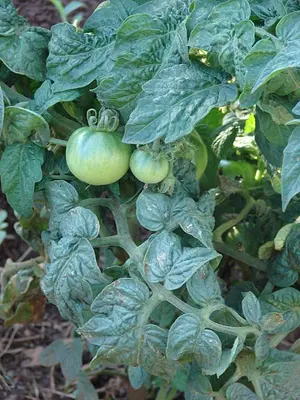
Specially bred for container growing, this compact determinate variety produces full-sized tomatoes on plants that stay under 2 feet tall. Perfect for apartment dwellers, small spaces, or anyone who wants fresh homegrown tomatoes without the need for extensive garden space. The sturdy plants require minimal staking and produce a concentrated harvest.
Harvest
70-75d
Days to harvest
Sun
Full sun
Zones
10–11
USDA hardiness
Height
1-10 feet
Planting Timeline
Showing dates for Determinate Patio in USDA Zone 7
All Zone 7 tomato →Zone Map
Click a state to update dates
Determinate Patio · Zones 10–11
Growing Details
Complete Growing Guide
Because this compact determinate variety sets fruit in concentrated waves rather than continuously, plan succession plantings every two weeks if you want ongoing harvests throughout the season. Position containers in full sun (minimum six hours) and use well-draining potting mix rather than garden soil, as container tomatoes dry quickly and suffer from poor drainage. Watch for early blight in humid conditions—remove lower leaves preemptively and avoid wetting foliage during watering. These stocky plants are prone to splitting and sunscald when exposed to extreme temperature fluctuations or inconsistent watering, so mulch containers to regulate moisture and temperature. Unlike indeterminate varieties, Determinate Patio doesn't benefit from aggressive pruning; simply remove damaged growth and maintain one or two main stems. One essential tip: fertilize every two weeks with balanced fertilizer, since container growing leaches nutrients faster than in-ground beds.
Light: Full sun (6 or more hours of direct sunlight a day). Soil: Clay, High Organic Matter, Loam (Silt), Sand. Soil pH: Acid (<6.0), Neutral (6.0-8.0). Drainage: Good Drainage, Moist. Height: 1 ft. 0 in. - 10 ft. 0 in.. Spread: 1 ft. 0 in. - 4 ft. 0 in.. Spacing: 3 feet-6 feet. Growth rate: Rapid. Maintenance: High. Propagation: Seed. Regions: Coastal, Mountains, Piedmont.
Harvesting
Harvest Determinate Patio tomatoes when they achieve a deep red color throughout, reach approximately 2-3 inches in diameter, and yield slightly to gentle finger pressure without feeling soft. Unlike indeterminate varieties that produce continuously, this determinate type flowers and fruits simultaneously, resulting in a concentrated harvest window rather than staggered ripening. Pick fruits at the breaker stage—when the first blush of red appears—and ripen them indoors if needed, as this approach encourages continued flowering on remaining buds. Most fruits mature within a 2-3 week period, so monitor plants closely during peak season to harvest at optimal firmness and flavor.
The fruits are smooth, shiny, glossy, and are classified as berries. The size, shape, and color will vary depending on the variety or cultivar. The color of the fruits may be red, yellow, orange, green, purple, or pink. The fruits may contain over 100 yellow to light brown seeds.
Color: Gold/Yellow, Green, Orange, Pink, Purple/Lavender, Red/Burgundy, Variegated. Type: Berry. Length: > 3 inches. Width: > 3 inches.
Garden value: Edible, Showy
Harvest time: Fall, Summer
Edibility: The fruits or berries of the tomato are edible. They may be eaten raw, cooked, dried, or processed. They are a rich source of Vitamin A, Vitamin C, folic acid, and antioxidants. Lycopene is an antioxidant that gives the tomato its rich red color. Many plants will drop fruit when ripe or the fruit will come off easily. Tomatoes will continue to ripen once picked. Store them at room temperature.
Storage & Preservation
Store freshly harvested 'Patio' tomatoes at room temperature (68–72°F) away from direct sunlight to preserve their mild, balanced flavor and firm texture. Avoid refrigeration unless fully ripe, as cold temperatures degrade taste and texture. Keep them in a single layer in a breathable container or paper bag rather than sealed plastic to allow air circulation and prevent moisture buildup. Most ripe tomatoes keep for 3–5 days at room temperature before softening.
For longer preservation, freezing works well for cooking applications: quarter the fruits, freeze on a tray, then transfer to freezer bags for up to eight months. Canning whole or crushed tomatoes is also reliable using standard hot-water bath methods. Drying is less ideal given the mild acidity, though slow oven-drying at 200°F produces usable results. Their compact size makes 'Patio' tomatoes convenient for freezing in whole or halved portions without needing to process large fruits.
History & Origin
The "Determinate Patio" tomato emerged from twentieth-century container-gardening breeding efforts, though specific breeder credits and introduction dates remain poorly documented in readily available sources. It represents a logical extension of determinate tomato genetics—compact, bush-type plants developed decades earlier—refined specifically for urban and space-limited cultivation. The variety likely developed through conventional selection within commercial seed companies focused on ornamental or patio vegetable markets, building on decades of determinate breeding work at agricultural universities and by private breeders. Its exact parentage and origin story are obscured by the competitive nature of seed development and incomplete historical records for many modern patio-oriented cultivars.
Origin: Peru
Advantages
- +Compact growth under 2 feet makes it ideal for balconies and patios
- +Minimal staking required saves time and support structure costs
- +Concentrated harvest allows efficient picking and processing in short window
- +Good balanced flavor and firm texture suitable for fresh eating
- +Reduced pest pressure in containers compared to garden soil growing
Considerations
- -Blossom end rot common with inconsistent watering in container conditions
- -Lower total yield per plant compared to indeterminate varieties
- -Early blight vulnerability requires vigilant foliage monitoring and removal
- -Container growing demands frequent watering during hot weather periods
Companion Plants
Basil and marigolds are the two worth planting close. Basil repels thrips and aphids to some degree, and thrips matter here because they vector Tomato spotted wilt virus — a disease NC State Extension flags as unpredictable year to year depending on thrips movement. French marigolds (Tagetes patula) exude alpha-terthienyl from their roots, which suppresses soil nematodes. Given that nematode damage can mimic the sudden wilting of bacterial wilt, that's a practical reason to ring your containers with them. Nasturtiums pull double duty as a trap crop for aphids, drawing them away before whitefly pressure builds alongside.
Fennel is the hard no — it produces anethole, which is allelopathic to most vegetables including tomatoes, stunting them even at 18–24 inches of separation. Keep brassicas out too: they compete aggressively for calcium in shared soil, and calcium uptake is already the weak link on a container-grown patio tomato prone to blossom end rot. Planting basil nearby is something I do every season; the fresh leaves 10 feet from the kitchen door are reason enough, but the thrips deterrence is a genuine bonus on a small-fruited variety that sets a lot of blossoms.
Plant Together
Basil
Repels aphids and whiteflies, may improve tomato flavor
Marigold
Deters nematodes and whiteflies with strong scent
Parsley
Attracts beneficial insects and doesn't compete for space
Chives
Repels aphids and other soft-bodied insects
Nasturtium
Acts as trap crop for aphids and cucumber beetles
Carrots
Don't compete for nutrients and help break up soil
Oregano
Repels many insects and attracts beneficial pollinators
Lettuce
Provides ground cover and utilizes space efficiently
Keep Apart
Black Walnut
Produces juglone toxin that causes tomato wilt and stunting
Fennel
Inhibits growth through allelopathic compounds
Corn
Both attract corn earworm, creating concentrated pest problems
Brassicas
Compete for similar nutrients and can stunt tomato growth
Nutrition Facts
Per 100g serving. % Daily Value based on 2,000 calorie diet. Source: USDA FoodData Central (FDC #321360)
Pests & Disease Resistance
Resistance
Good disease resistance for container growing
Common Pests
Aphids, whiteflies (less pest pressure in containers)
Diseases
Blossom end rot (from inconsistent watering), early blight
Troubleshooting Determinate Patio
What you'll see, why it happens, and what to do about it.
Dark, sunken leathery patch on the blossom end of fruit, usually appearing once fruit reaches golf-ball size
Likely Causes
- Blossom end rot — calcium deficiency in developing fruit caused by inconsistent watering, not necessarily a lack of calcium in the soil
- Container drying out between waterings, which is especially common with patio tomatoes in small pots during hot weather
What to Do
- 1.Water on a consistent schedule — containers may need daily watering once temps climb above 85°F
- 2.Use a moisture-retentive potting mix and consider a self-watering container to buffer dry spells
- 3.Pull affected fruit off; once the watering stabilizes, new fruit should set clean
Lower leaves developing brown bullseye spots with yellow halos, starting around day 40–50 after transplant
Likely Causes
- Early blight (Alternaria solani) — a soil-borne fungus that splashes up onto lower foliage during watering or rain
- Crowded spacing under 12 inches that traps humidity around the base of the plant
What to Do
- 1.Strip affected lower leaves immediately and discard them in the trash, not the compost
- 2.Mulch the top of the container or bed with straw to stop splash transmission
- 3.NC State Extension recommends rotating tomatoes out of the same soil for at least 3–4 years; if you're reusing container mix, replace it entirely each season
Entire plant wilting rapidly during hot weather even when soil moisture is adequate, with no visible leaf spots or stem lesions
Likely Causes
- Southern bacterial wilt (Ralstonia solanacearum) — a soilborne bacterium that, per NC State Extension, persists in infested ground indefinitely and causes collapse once hot weather arrives
- Root damage from nematodes, which can produce similar sudden wilting
What to Do
- 1.Cut a stem near the base and submerge it in a clear glass of water — bacterial wilt produces a milky, thread-like ooze within a few minutes; nematode damage will not
- 2.If bacterial wilt is confirmed, dig up and dispose of the entire plant including roots; do not compost
- 3.Switch to a fresh, sterile container mix that has no contact with native garden soil — NC State Extension specifically recommends containers as a workaround because Ralstonia solanacearum cannot be rotated away from in a fixed garden bed
Frequently Asked Questions
How big do Determinate Patio tomato plants get?▼
Can you grow Determinate Patio tomatoes in pots?▼
How long does it take to grow Determinate Patio tomatoes?▼
What do Determinate Patio tomatoes taste like?▼
Do Determinate Patio tomatoes need support?▼
When should I plant Determinate Patio tomatoes?▼
Zone-by-Zone Planting Calendar
| Zone | Indoor Start | Transplant | Direct Sow | Harvest |
|---|---|---|---|---|
| Zone 1 | May – May | July – August | — | September – August |
| Zone 2 | April – May | June – July | — | September – September |
| Zone 11 | January – January | January – February | — | April – June |
| Zone 12 | January – January | January – February | — | April – June |
| Zone 13 | January – January | January – February | — | April – June |
| Zone 3 | April – April | June – July | — | August – October |
| Zone 4 | March – April | June – June | — | August – October |
| Zone 5 | March – March | May – June | — | August – October |
| Zone 6 | March – March | May – June | — | July – September |
| Zone 7 | February – March | April – May | — | July – September |
| Zone 8 | February – February | April – May | — | June – August |
| Zone 9 | January – January | March – April | — | May – July |
| Zone 10 | January – January | February – March | — | May – July |
Growing Guides from Wind River Greens
Sources & References
External authority sources used in compiling this guide.
See the Methodology page for how this data is sourced, what's AI-assisted, and known limitations.