Determinate Cherry
Solanum lycopersicum 'Determinate Cherry'
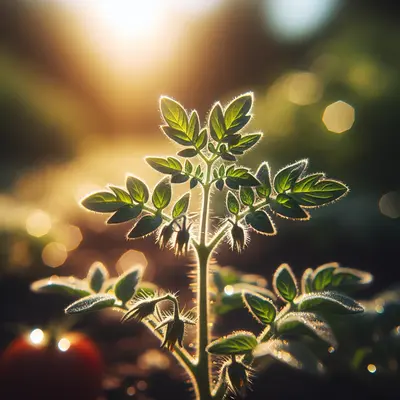
A compact, bushy cherry tomato perfect for containers and small gardens. Produces abundant clusters of sweet, bite-sized fruits all at once, making it ideal for preserving or fresh snacking. The determinate growth habit means no staking required and easy harvest timing.
Harvest
65-70d
Days to harvest
Sun
Full sun
Zones
10–11
USDA hardiness
Height
1-10 feet
Planting Timeline
Showing dates for Determinate Cherry in USDA Zone 7
All Zone 7 tomato →Zone Map
Click a state to update dates
Determinate Cherry · Zones 10–11
Growing Details
Complete Growing Guide
Plant Determinate Cherry tomatoes in full sun with consistent moisture to prevent fruit cracking, as their simultaneous ripening makes them sensitive to irregular watering schedules. Unlike indeterminate varieties, these compact plants mature rapidly within 65-70 days and require minimal pruning—resist the urge to remove suckers aggressively, as this determinate type needs foliage to protect developing fruit from sunscald. Watch for early blight in humid conditions, particularly around lower leaves where soil splash occurs; remove affected foliage promptly and mulch to prevent spore transmission. Space plants 24-30 inches apart to ensure air circulation that deters fungal diseases. The single flush of production means planning succession plantings 2-3 weeks apart if you desire extended harvests rather than one concentrated season. A practical advantage: pinch off flowers appearing after mid-summer to redirect energy toward ripening existing fruit before frost, ensuring you capture the full yield within your growing season.
Light: Full sun (6 or more hours of direct sunlight a day). Soil: Clay, High Organic Matter, Loam (Silt), Sand. Soil pH: Acid (<6.0), Neutral (6.0-8.0). Drainage: Good Drainage, Moist. Height: 1 ft. 0 in. - 10 ft. 0 in.. Spread: 1 ft. 0 in. - 4 ft. 0 in.. Spacing: 3 feet-6 feet. Growth rate: Rapid. Maintenance: High. Propagation: Seed. Regions: Coastal, Mountains, Piedmont.
Harvesting
Determinate cherry tomatoes reach peak harvest readiness when fruits transition from light orange to deep red and feel slightly soft when gently squeezed, indicating optimal sugar concentration. Unlike indeterminate varieties that produce continuously throughout the season, determinate cherries follow a concentrated single-harvest pattern, with most fruit ripening within a narrow two- to three-week window. This simultaneous maturation is actually advantageous for preserving projects like sun-drying or canning, as you'll have abundant fruit ready at once. To maximize sweetness, wait to harvest until fruits are fully colored and have sat on the plant for at least one extra day after turning red, allowing sugars to fully develop before picking.
The fruits are smooth, shiny, glossy, and are classified as berries. The size, shape, and color will vary depending on the variety or cultivar. The color of the fruits may be red, yellow, orange, green, purple, or pink. The fruits may contain over 100 yellow to light brown seeds.
Color: Gold/Yellow, Green, Orange, Pink, Purple/Lavender, Red/Burgundy, Variegated. Type: Berry. Length: > 3 inches. Width: > 3 inches.
Garden value: Edible, Showy
Harvest time: Fall, Summer
Edibility: The fruits or berries of the tomato are edible. They may be eaten raw, cooked, dried, or processed. They are a rich source of Vitamin A, Vitamin C, folic acid, and antioxidants. Lycopene is an antioxidant that gives the tomato its rich red color. Many plants will drop fruit when ripe or the fruit will come off easily. Tomatoes will continue to ripen once picked. Store them at room temperature.
Storage & Preservation
Store freshly harvested Determinate Cherry tomatoes at room temperature away from direct sunlight if eating within a few days; refrigerate at 50–55°F for extended storage, though cold temperatures dull their sweet-tangy flavor. Keep them in a single layer in a breathable container to prevent moisture buildup and spoilage. Expect a fresh shelf life of 5–7 days at room temperature, up to two weeks refrigerated.
These prolific little fruits preserve beautifully through multiple methods. Freezing whole or halved works well for cooking applications. For canning, use a tested hot-water bath recipe designed for small tomatoes. Sun-drying or oven-drying concentrates their natural sweetness effectively. Fermenting in brine creates a tangy condiment perfect for garnishing dishes.
Because Determinate Cherry produces a concentrated harvest, prepare preservation supplies before picking to avoid waste during peak ripeness.
History & Origin
The precise origin of 'Determinate Cherry' remains undocumented in academic records, reflecting the common practice among seed companies of developing compact cherry tomato cultivars without formal publication. However, this variety belongs to a broader lineage of determinate tomatoes systematized in the mid-20th century, particularly through university breeding programs and commercial seed houses seeking bush-type plants suitable for home gardeners. The determinate growth habit itself became widespread after the 1950s, when breeders prioritized convenience and uniform ripening. Cherry tomato genetics trace to wild Solanum lycopersicum var. cerasiforme ancestors, while determinate architecture derives from earlier processing tomato selections. 'Determinate Cherry' likely emerged from a seed company's proprietary breeding efforts combining these traits, though specific breeder attribution and introduction year remain obscure in publicly available sources.
Origin: Peru
Advantages
- +Compact bushy plants need no staking or pruning support.
- +All fruits ripen simultaneously for convenient bulk harvesting and preserving.
- +Sweet, tangy cherry tomatoes perfect for fresh snacking straight off vine.
- +Early maturity at 65-70 days provides quick gratification for impatient gardeners.
- +Excellent container and small-space gardener option due to determinate habit.
Considerations
- -Susceptible to early and late blight, requiring preventive fungal management.
- -Concentrated ripening means short harvest window rather than extended production.
- -Prone to blossom end rot if calcium and watering remain inconsistent.
- -Small fruit size means more plants needed for substantial sauce quantities.
Companion Plants
Basil fills the understory at 12–18 inches, shades the soil to reduce moisture loss, and slots neatly into the 18–24 inch gaps between plants. The claim that it repels thrips and aphids is plausible but hasn't held up well in controlled trials — plant it because it's useful, not because it's a force field. Marigolds are a better-documented pest tool: Tagetes patula (French marigold) roots produce alpha-terthienyl, which suppresses root-knot nematodes in surrounding soil. That matters specifically for determinate cherry tomatoes grown in the same bed year after year, since nematode pressure compounds with repetition. Set them 6–8 inches out from the tomato drip line where the root zones can actually overlap.
Parsley and chives pull in predatory wasps and hoverflies — the ones that lay eggs near aphid colonies — without competing for the deep moisture that carrots sometimes fight for in dry spells. Nasturtiums are worth a row at the bed edge: aphids genuinely prefer them over tomatoes, which makes them a functional trap crop rather than just a pretty border, and you can harvest the flowers for salads.
Keep fennel away entirely — it's allelopathic to most vegetables and will visibly stunt anything within a foot or two. Brassicas bring their own pest traffic (imported cabbageworm, Pieris rapae) that you don't want near a tomato planting, and they compete hard for similar soil nutrients. Black walnut produces juglone, a root toxin; tomatoes rank among the most sensitive crops to it and will wilt and decline well within the tree's root zone, which can push 50–60 feet out from the trunk.
Plant Together
Basil
Repels aphids, whiteflies, and hornworms while potentially improving tomato flavor
Marigold
Deters nematodes, aphids, and whiteflies with natural compounds
Parsley
Attracts beneficial insects like hoverflies and parasitic wasps
Carrots
Helps break up soil and doesn't compete for nutrients or space
Chives
Repels aphids and may help prevent fungal diseases
Nasturtium
Acts as trap crop for aphids and cucumber beetles
Oregano
Repels various pests and attracts beneficial pollinators
Lettuce
Provides living mulch and utilizes space efficiently without competition
Keep Apart
Black Walnut
Releases juglone which is toxic to tomatoes and causes wilting
Fennel
Inhibits growth through allelopathy and attracts harmful insects
Brassicas
Compete for similar nutrients and may stunt tomato growth
Nutrition Facts
Per 100g serving. % Daily Value based on 2,000 calorie diet. Source: USDA FoodData Central (FDC #171719)
Pests & Disease Resistance
Resistance
Good resistance to verticillium wilt, fusarium wilt, and tobacco mosaic virus
Common Pests
Tomato hornworm, aphids, spider mites, thrips
Diseases
Early blight, late blight, blossom end rot, bacterial speck
Troubleshooting Determinate Cherry
What you'll see, why it happens, and what to do about it.
Dark, concentric bullseye spots on lower leaves, starting around day 45–50 after transplant, spreading upward
Likely Causes
- Early blight (Alternaria solani) — a soil-borne fungus that splashes up onto foliage during rain or overhead watering
- Crowded spacing below 18 inches that restricts airflow and keeps foliage wet longer
What to Do
- 1.Strip affected lower leaves immediately and bin them — don't compost them
- 2.Lay 3–4 inches of straw mulch at the base to stop soil splash
- 3.NC State Extension recommends rotating nightshades out of the same bed for at least 3–4 years; for serious disease pressure, 5–7 years
Large patches of foliage turning gray-green and collapsing fast — sometimes overnight — with water-soaked lesions on fruit
Likely Causes
- Late blight (Phytophthora infestans) — spreads explosively in cool, wet weather with nights below 65°F and sustained high humidity
- Infected transplants or nearby potato plantings acting as a reservoir
What to Do
- 1.Remove and bag affected plants entirely — late blight can wipe out a whole planting in days if left in place
- 2.Trash the material, don't compost it
- 3.NC State's Plant Disease and Insect Clinic monitors late blight timing annually — check their alerts before the next season to time preventive copper sprays
Fruit developing a sunken, leathery brown or black patch on the blossom end, typically first noticed on the earliest-ripening fruit
Likely Causes
- Blossom end rot — calcium deficiency in the developing fruit driven by inconsistent soil moisture, which shuts down calcium uptake even when soil Ca levels are adequate
- Root damage from deep cultivation within 6 inches of the stem, which cuts the fine feeder roots responsible for water and nutrient uptake
What to Do
- 1.Water consistently — determinate cherry tomatoes want about 1–1.5 inches per week; wide swings between dry and saturated are the main trigger
- 2.Mulch heavily to buffer soil moisture between rain events
- 3.Test soil pH and keep it between 6.0 and 6.8; calcium availability drops sharply outside that range
Youngest leaves at the growing tip turning bright yellow, sometimes with distorted or cupped growth
Likely Causes
- Glyphosate herbicide drift — NC State Extension's diagnostic notes flag bright yellow coloration of the youngest leaves as a key symptom in tomato, which is highly sensitive to even low-dose exposure
- Broad mite (Polyphagotarsonemus latus) feeding, which produces similar tip distortion and bronzing in hot weather
What to Do
- 1.If herbicide drift is suspected, check whether any neighboring lawn or field was sprayed within the past 5–7 days and note wind direction at the time
- 2.For broad mite, examine the newest growth under a 10x hand lens — the mites are tiny but visible; spray spinosad or insecticidal soap directly onto the growing tips where they concentrate
- 3.Plants hit hard by glyphosate drift rarely push through it; remove and replace if the growing tip is severely damaged
Frequently Asked Questions
How long do determinate cherry tomatoes take to grow?▼
Can you grow determinate cherry tomatoes in containers?▼
Do determinate cherry tomatoes need staking?▼
What's the difference between determinate and indeterminate cherry tomatoes?▼
Are determinate cherry tomatoes good for beginners?▼
When should I plant determinate cherry tomato seeds?▼
Zone-by-Zone Planting Calendar
| Zone | Indoor Start | Transplant | Direct Sow | Harvest |
|---|---|---|---|---|
| Zone 3 | April – April | June – July | — | August – October |
| Zone 4 | March – April | June – June | — | August – October |
| Zone 5 | March – March | May – June | — | August – October |
| Zone 6 | March – March | May – June | — | July – September |
| Zone 7 | February – March | April – May | — | July – September |
| Zone 8 | February – February | April – May | — | June – August |
| Zone 9 | January – January | March – April | — | May – July |
| Zone 10 | January – January | February – March | — | May – July |
| Zone 1 | May – May | July – August | — | September – August |
| Zone 2 | April – May | June – July | — | September – September |
| Zone 11 | January – January | January – February | — | April – June |
| Zone 12 | January – January | January – February | — | April – June |
| Zone 13 | January – January | January – February | — | April – June |
Growing Guides from Wind River Greens
Sources & References
External authority sources used in compiling this guide.
See the Methodology page for how this data is sourced, what's AI-assisted, and known limitations.