De Milpa
Physalis philadelphica
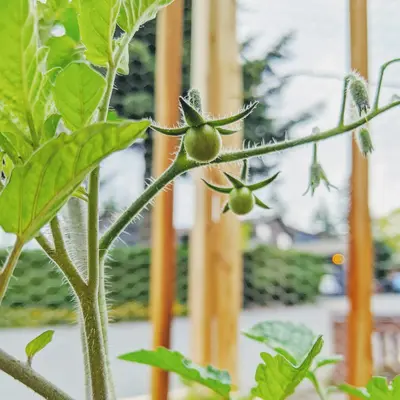
In Mexico, these tomatillos grow unattended in family corn fields and are harvested for home use and for selling in town on market day. High dry matter, small to medium-round fruits store fresh for several weeks, handy for fresh salsa. Portions of the fruits blush with purple, especially after harvest.
Harvest
70d
Days to harvest
Sun
Full sun
Zones
1–11
USDA hardiness
Height
3-4 feet
Planting Timeline
Showing dates for De Milpa in USDA Zone 7
All Zone 7 tomato →Zone Map
Click a state to update dates
De Milpa · Zones 1–11
Growing Details
Succession Planting
De Milpa keeps producing on the same plant from July through first frost, so there's no reason to stagger plantings the way you would with lettuce or radishes. Start seeds indoors in February or March — germination takes 7–14 days — transplant after last frost in April or May, and those same plants will carry you through September. One sowing per season is all you need. Just make sure you've got at least 2 plants in the ground for cross-pollination, or the harvest question becomes moot.
Complete Growing Guide
In Mexico, these tomatillos grow unattended in family corn fields and are harvested for home use and for selling in town on market day. High dry matter, small to medium-round fruits store fresh for several weeks, handy for fresh salsa. Portions of the fruits blush with purple, especially after harvest. According to Johnny's Selected Seeds, De Milpa is 70 days to maturity, annual, open pollinated. Notable features: Organic Seeds, Plants, and Supplies, Heirloom.
Light: Full sun (6 or more hours of direct sunlight a day). Soil: High Organic Matter, Loam (Silt), Sand. Drainage: Good Drainage, Moist. Height: 3 ft. 0 in. - 4 ft. 0 in. Spread: 3 ft. 0 in. - 4 ft. 0 in. Spacing: 3 feet-6 feet. Growth rate: Rapid. Maintenance: Low, Medium.
Harvesting
De Milpa reaches harvest at 70 days from sowing per Johnny's Selected Seeds. As an annual, harvest continues until frost ends the season.
Round, 1 to 2 inch green or purple berries enclosed in a papery husk have a citrus flavor. They are ripe when they are still firm but fill the husk. Green varieties will turn a yellow green when ripe and purple varieties will turn from green to purple. The papery lantern shaped husks are tan when mature and quite showy.
Color: Gold/Yellow, Green, Purple/Lavender. Type: Berry. Length: 1-3 inches. Width: 1-3 inches.
Garden value: Edible, Showy
Harvest time: Fall, Summer
Edibility: Mature fruits are edible and can be eaten whole with no need to peel core or seed. They can be used for salsa, soups, stews, and meat dishes.
Storage & Preservation
Store freshly harvested De Milpa tomatillos in a cool, dry place between 50–55°F with moderate humidity, ideally in a paper bag or ventilated container to prevent moisture buildup and mold. They'll keep for two to three weeks refrigerated, or up to a month at room temperature if unblemished. For longer storage, freeze whole fruits on a tray before bagging, which works well for sauces and cooked dishes. Roasting and freezing the pulp captures excellent flavor for salsa verde year-round. Canning is reliable when combined with other acidic ingredients; the firm flesh holds up well. Drying is possible but less common given the high water content. De Milpa's thin skin makes it particularly prone to bruising, so handle gently at harvest and inspect regularly during storage, removing any damaged fruit immediately to prevent rot spread.
History & Origin
De Milpa is open-pollinated, meaning seed saved from healthy plants will produce true-to-type offspring. Listed in the Johnny's Selected Seeds catalog.
Origin: Mexico and Central America
Advantages
- +Thrives unattended in intercropping systems like traditional milpa gardens
- +High dry matter content makes fruits ideal for fresh salsa
- +Stores fresh for several weeks without refrigeration needed
- +Purple blushing adds visual appeal to harvested fruits
Considerations
- -Moderate difficulty level requires some experience to grow successfully
- -Smaller fruit size means lower yields per plant than modern varieties
- -70-day maturity requires warm season timing in cooler climates
Companion Plants
Marigolds (Tagetes spp.) are worth the bed space here — their root secretions suppress soil nematodes, which matters for anything in the Solanaceae family grown in the same spot multiple years running. Nasturtiums pull double duty as a trap crop for aphids and whiteflies, drawing those populations away from the tomatillo. Basil fits well at 12–18 inches away; the pest-deterrent claims are thinner than their reputation, but you'll be glad it's close at harvest time. Keep fennel at least 10 feet out — it produces allelopathic root compounds that suppress most vegetables, and tomatillo is no exception. Skip corn as a neighbor too: it shares hornworm and whitefly pressure with De Milpa, and the two crops will strip the same nutrients from adjacent beds fast.
Plant Together
Basil
Repels aphids, whiteflies, and hornworms while potentially improving tomato flavor
Marigold
Deters nematodes, aphids, and whiteflies with natural pest-repelling compounds
Carrots
Loosens soil for better tomato root growth and doesn't compete for nutrients
Parsley
Attracts beneficial insects like hoverflies and parasitic wasps that control pests
Nasturtiums
Acts as trap crop for aphids and cucumber beetles, drawing them away from tomatoes
Chives
Repels aphids and may improve tomato growth and flavor through root interactions
Lettuce
Provides living mulch, conserves soil moisture, and doesn't compete with deep tomato roots
Borage
Attracts pollinators and beneficial insects while reportedly improving tomato flavor
Keep Apart
Black Walnut
Releases juglone toxin that causes wilting and stunted growth in tomatoes
Fennel
Inhibits tomato growth through allelopathic compounds released from roots and leaves
Brassicas
Compete heavily for nutrients and may stunt tomato growth when planted too close
Corn
Both attract corn earworm/tomato fruitworm, increasing pest pressure for both crops
Nutrition Facts
Per 100g serving. % Daily Value based on 2,000 calorie diet. Source: USDA FoodData Central (FDC #321360)
Pests & Disease Resistance
Common Pests
Hornworms, flea beetles, whiteflies (in warm climates)
Diseases
Early blight, septoria leaf spot (in humid conditions), fusarium wilt (rare in well-drained soil)
Troubleshooting De Milpa
What you'll see, why it happens, and what to do about it.
Leaves riddled with small, irregular shot-holes; young foliage looks ragged within the first few weeks after transplant
Likely Causes
- Flea beetles (Epitrix spp.) — tiny, jumping beetles that feed on leaf tissue and are worst on young transplants
- Transplants set out before they've hardened off, making tissue more attractive to feeding insects
What to Do
- 1.Cover transplants with floating row cover immediately after setting out; remove once plants are 18 inches tall and established
- 2.Apply kaolin clay or spinosad if damage is heavy and row cover isn't an option
- 3.Delay transplanting until plants have 6–8 true leaves — larger plants outgrow flea beetle pressure faster
Lower leaves developing dark brown spots with concentric rings (bullseye pattern), progressing up the plant by mid-summer
Likely Causes
- Early blight (Alternaria solani) — soil-borne fungus that splashes onto foliage during rain or overhead irrigation
- Dense canopy with poor airflow, especially when plants are spaced closer than 24 inches
What to Do
- 1.Strip affected lower leaves and dispose of them in the trash, not the compost
- 2.Lay 3–4 inches of straw or shredded leaf mulch at the base to stop soil splash
- 3.NC State Extension's IPM guidance recommends rotating out of this bed and away from other Solanaceae for at least 3–4 seasons — longer if disease pressure was severe
Plant wilts suddenly during the day even when soil is moist; doesn't recover overnight
Likely Causes
- Southern bacterial wilt (Ralstonia solanacearum) — soilborne pathogen; cut the stem near soil level and look for tan, water-soaked discoloration inside
- Fusarium wilt (Fusarium oxysporum) — more likely in poorly drained beds; internal stem tissue shows brown streaking rather than water-soaking
What to Do
- 1.Dig up and destroy the entire plant including the root system — do not compost it
- 2.Per NC State Extension, avoid replanting any Solanaceae in that spot for several years; growing in containers with fresh mix is a practical workaround
- 3.If you go the container route, keep the potting mix from contacting native soil, and don't reuse that mix the following season
Fruit husks stay green and papery but remain marble-sized or smaller and don't fill out by day 70
Likely Causes
- Tomatillos require cross-pollination; a single De Milpa plant almost never sets full fruit regardless of flower count
- Pollinator activity disrupted by broad-spectrum insecticide applications during bloom
What to Do
- 1.Grow at least 2 plants spaced 24–30 inches apart — this is not optional for De Milpa, it's structural
- 2.Stop insecticide applications once flowers open; if you must spray, do it after 7 p.m. when bee activity drops
- 3.If you have a second plant and still see poor set, transfer pollen between open flowers with a small dry paintbrush
Frequently Asked Questions
How long does De Milpa take to grow from seed to harvest?▼
Is De Milpa good for beginners?▼
Can you grow De Milpa in containers?▼
What does De Milpa taste like compared to other tomatillos?▼
When should I plant De Milpa seeds and transplants?▼
How do I know when De Milpa tomatillos are ripe?▼
Zone-by-Zone Planting Calendar
| Zone | Indoor Start | Transplant | Direct Sow | Harvest |
|---|---|---|---|---|
| Zone 1 | May – May | July – August | — | September – August |
| Zone 2 | April – May | June – July | — | September – September |
| Zone 11 | January – January | January – February | — | April – June |
| Zone 12 | January – January | January – February | — | April – June |
| Zone 13 | January – January | January – February | — | April – June |
| Zone 3 | April – April | June – July | — | August – October |
| Zone 4 | March – April | June – June | — | August – October |
| Zone 5 | March – March | May – June | — | August – October |
| Zone 6 | March – March | May – June | — | July – September |
| Zone 7 | February – March | April – May | — | July – September |
| Zone 8 | February – February | April – May | — | June – August |
| Zone 9 | January – January | March – April | — | May – July |
| Zone 10 | January – January | February – March | — | May – July |
Growing Guides from Wind River Greens
Sources & References
External authority sources used in compiling this guide.
- ExtensionNC State Extension
- BreederJohnny's Selected Seeds
- USDAUSDA FoodData Central
See the Methodology page for how this data is sourced, what's AI-assisted, and known limitations.