Costoluto Genovese
Solanum lycopersicum 'Costoluto Genovese'
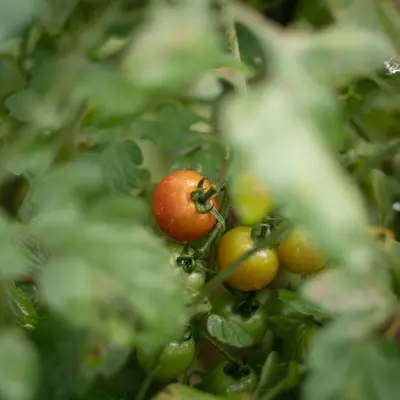
This striking Italian heirloom from the Genoa region produces deeply ribbed, flattened tomatoes that look like they're sculpted from red marble. The dramatically fluted fruits have intense, rich flavor perfect for authentic Italian cooking, and their unique appearance makes them a conversation starter in any garden.
Harvest
80-90d
Days to harvest
Sun
Full sun
Zones
10–11
USDA hardiness
Height
1-10 feet
Planting Timeline
Showing dates for Costoluto Genovese in USDA Zone 7
All Zone 7 tomato →Zone Map
Click a state to update dates
Costoluto Genovese · Zones 10–11
Growing Details
Complete Growing Guide
Plant Costoluto Genovese in late spring after all frost danger passes, as this Italian heirloom requires consistently warm soil and air temperatures to set fruit reliably. Unlike determinate varieties, this indeterminate cultivar needs sturdy staking or caging and will grow vigorously to 10 feet in ideal conditions, so plan for vertical space and pruning of excessive foliage. The deeply ribbed fruits are particularly susceptible to cracking and splitting during irregular watering, especially after dry periods followed by heavy rain, making consistent moisture management critical for preserving their sculptural appearance. These plants also show a tendency toward early blight in humid climates; improve air circulation by removing lower leaves and spacing plants generously. A practical tip: harvest fruits at the "breaker stage" when the first blush of color appears at the blossom end, then ripen indoors away from direct sun to develop peak flavor while reducing cracking risk on the vine.
Light: Full sun (6 or more hours of direct sunlight a day). Soil: Clay, High Organic Matter, Loam (Silt), Sand. Soil pH: Acid (<6.0), Neutral (6.0-8.0). Drainage: Good Drainage, Moist. Height: 1 ft. 0 in. - 10 ft. 0 in.. Spread: 1 ft. 0 in. - 4 ft. 0 in.. Spacing: 3 feet-6 feet. Growth rate: Rapid. Maintenance: High. Propagation: Seed. Regions: Coastal, Mountains, Piedmont.
Harvesting
Harvest Costoluto Genovese tomatoes when they display a deep, uniform red color throughout their distinctive ribbed surface and feel slightly yielding when gently squeezed. These flattened fruits reach peak flavor at full maturity, typically weighing 6–8 ounces. This variety produces fruit continuously throughout the season rather than in a single flush, so monitor plants regularly and pick tomatoes as they ripen to encourage additional flowering and fruiting. For optimal flavor complexity and acidity, wait until the tomatoes are fully ripe on the vine before harvesting, as they do not develop sweetness significantly after picking, unlike some modern varieties.
The fruits are smooth, shiny, glossy, and are classified as berries. The size, shape, and color will vary depending on the variety or cultivar. The color of the fruits may be red, yellow, orange, green, purple, or pink. The fruits may contain over 100 yellow to light brown seeds.
Color: Gold/Yellow, Green, Orange, Pink, Purple/Lavender, Red/Burgundy, Variegated. Type: Berry. Length: > 3 inches. Width: > 3 inches.
Garden value: Edible, Showy
Harvest time: Fall, Summer
Edibility: The fruits or berries of the tomato are edible. They may be eaten raw, cooked, dried, or processed. They are a rich source of Vitamin A, Vitamin C, folic acid, and antioxidants. Lycopene is an antioxidant that gives the tomato its rich red color. Many plants will drop fruit when ripe or the fruit will come off easily. Tomatoes will continue to ripen once picked. Store them at room temperature.
Storage & Preservation
Freshly harvested Costoluto Genovese tomatoes keep best at room temperature away from direct sunlight, never refrigerated, which damages their delicate flavor. Store in a single layer on a breathable surface with good air circulation. Ripe tomatoes will hold for 3–5 days; slightly underripe ones for up to a week. For long-term preservation, these tomatoes excel in traditional Italian sauce-making—cook down with olive oil and salt for a concentrated passata that freezes beautifully for months. They're also excellent candidates for canning whole or as sauce, or slow-drying in a low oven to concentrate their already complex flavors. The distinctive deep ribbing of this variety makes it particularly suited to stuffing before cooking, as the grooves naturally cradle seasonings; consider preserving them this way by blanching, stuffing with herbs and breadcrumbs, then freezing on a tray before transferring to bags.
History & Origin
This Italian heirloom originates from the Genoa region of Liguria, where it has been cultivated for generations as part of traditional Mediterranean tomato heritage. The variety's distinctive deeply ribbed, flattened morphology reflects centuries of selection by local growers who valued both appearance and culinary properties for regional cuisine. While specific breeder attribution and introduction dates remain undocumented, Costoluto Genovese represents the broader tradition of locally-adapted Italian heirloom tomatoes maintained through seed saving within Genoese farming communities. The variety exemplifies how regional tomato cultivars developed through sustained cultivation rather than formal breeding programs, becoming integral to the gastronomic identity of its origin area.
Origin: Peru
Advantages
- +Striking deeply ribbed appearance makes Costoluto Genovese a stunning garden centerpiece
- +Intense, complex flavor ideal for authentic Italian sauces and fresh applications
- +Moderate difficulty level makes it accessible to experienced home gardeners
- +80-90 day maturity provides reasonable harvest window for most growing seasons
Considerations
- -Deep fruit ribs trap moisture and are highly susceptible to cracking
- -Vulnerable to late blight and early blight in humid or wet conditions
- -Blossom end rot commonly affects Costoluto Genovese in inconsistent watering
- -Flattened shape makes fruits more prone to disease and pest damage
Companion Plants
Basil is the obvious pairing here. Honestly, the main payoff is at the cutting board in August, not in the pest column — but aphids do key in on host plants partly by scent, and a dense basil planting nearby creates enough olfactory noise to slow them down. Parsley works on a similar principle and takes up almost no room. Marigolds (Tagetes species) do something more concrete: their roots release thiophenes that suppress soil nematodes over a full growing season. That matters specifically for Costoluto Genovese because, as NC State Extension points out, heirloom tomato varieties frequently lack the soilborne disease resistance that's been bred into modern hybrids — so reducing nematode pressure through companion planting is worth the bed space. Nasturtiums pull aphids off your tomatoes and onto themselves; cut the infested nasturtium stems and bin them rather than composting.
Shallow-rooted companions like lettuce and chives tuck in well under the canopy. They work the top 4–6 inches of soil while tomato roots push much deeper, so you're not setting up a water competition. Chives also emit sulfur compounds that some studies link to reduced aphid colonization.
Fennel goes nowhere near this bed — it releases anethole and other allelopathic compounds that stunt most vegetables, tomatoes included. Brassicas compete at a similar root depth and share several soil pathogens with tomatoes, so back-to-back planting of the two just builds up your disease load. Black walnut produces juglone, a compound that causes wilting and collapse in tomatoes; even soil that previously sat under a walnut canopy can carry enough residue to be a problem.
Plant Together
Basil
Repels aphids, whiteflies, and hornworms while potentially improving tomato flavor
Marigold
Deters nematodes, aphids, and whiteflies with natural pest-repelling compounds
Carrots
Loosens soil around tomato roots and doesn't compete for nutrients
Parsley
Attracts beneficial insects like hoverflies that prey on tomato pests
Chives
Repels aphids and may improve tomato growth and flavor
Nasturtium
Acts as trap crop for aphids and cucumber beetles while repelling whiteflies
Lettuce
Benefits from tomato shade and doesn't compete for deep nutrients
Oregano
Repels various insects and may enhance tomato flavor and growth
Keep Apart
Black Walnut
Produces juglone toxin that causes tomato wilt and stunted growth
Fennel
Inhibits tomato growth through allelopathic compounds
Brassicas
Compete for nutrients and may stunt tomato growth when planted nearby
Nutrition Facts
Per 100g serving. % Daily Value based on 2,000 calorie diet. Source: USDA FoodData Central (FDC #321360)
Pests & Disease Resistance
Resistance
Moderate resistance to common diseases, adapted to Mediterranean climate
Common Pests
Tomato hornworm, aphids, Mediterranean fruit fly in suitable climates
Diseases
Late blight, early blight, blossom end rot, cracking in deep ribs
Troubleshooting Costoluto Genovese
What you'll see, why it happens, and what to do about it.
Large, ragged holes in leaves; stems stripped overnight; green or black pellet-shaped frass on leaves and soil
Likely Causes
- Tomato hornworm (Manduca quinquemaculata) — caterpillars can reach 4 inches and blend almost perfectly into foliage
- Late infestation from second-generation moths in midsummer
What to Do
- 1.Handpick caterpillars in the early morning when they're easier to spot; drop them in soapy water
- 2.Look for white rice-shaped eggs on the undersides of leaves and crush them before they hatch
- 3.If pressure is heavy, apply Bacillus thuringiensis (Bt) — it's effective on young hornworms and won't harm beneficials
Dark, water-soaked patches on lower leaves that turn gray-green, then brown and papery, spreading fast — sometimes to fruit — within a few days
Likely Causes
- Late blight (Phytophthora infestans) — spreads explosively in cool, wet weather (60–70°F with high humidity)
- Infected transplants or spores blown in from neighboring crops, including potatoes
What to Do
- 1.Remove and bag (don't compost) all affected plant material immediately — late blight moves faster than most gardeners expect
- 2.NC State Extension notes that timing of late blight appearance varies year to year; check regional alerts before assuming it's early blight
- 3.Rotate this bed out of tomatoes and potatoes for at least 3 years; NC State Extension's IPM guidance puts the full rotation window for some tomato diseases at 5–7 years
Lower leaves developing small brown spots with concentric rings (like a bullseye), yellowing around each spot, starting 40–60 days after transplant
Likely Causes
- Early blight (Alternaria solani) — a soil-borne fungus that splashes up onto foliage during rain or overhead irrigation
- Dense canopy with poor airflow, which keeps leaf surfaces wet longer than they should be
What to Do
- 1.Strip affected lower leaves and throw them in the trash — not the compost pile
- 2.Lay 3–4 inches of straw mulch around the base of each plant to reduce soil splash
- 3.Space plants at least 24 inches apart (36 is better for Costoluto's wide, ribbed canopy) to improve airflow
Dark, sunken, leathery patch on the blossom end of fruit — usually shows up on the first heavy set of the season
Likely Causes
- Blossom end rot — calcium deficiency in the developing fruit, caused by inconsistent watering that disrupts calcium uptake rather than a lack of calcium in the soil
- Costoluto Genovese's deep ribs also make it prone to shoulder cracking after irregular moisture, which can look similar at first glance
What to Do
- 1.Water deeply and consistently — this variety needs high, even moisture; letting the soil dry out between waterings is the main trigger
- 2.Mulch heavily to buffer soil moisture swings, especially during peak summer heat
- 3.If shoulder cracking (not blossom end rot) is the issue, harvest fruit at first blush and let it ripen off the vine during wet spells
Frequently Asked Questions
How long does Costoluto Genovese take to grow from seed?▼
Can you grow Costoluto Genovese in containers?▼
What does Costoluto Genovese taste like?▼
Is Costoluto Genovese good for beginners?▼
Why are my Costoluto Genovese tomatoes cracking?▼
When should I plant Costoluto Genovese seeds?▼
Zone-by-Zone Planting Calendar
| Zone | Indoor Start | Transplant | Direct Sow | Harvest |
|---|---|---|---|---|
| Zone 3 | April – April | June – July | — | September – October |
| Zone 4 | March – April | June – June | — | September – October |
| Zone 5 | March – March | May – June | — | August – October |
| Zone 6 | March – March | May – June | — | August – October |
| Zone 7 | February – March | April – May | — | July – September |
| Zone 8 | February – February | April – May | — | July – September |
| Zone 9 | January – January | March – April | — | June – August |
| Zone 10 | January – January | February – March | — | May – July |
| Zone 1 | May – May | July – August | — | October – August |
| Zone 2 | April – May | June – July | — | September – September |
| Zone 11 | January – January | January – February | — | April – June |
| Zone 12 | January – January | January – February | — | April – June |
| Zone 13 | January – January | January – February | — | April – June |
Growing Guides from Wind River Greens
Sources & References
External authority sources used in compiling this guide.
See the Methodology page for how this data is sourced, what's AI-assisted, and known limitations.