Container Choice Red
Solanum lycopersicum 'Container Choice Red'
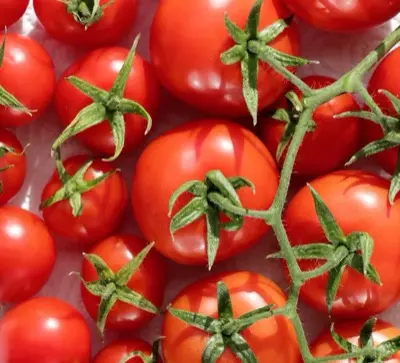
Specifically bred for container growing, this compact determinate variety produces full-sized slicing tomatoes on a plant that stays under 20 inches tall. Perfect for apartment dwellers and small space gardeners who don't want to sacrifice fruit size for plant size. No caging or staking required.
Harvest
70-75d
Days to harvest
Sun
Full sun
Zones
10–11
USDA hardiness
Height
1-10 feet
Planting Timeline
Showing dates for Container Choice Red in USDA Zone 7
All Zone 7 tomato →Zone Map
Click a state to update dates
Container Choice Red · Zones 10–11
Growing Details
Succession Planting
Container Choice Red sets fruit continuously rather than ripening in one flush, so you don't need to stagger plantings the way you would with lettuce or radishes. One transplant per container covers the season. Start seeds indoors 6–8 weeks before last frost — late February to early March for zone 7 — and move them outside in April once nights hold reliably above 50°F.
If you want to push the season in both directions, start a second container 4–5 weeks after the first. The later plant carries you deeper into fall after the first one starts declining; in a warm Georgia year, that can mean fresh tomatoes into October or November.
Complete Growing Guide
This determinate cultivar's 70-75 day maturity means you can direct sow after last frost or transplant 3-4 week seedlings for earlier harvests, but resist the urge to start too early indoors as Container Choice Red stretches leggy under inadequate light. Its compact 10-20 inch habit thrives in 5-gallon containers with consistent moisture—fluctuating water triggers both blossom-end rot and fruit cracking more readily than in larger garden beds. Unlike sprawling indeterminates, this variety channels energy into a defined terminal flower cluster, so feed moderately with balanced fertilizer; excess nitrogen delays fruiting and increases susceptibility to early blight in humid conditions. Watch for spider mites on container plants, especially in hot, dry microclimates where air circulation is poor. The practical advantage: pinch no suckers and install no supports, but do ensure your container drains excellently and receives 6-8 hours of direct sun daily.
Light: Full sun (6 or more hours of direct sunlight a day). Soil: Clay, High Organic Matter, Loam (Silt), Sand. Soil pH: Acid (<6.0), Neutral (6.0-8.0). Drainage: Good Drainage, Moist. Height: 1 ft. 0 in. - 10 ft. 0 in.. Spread: 1 ft. 0 in. - 4 ft. 0 in.. Spacing: 3 feet-6 feet. Growth rate: Rapid. Maintenance: High. Propagation: Seed. Regions: Coastal, Mountains, Piedmont.
Harvesting
Container Choice Red tomatoes reach peak harvest readiness when they achieve a deep, uniform red color throughout the fruit with no green shoulders remaining, typically weighing 4-6 ounces and yielding slightly to gentle pressure. Unlike indeterminate varieties that produce continuously until frost, this determinate cultivar clusters its ripening, offering a concentrated harvest window rather than a prolonged succession. To maximize yield, harvest fruits at the first blush of red color and allow them to finish ripening indoors at room temperature, which redirects the plant's energy toward developing additional clusters. This technique proves especially effective for Container Choice Red since the compact plant's limited foliage cannot shade developing fruit as extensively as taller varieties, allowing successive waves of tomatoes to mature simultaneously.
The fruits are smooth, shiny, glossy, and are classified as berries. The size, shape, and color will vary depending on the variety or cultivar. The color of the fruits may be red, yellow, orange, green, purple, or pink. The fruits may contain over 100 yellow to light brown seeds.
Color: Gold/Yellow, Green, Orange, Pink, Purple/Lavender, Red/Burgundy, Variegated. Type: Berry. Length: > 3 inches. Width: > 3 inches.
Garden value: Edible, Showy
Harvest time: Fall, Summer
Edibility: The fruits or berries of the tomato are edible. They may be eaten raw, cooked, dried, or processed. They are a rich source of Vitamin A, Vitamin C, folic acid, and antioxidants. Lycopene is an antioxidant that gives the tomato its rich red color. Many plants will drop fruit when ripe or the fruit will come off easily. Tomatoes will continue to ripen once picked. Store them at room temperature.
Storage & Preservation
Container Choice Red tomatoes store best at room temperature (68–72°F) away from direct sunlight until fully ripe, then move to the refrigerator at 50–55°F to extend life. Keep humidity moderate to prevent mold; store stem-side down in a single layer. Expect 5–7 days of freshness at room temperature, or up to two weeks refrigerated, though flavor diminishes below 55°F.
For preservation, freezing works well for cooking applications—core and freeze whole, or blanch and peel first. Canning is excellent given the balanced acidity; use tested recipes for salsa, sauce, or whole tomatoes. Sun-drying intensifies the sweet character. Fermentation produces tangy, probiotic-rich results.
Since this variety is bred for container growing, the relatively uniform ripening means you'll harvest larger batches simultaneously—ideal for batch preservation projects rather than staggered use.
History & Origin
Container Choice Red emerged from modern vegetable breeding efforts focused on urban gardening and space-constrained growing. Developed as a determinate cultivar by seed companies responding to increased demand for compact tomato varieties suitable for patios and balconies, this variety represents a deliberate departure from traditional indeterminate slicing tomatoes. While specific breeder attribution and introduction year remain undocumented in widely accessible horticultural records, Container Choice Red belongs to a lineage of dwarf and determinate breeding programs that gained momentum in the early 2000s. These initiatives prioritized maintaining full-sized fruit quality while substantially reducing plant height, making previously impractical container cultivation viable for apartment gardeners and small-space growers.
Origin: Peru
Advantages
- +Compact 20-inch height perfect for balconies and small patios
- +Full-sized slicing tomatoes despite the dwarf plant structure
- +No staking or caging needed saves time and space
- +Quick 70-75 day maturity brings harvests fast
- +Sweet balanced flavor with good acidity tastes excellent
Considerations
- -Blossom end rot occurs easily with inconsistent watering schedules
- -Container-grown plants attract aphids whiteflies and spider mites frequently
- -Early blight fungus spreads quickly in humid container conditions
- -Limited yield per plant compared to standard indeterminate varieties
Companion Plants
Basil is the first plant I'd put in a second pot alongside this one — the two crops want the same heat and consistent moisture, so they fit a container setup without any extra fussing. Marigolds (Tagetes spp.) do real work here via root secretions that suppress soil nematodes; in a confined root zone, nematode pressure hits harder than it would in an open bed, and around here in the southeast, nematode populations stay active well into August. Nasturtiums pull aphids off your tomato and onto themselves, which makes them easier to deal with in one spot rather than hunting colonies across multiple plants.
Fennel produces allelopathic compounds that actively suppress tomato growth — not a theoretical concern, a measurable one — so give it its own container far away. Brassicas are a subtler problem: they compete aggressively for calcium, and calcium is already the nutrient Container Choice Red is most likely to run short on given its blossom end rot risk. Separate containers, or better yet, a different part of the garden entirely.
Plant Together
Basil
Repels aphids and whiteflies, may improve tomato flavor and growth
Marigolds
Repel nematodes, aphids, and whiteflies while attracting beneficial insects
Parsley
Attracts beneficial insects and helps repel tomato hornworms
Chives
Repel aphids and may improve tomato flavor and growth
Nasturtiums
Act as trap crop for aphids and cucumber beetles, repel whiteflies
Oregano
Repels aphids and provides ground cover to retain soil moisture
Carrots
Help break up soil and don't compete for nutrients with tomatoes
Lettuce
Grows in tomato shade and helps maximize container space efficiently
Keep Apart
Black Walnut
Releases juglone toxin that causes tomato wilt and stunted growth
Fennel
Inhibits tomato growth through allelopathic compounds
Brassicas
Compete heavily for nutrients and may stunt tomato growth in containers
Nutrition Facts
Per 100g serving. % Daily Value based on 2,000 calorie diet. Source: USDA FoodData Central (FDC #321360)
Pests & Disease Resistance
Resistance
Resistant to verticillium wilt and fusarium wilt
Common Pests
Aphids, whiteflies, spider mites in container conditions
Diseases
Blossom end rot (from inconsistent watering), early blight
Troubleshooting Container Choice Red
What you'll see, why it happens, and what to do about it.
Dark, sunken, leathery patch on the blossom end of fruit — shows up once fruit is golf-ball size or larger
Likely Causes
- Blossom end rot — calcium not reaching developing fruit due to inconsistent watering
- Calcium locked out by wildly fluctuating soil moisture, common in containers that dry out between waterings
What to Do
- 1.Water on a strict schedule — containers dry out fast, and a single missed day during fruit set can trigger this; aim for even moisture, not wet-dry cycles
- 2.Keep soil pH between 6.0 and 7.0; outside that range, calcium uptake stalls even when it's present in the mix
- 3.Once a fruit shows BER it won't recover — pull it off so the plant redirects energy to the healthy ones still sizing up
Lower leaves developing brown bullseye spots with yellow halos, progressing up the plant from the bottom around day 45–60 after transplant
Likely Causes
- Early blight (Alternaria solani) — a soil-borne fungus that splashes onto lower foliage during watering or rain
- Poor airflow around a densely planted or wall-crowded container
What to Do
- 1.Strip affected lower leaves immediately and bag them — don't compost them
- 2.Mulch the top of the container with straw to reduce splash from overhead watering
- 3.Space containers at least 18 inches apart and pull them away from solid walls to let air move through
Tiny pale stippling across leaves; fine webbing visible on leaf undersides; leaves bronzing and dropping in midsummer heat
Likely Causes
- Two-spotted spider mites (Tetranychus urticae) — populations explode in hot, dry container conditions above 85°F
- Chronically dry potting mix stressing the plant and reducing its ability to outpace feeding damage
What to Do
- 1.Blast the undersides of leaves with a strong jet of water every 2–3 days — mites dislodge easily and populations drop fast with consistent pressure
- 2.Keep containers evenly moist; water-stressed plants draw heavier mite pressure
- 3.For heavy infestations, apply insecticidal soap or neem oil in the evening, coating leaf undersides thoroughly
Sticky residue coating leaves and fruit; foliage yellowing; small white insects cloud up when you brush the plant
Likely Causes
- Whiteflies (Trialeurodes vaporariorum or Bemisia tabaci) — common on container tomatoes, especially in sheltered spots with low air movement
- Aphid colonies (multiple Aphididae species) often co-occur and produce the same honeydew buildup
What to Do
- 1.Hang yellow sticky traps near the containers to track and knock down adult whitefly numbers
- 2.For aphids, a firm spray of water or insecticidal soap applied every 5–7 days usually pulls colonies back within two weeks
- 3.If you're growing on an enclosed patio, the parasitic wasp Encarsia formosa can be purchased and released against whitefly specifically
Frequently Asked Questions
How big of a container do I need for Container Choice Red tomatoes?▼
Can Container Choice Red tomatoes grow in partial shade?▼
How many tomatoes does one Container Choice Red plant produce?▼
Is Container Choice Red good for beginners?▼
When should I plant Container Choice Red tomatoes?▼
What does Container Choice Red taste like compared to other tomatoes?▼
Zone-by-Zone Planting Calendar
| Zone | Indoor Start | Transplant | Direct Sow | Harvest |
|---|---|---|---|---|
| Zone 1 | May – May | July – August | — | September – August |
| Zone 2 | April – May | June – July | — | September – September |
| Zone 11 | January – January | January – February | — | April – June |
| Zone 12 | January – January | January – February | — | April – June |
| Zone 13 | January – January | January – February | — | April – June |
| Zone 3 | April – April | June – July | — | August – October |
| Zone 4 | March – April | June – June | — | August – October |
| Zone 5 | March – March | May – June | — | August – October |
| Zone 6 | March – March | May – June | — | July – September |
| Zone 7 | February – March | April – May | — | July – September |
| Zone 8 | February – February | April – May | — | June – August |
| Zone 9 | January – January | March – April | — | May – July |
| Zone 10 | January – January | February – March | — | May – July |
Growing Guides from Wind River Greens
Sources & References
External authority sources used in compiling this guide.
See the Methodology page for how this data is sourced, what's AI-assisted, and known limitations.