Cherry Roma
Solanum lycopersicum 'Cherry Roma'
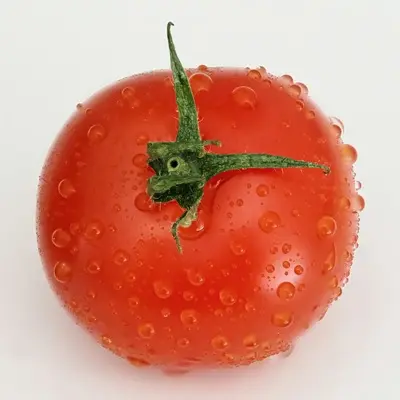
A delightful miniature version of the classic Roma paste tomato, producing abundant clusters of small, elongated fruits perfect for snacking or cooking. These bite-sized gems pack all the meaty texture and rich flavor of full-sized paste tomatoes into a convenient cherry size. Excellent for continuous harvest throughout the season with remarkable productivity.
Harvest
75-85d
Days to harvest
Sun
Full sun
Zones
10–11
USDA hardiness
Height
1-10 feet
Planting Timeline
Showing dates for Cherry Roma in USDA Zone 7
All Zone 7 tomato →Zone Map
Click a state to update dates
Cherry Roma · Zones 10–11
Growing Details
Succession Planting
Cherry Roma is an indeterminate hybrid that keeps setting fruit until frost takes it down, so there's no staggered planting cadence the way there is with lettuce or radishes. Start seeds indoors 6–8 weeks before your last frost date, transplant out once nights are reliably above 50°F, and the plant does its own succession for you through the season.
One backup worth keeping: if you lose a plant to southern bacterial wilt or early blight before mid-June, a second transplant held in a 4-inch pot can still give you meaningful yield. Past early June, a new transplant won't have enough runway before heat and disease pressure shut production down.
Complete Growing Guide
Plant Cherry Roma seeds indoors 6-8 weeks before your last frost, as this cultivar's 75-85 day maturity demands an early start in cooler regions to reach peak productivity before season's end. Unlike indeterminate paste tomatoes, Cherry Roma grows more compactly at 1-10 feet, requiring moderate staking rather than aggressive pruning. This variety thrives in warm soil (65°F minimum) and benefits from consistent moisture to prevent the fruit-splitting that plagues cherry types during irregular watering cycles. Watch for early blight on lower foliage, a common pressure on dense-growing cultivars; improve airflow by removing leaves below the first fruit cluster once plants establish. Cherry Roma's meaty flesh resists the hollow-center defect of some cherry varieties, but rewards weekly harvesting at the pink-shoulder stage, which signals peak flavor development while encouraging continuous new flower production throughout summer.
Light: Full sun (6 or more hours of direct sunlight a day). Soil: Clay, High Organic Matter, Loam (Silt), Sand. Soil pH: Acid (<6.0), Neutral (6.0-8.0). Drainage: Good Drainage, Moist. Height: 1 ft. 0 in. - 10 ft. 0 in.. Spread: 1 ft. 0 in. - 4 ft. 0 in.. Spacing: 3 feet-6 feet. Growth rate: Rapid. Maintenance: High. Propagation: Seed. Regions: Coastal, Mountains, Piedmont.
Harvesting
Cherry Roma tomatoes reach peak ripeness when they develop a deep red color throughout and measure approximately one-half to three-quarter inch in length, feeling slightly yielding when gently squeezed. Unlike single-harvest varieties, Cherry Roma produces continuously throughout the season, so regular picking every two to three days encourages prolific flowering and fruiting. Harvest in the early morning when fruits are still cool and firm, which helps preserve their meaty texture and concentrated flavor. Tomatoes picked at the cluster's base while still firm will continue ripening off the vine if needed, though allowing them to fully ripen on the plant maximizes their characteristic rich, slightly sweet taste.
The fruits are smooth, shiny, glossy, and are classified as berries. The size, shape, and color will vary depending on the variety or cultivar. The color of the fruits may be red, yellow, orange, green, purple, or pink. The fruits may contain over 100 yellow to light brown seeds.
Color: Gold/Yellow, Green, Orange, Pink, Purple/Lavender, Red/Burgundy, Variegated. Type: Berry. Length: > 3 inches. Width: > 3 inches.
Garden value: Edible, Showy
Harvest time: Fall, Summer
Edibility: The fruits or berries of the tomato are edible. They may be eaten raw, cooked, dried, or processed. They are a rich source of Vitamin A, Vitamin C, folic acid, and antioxidants. Lycopene is an antioxidant that gives the tomato its rich red color. Many plants will drop fruit when ripe or the fruit will come off easily. Tomatoes will continue to ripen once picked. Store them at room temperature.
Storage & Preservation
Store freshly harvested Cherry Roma tomatoes at room temperature away from direct sunlight until fully ripe, then refrigerate at 50–55°F in a breathable container to extend shelf life to two to three weeks. Avoid sealing them in plastic, which traps moisture and encourages rot. These tomatoes excel at preservation due to their low water content and concentrated flavor. Freezing whole tomatoes works well—they thaw into a pulpy consistency ideal for sauce-making. Canning as whole tomatoes or sauce is reliable; their natural acidity supports safe water-bath processing. Drying intensifies their already rich flavor and requires only four to six hours in a 200°F oven before storing in airtight containers. Fermentation is another option, producing a tangy product with extended shelf life. Given their smaller size and thin skin, Cherry Roma tomatoes dry more quickly and evenly than larger varieties, making them particularly suited to dehydration methods.
History & Origin
Cherry Roma emerged as a modern miniaturization of the heirloom Roma VF tomato, a beloved paste variety with deep roots in Italian and Mediterranean gardening traditions. While specific breeder attribution and introduction year remain undocumented in readily available sources, the variety reflects the late twentieth-century trend of seed companies downsizing popular full-sized varieties into cherry-sized counterparts for home gardeners. This approach capitalized on consumer demand for familiar flavors in convenient formats. Cherry Roma likely derives from deliberate selection within existing Roma germplasm lines, maintaining the distinctive elongated fruit shape and low-moisture, meaty flesh characteristic of its larger progenitor while reducing overall plant productivity demands and fruit size.
Origin: Peru
Advantages
- +Abundant clusters produce continuous harvests throughout the growing season
- +Meaty paste tomato texture in convenient bite-sized cherry format
- +Concentrated rich flavor with low moisture content ideal for cooking
- +Matures quickly in 75-85 days with easy care requirements
- +Perfect snacking size eliminates need for slicing or chopping
Considerations
- -Vulnerable to early blight and late blight in humid climates
- -Susceptible to blossom end rot requiring consistent soil moisture management
- -Multiple pest pressures including hornworms, aphids, and spider mites
Companion Plants
Basil is the go-to pairing, but the pest-repellent claims don't hold up well under scrutiny. What basil actually does is flag its own stress clearly — waterlogged roots, cold nights below 50°F — and those conditions stress Cherry Roma in the same ways. Think of it as a canary more than a bodyguard. Marigolds are a better argument for pest management: French marigolds (Tagetes patula) produce root exudates that suppress root-knot nematodes, which is genuinely useful in sandy soils where nematode pressure builds up on tomatoes over successive seasons. Interplant them at 12-inch intervals through the bed rather than just along the edges, where they're mostly decorative.
Carrots and parsley are low-drama neighbors — they stay shallow and don't compete for the moisture depth that an indeterminate tomato pulls from. Nasturtiums pull double duty: they attract aphid predators like ladybugs and lacewings, and they act as a trap crop, drawing aphids off the tomatoes onto themselves. That's a real mechanism. Chives work similarly, and their flowers bring in beneficial insects through most of the season.
Keep fennel out of the tomato bed entirely — it's allelopathic to most vegetables and will suppress growth within a couple of feet. Brassicas (broccoli, cabbage, kale) compete hard for the same soil nutrients and have no business within 18–24 inches of a tomato. Corn is worth a specific mention: the tomato fruitworm and the corn earworm are the same insect, Helicoverpa zea, just working different hosts. Planting corn and tomatoes adjacent concentrates that pest pressure in one spot.
Plant Together
Basil
Repels aphids, whiteflies, and hornworms while potentially improving tomato flavor
Marigolds
Deters nematodes, aphids, and whiteflies with natural compounds
Carrots
Helps break up soil for tomato roots and doesn't compete for nutrients
Parsley
Attracts beneficial insects like hoverflies and parasitic wasps
Chives
Repels aphids and may help prevent fungal diseases
Nasturtiums
Acts as trap crop for aphids and cucumber beetles
Oregano
Repels various pests and attracts beneficial pollinators
Lettuce
Provides ground cover and utilizes different soil nutrients
Keep Apart
Black Walnut
Produces juglone toxin that causes wilting and stunted growth
Fennel
Inhibits growth through allelopathic compounds and attracts harmful insects
Brassicas
Competes for similar nutrients and may stunt tomato growth
Corn
Both attract corn earworm/tomato fruitworm, increasing pest pressure
Nutrition Facts
Per 100g serving. % Daily Value based on 2,000 calorie diet. Source: USDA FoodData Central (FDC #171719)
Pests & Disease Resistance
Resistance
Good resistance to verticillium wilt, fusarium wilt, and tobacco mosaic virus
Common Pests
Tomato hornworm, aphids, cutworms, spider mites
Diseases
Early blight, late blight, bacterial spot, blossom end rot
Troubleshooting Cherry Roma
What you'll see, why it happens, and what to do about it.
Dark brown bullseye rings on lower leaves starting around day 45–50 after transplant, working up the plant
Likely Causes
- Early blight (Alternaria solani) — soil-borne fungus that splashes up onto foliage during rain or overhead watering
- Crowded spacing under 18 inches, which traps humidity and slows leaf drying
What to Do
- 1.Strip affected lower leaves immediately and bag them for the trash — not the compost pile
- 2.Lay 3–4 inches of straw mulch around the base to stop soil splash
- 3.NC State Extension recommends rotating nightshades out of the same bed for at least 3–4 years; for persistent tomato disease pressure, 5–7 years is more realistic
Sunken, leathery black or brown patch on the bottom of fruit, usually on the first clusters to set
Likely Causes
- Blossom end rot — calcium deficiency in the developing fruit, caused by irregular watering that disrupts calcium uptake even when Ca is present in the soil
- Moisture fluctuations from letting the soil dry out then soaking it, common with container-grown plants
What to Do
- 1.Water consistently — Cherry Roma needs high, even moisture; drip irrigation or a strict hand-watering schedule beats sporadic deep soaks
- 2.Mulch heavily to buffer soil moisture swings between rain events
- 3.If your soil pH is below 6.0, lime it toward 6.2–6.8 to improve calcium availability — get a soil test before adding anything
Pale, stippled leaves that look dusty or bronzed, with fine webbing on the undersides in hot, dry weather
Likely Causes
- Two-spotted spider mite (Tetranychus urticae) — populations explode when temperatures climb above 85°F and humidity drops
- Dusty conditions along garden edges, which suppress beneficial predatory mites that normally keep populations in check
What to Do
- 1.Knock mites off with a firm spray of water on the undersides of leaves — do this in the morning so foliage dries before nightfall
- 2.If the infestation is heavy, apply insecticidal soap or neem oil directly to leaf undersides; repeat every 5–7 days for 2–3 applications
- 3.Avoid broad-spectrum insecticides that wipe out predatory mite populations and make the problem worse the following week
Frequently Asked Questions
How long does Cherry Roma take to grow from seed?▼
Can you grow Cherry Roma tomatoes in containers?▼
What does Cherry Roma taste like compared to regular cherry tomatoes?▼
Is Cherry Roma good for beginners?▼
When should I plant Cherry Roma tomatoes?▼
Cherry Roma vs regular Roma tomatoes - what's the difference?▼
Zone-by-Zone Planting Calendar
| Zone | Indoor Start | Transplant | Direct Sow | Harvest |
|---|---|---|---|---|
| Zone 3 | April – April | June – July | — | September – October |
| Zone 4 | March – April | June – June | — | August – October |
| Zone 5 | March – March | May – June | — | August – October |
| Zone 6 | March – March | May – June | — | August – October |
| Zone 7 | February – March | April – May | — | July – September |
| Zone 8 | February – February | April – May | — | July – September |
| Zone 9 | January – January | March – April | — | June – August |
| Zone 10 | January – January | February – March | — | May – July |
| Zone 1 | May – May | July – August | — | October – August |
| Zone 2 | April – May | June – July | — | September – September |
| Zone 11 | January – January | January – February | — | April – June |
| Zone 12 | January – January | January – February | — | April – June |
| Zone 13 | January – January | January – February | — | April – June |
Growing Guides from Wind River Greens
Sources & References
External authority sources used in compiling this guide.
See the Methodology page for how this data is sourced, what's AI-assisted, and known limitations.