Burpee's Big Girl
Solanum lycopersicum 'Big Girl'
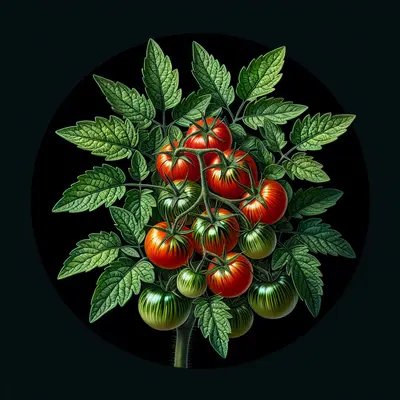
A reliable and productive hybrid that combines the large fruit size of beefsteak varieties with excellent disease resistance. Big Girl produces smooth, crack-resistant tomatoes that are perfect for slicing, making it a favorite among both novice and experienced gardeners who want consistent results with minimal fuss.
Harvest
78-85d
Days to harvest
Sun
Full sun
Zones
10–11
USDA hardiness
Height
1-10 feet
Planting Timeline
Showing dates for Burpee's Big Girl in USDA Zone 7
All Zone 7 tomato →Zone Map
Click a state to update dates
Burpee's Big Girl · Zones 10–11
Growing Details
Succession Planting
Big Girl is an indeterminate hybrid that keeps setting fruit until frost finishes it, so you don't succession-plant it the way you would lettuce or radishes — one or two transplants per season is standard. Start seeds indoors 6–8 weeks before your last frost (late February to mid-March in zone 7), and get transplants in the ground from mid-April through May once nighttime lows hold reliably above 50°F.
What you can plan is the bed rotation. NC State Extension's organic gardening guidance recommends a three- to four-year sequence — fruit crop, then root, then stem, then leaf — to break pest and disease cycles. For persistent soilborne problems like early blight (Alternaria solani) or Septoria lycopersici, NC State Extension notes the rotation window may need to stretch to five to seven years. The UGA Vegetable Garden Calendar flags tomato hornworm and fruit worm as active scouts-required pests from May onward, so note which beds drew pressure this season before you decide where next year's tomatoes go.
Complete Growing Guide
For best results with Burpee's Big Girl, start seeds indoors six to eight weeks before your last spring frost date. This timing ensures you'll have robust transplants ready to move outside right after frost danger passes, allowing you to hit that 78 to 85-day harvest window while taking full advantage of the growing season. If you prefer direct sowing, wait until soil temperatures reach at least 60°F and all frost risk has passed, though indoor starting generally produces more vigorous plants and earlier harvests.
When transplanting, space Big Girl plants 24 to 36 inches apart in full sun—at least six to eight hours daily. This hybrid grows vigorously, reaching heights of up to 10 feet if left unpruned, so adequate spacing prevents crowding and improves air circulation. Prepare soil rich in organic matter with a pH between 6.0 and 6.8. Mix in aged compost and a balanced slow-release fertilizer at planting time, then side-dress with compost every three to four weeks throughout the season. This steady feeding schedule supports the large fruit production Big Girl is known for without promoting excessive foliage at the expense of tomatoes.
Water deeply and consistently, providing one to two inches weekly through drip irrigation or soaker hoses rather than overhead spraying. This practice is especially critical for Big Girl because inconsistent watering triggers blossom-end rot—a particular vulnerability for this variety despite its disease resistance. When weather turns hot and dry, you may need to water more frequently. Mulch around plants with two to three inches of organic material to maintain even soil moisture and regulate temperature.
Big Girl's crack-resistant skin makes it forgiving, but vigilance against pests remains essential. Scout regularly for tomato hornworms, which can defoliate plants quickly, and handpick or use organic controls like Bacillus thuringiensis. Cutworms pose the greatest threat at planting time; protect young transplants with cardboard collars. Aphids and spider mites proliferate in heat and drought, so maintaining consistent watering and spraying with insecticidal soap when needed prevents population explosions.
For diseases, Big Girl offers solid resistance to early blight and septoria leaf spot, but these problems can still appear under poor air conditions. Remove lower leaves as plants grow to improve airflow, and avoid wetting foliage during watering. Blossom-end rot remains the variety's Achilles heel—more critical to manage here than with other tomato types. Maintain uniform soil moisture and ensure adequate calcium availability through consistent feeding.
Prune suckers on Big Girl to focus energy on fruit production and improve air circulation around the dense canopy. As plants reach five to six feet, consider removing some lower foliage to further reduce disease pressure. Stake or trellis plants firmly; the large fruit loads require sturdy support. Most gardeners underestimate Big Girl's vigor and fail to provide adequate support structures, resulting in broken branches and lost harvests during peak production.
Harvesting
Big Girl tomatoes reach peak harvest readiness when they develop a deep, uniform red color across the entire fruit surface and feel slightly soft when gently squeezed. The tomatoes should measure around 4-5 inches in diameter and show no green shoulders or pale streaking. This variety produces fruit continuously throughout the season rather than in a single flush, rewarding regular harvesting with sustained yields. For optimal flavor and texture, pick tomatoes in the early morning when temperatures are cool, as this helps preserve their crack-resistant skin and sweet-tangy profile. Leaving fully ripe fruit on the vine longer than necessary can occasionally trigger splitting during warm, wet weather, so harvest promptly once the characteristic deep red appears.
The fruits are smooth, shiny, glossy, and are classified as berries. The size, shape, and color will vary depending on the variety or cultivar. The color of the fruits may be red, yellow, orange, green, purple, or pink. The fruits may contain over 100 yellow to light brown seeds.
Color: Gold/Yellow, Green, Orange, Pink, Purple/Lavender, Red/Burgundy, Variegated. Type: Berry. Length: > 3 inches. Width: > 3 inches.
Garden value: Edible, Showy
Harvest time: Fall, Summer
Edibility: The fruits or berries of the tomato are edible. They may be eaten raw, cooked, dried, or processed. They are a rich source of Vitamin A, Vitamin C, folic acid, and antioxidants. Lycopene is an antioxidant that gives the tomato its rich red color. Many plants will drop fruit when ripe or the fruit will come off easily. Tomatoes will continue to ripen once picked. Store them at room temperature.
Storage & Preservation
Store freshly harvested Big Girl tomatoes at room temperature away from direct sunlight until fully ripe, then refrigerate at 50–55°F with 85–90% humidity to extend shelf life to 2–3 weeks. Keep them in a breathable container or paper bag rather than sealed plastic, which traps moisture and promotes rot. Fresh tomatoes are best eaten within a few days of peak ripeness for optimal flavor. For preservation, these tomatoes freeze well whole or as sauce—simply core and freeze on a tray before bagging. They're also excellent candidates for canning as salsa, sauce, or juice given their balanced acid-to-sugar ratio. Drying concentrates their sweet-tangy character beautifully; slice, salt lightly, and dry in a warm oven or dehydrator. Because Big Girl tomatoes are relatively large with thick flesh, they retain their structure better than smaller varieties when processed, making them particularly reliable for both sauce and whole-fruit preservation methods.
History & Origin
Burpee's Big Girl was introduced by W. Atlee Burpee & Co. in the 1950s as part of their effort to develop home-garden tomato varieties combining large fruit size with disease resistance. The variety emerged from mid-century hybrid breeding programs that prioritized practical traits for American gardeners seeking reliable yields without extensive maintenance. While detailed documentation of the specific parentage and breeding timeline remains sparse in readily available sources, Big Girl represents the post-World War II era when seed companies systematized tomato improvement through controlled hybridization. The variety's lineage connects to broader beefsteak breeding traditions refined during this period of commercial vegetable improvement.
Origin: Peru
Advantages
- +Hybrid vigor ensures reliable production and consistent large fruit size
- +Excellent disease resistance reduces need for fungicide applications throughout season
- +Crack-resistant skin prevents splitting common in other beefsteak varieties
- +Well-balanced flavor profile appeals to fresh eating and slicing applications
- +Early maturity at 78-85 days allows harvest before late-season diseases
Considerations
- -Susceptible to blossom end rot in inconsistent watering conditions
- -Requires staking or caging due to indeterminate growth habit
- -Hornworm infestations can rapidly defoliate plants if unmonitored
- -Seeds cannot be saved since hybrid genetics do not breed true
Companion Plants
Basil planted within 12 inches of the tomato row is worth doing, though I'll be straight with you: the scientific evidence for pest suppression is thinner than the internet suggests, and the real payoff is having fresh basil 10 feet from your kitchen door at the same time your first Big Girls come in. French marigolds (Tagetes patula) are a more defensible choice on the pest front — their roots release alpha-terthienyl, which suppresses root-knot nematodes, and their flowers pull in predatory wasps that work aphid colonies on the lower stems. Carrots and chives fill out the bed without fighting for the same root zone; carrots loosen soil at 6–10 inches, well below the tomato root mass, and chives provide a low-level allium deterrent to aphids.
Fennel is allelopathic to most garden vegetables and will stunt tomatoes growing within a few feet of it — give it its own isolated spot or skip it entirely. Brassicas drag in their own pest traffic: imported cabbageworm, harlequin bug, and flea beetles are fixtures in our zone 7 Georgia gardens from May onward, and none of those belong anywhere near your tomatoes. Black walnut is the hardest no on the list — juglone toxicity moves through the soil and will kill tomato plants outright, sometimes before you connect the cause.
Plant Together
Basil
Repels aphids and whiteflies, may improve flavor
Marigolds
Deters nematodes and aphids, attracts beneficial insects
Carrots
Help break up soil and don't compete for nutrients
Parsley
Attracts beneficial insects like hoverflies and parasitic wasps
Chives
Repels aphids and may improve tomato flavor and growth
Nasturtiums
Act as trap crop for aphids and whiteflies
Lettuce
Provides ground cover and utilizes space efficiently
Peppers
Similar growing requirements and may help deter some pests
Keep Apart
Black Walnut
Produces juglone which is toxic to tomatoes
Fennel
Inhibits growth of most garden plants through allelopathy
Brassicas
Compete for nutrients and may stunt tomato growth
Corn
Both attract corn earworm and compete for nutrients
Nutrition Facts
Per 100g serving. % Daily Value based on 2,000 calorie diet. Source: USDA FoodData Central (FDC #321360)
Pests & Disease Resistance
Resistance
Resistant to Verticillium wilt, Fusarium wilt races 1 & 2, and Tobacco Mosaic Virus (VFN)
Common Pests
Tomato hornworm, cutworms, aphids, spider mites
Diseases
Early blight, septoria leaf spot, blossom end rot
Troubleshooting Burpee's Big Girl
What you'll see, why it happens, and what to do about it.
Large chunks of foliage stripped overnight, with black pellet droppings on leaves and soil
Likely Causes
- Tomato hornworm (Manduca quinquemaculata) — the caterpillars can reach 4 inches and do serious damage fast
- Single hornworm overlooked during scouting due to green camouflage
What to Do
- 1.Hand-pick hornworms in the early morning when they're easier to spot; drop them in soapy water
- 2.Look for the frass (droppings) first, then trace upward to find the caterpillar
- 3.If populations are heavy, apply Bacillus thuringiensis (Bt) — it's effective on young larvae and won't harm beneficials
Lower leaves developing brown bullseye-patterned spots with yellow halos, starting around day 45–50 after transplant
Likely Causes
- Early blight (Alternaria solani) — a soil-borne fungus that splashes onto lower leaves during rain or overhead watering
- Crowded spacing under 18 inches that limits airflow and keeps foliage wet longer
What to Do
- 1.Strip affected lower leaves immediately and bag them for trash — do not compost
- 2.Lay 3–4 inches of straw mulch around the base to stop rain-splash transmission
- 3.NC State Extension recommends rotating nightshades out of the same bed for at least three to four years — for some tomato diseases that window may stretch to five to seven years
Circular, water-soaked spots on lower leaves that enlarge and turn tan with a yellow margin and tiny dark pycnidia (specks) in the center
Likely Causes
- Septoria leaf spot (Septoria lycopersici) — starts low on the plant and climbs upward during wet stretches
- Overhead irrigation or prolonged leaf wetness after summer thunderstorms
What to Do
- 1.Remove and dispose of affected leaves as soon as you see the first spots — don't wait for a second round
- 2.Switch to drip or soaker-hose irrigation to keep water off the foliage
- 3.Apply a copper-based fungicide on a 7–10 day schedule as a preventive if septoria has shown up in that bed before
Fruit developing a sunken, dark, leathery patch on the blossom end (the bottom of the tomato)
Likely Causes
- Blossom end rot — a calcium uptake disorder triggered by inconsistent soil moisture, not a pathogen
- Irregular watering (boom-and-bust cycles) that disrupts calcium movement into developing fruit
- Excessive nitrogen pushing rapid vine growth at the expense of fruit development
What to Do
- 1.Water Big Girl consistently — she has high water needs, and letting the soil dry out between deep soaks is the main trigger
- 2.Mulch heavily to buffer soil moisture swings through July and August heat spikes
- 3.Pull affected fruit and cut back on any high-nitrogen fertilizer; side-dress with balanced compost instead
Frequently Asked Questions
How long does Big Girl tomato take to grow from seed?▼
Can you grow Big Girl tomatoes in containers?▼
Is Big Girl tomato good for beginners?▼
What does Big Girl tomato taste like?▼
When should I plant Big Girl tomato seeds?▼
Big Girl vs Celebrity tomato - what's the difference?▼
Zone-by-Zone Planting Calendar
| Zone | Indoor Start | Transplant | Direct Sow | Harvest |
|---|---|---|---|---|
| Zone 1 | May – May | July – August | — | October – August |
| Zone 2 | April – May | June – July | — | September – September |
| Zone 11 | January – January | January – February | — | April – June |
| Zone 12 | January – January | January – February | — | April – June |
| Zone 13 | January – January | January – February | — | April – June |
| Zone 3 | April – April | June – July | — | September – October |
| Zone 4 | March – April | June – June | — | September – October |
| Zone 5 | March – March | May – June | — | August – October |
| Zone 6 | March – March | May – June | — | August – October |
| Zone 7 | February – March | April – May | — | July – September |
| Zone 8 | February – February | April – May | — | July – September |
| Zone 9 | January – January | March – April | — | June – August |
| Zone 10 | January – January | February – March | — | May – July |
Growing Guides from Wind River Greens
Sources & References
External authority sources used in compiling this guide.
See the Methodology page for how this data is sourced, what's AI-assisted, and known limitations.