Brandywine Red
Solanum lycopersicum 'Brandywine Red'
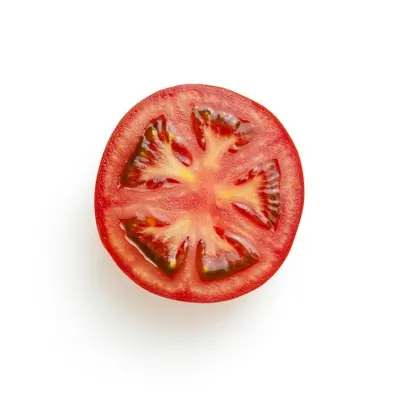
The gold standard of heirloom beefsteak tomatoes, Brandywine Red has been captivating gardeners since the 1880s with its extraordinary flavor and massive size. These pink-red giants can weigh over a pound each and offer the perfect balance of sweet and acidic notes that define what a tomato should taste like. A true slice-and-serve variety that transforms any sandwich or salad into a gourmet experience.
Harvest
85-100d
Days to harvest
Sun
Full sun
Zones
10–10
USDA hardiness
Height
1-10 feet
Planting Timeline
Showing dates for Brandywine Red in USDA Zone 7
All Zone 7 tomato →Zone Map
Click a state to update dates
Brandywine Red · Zones 10–10
Growing Details
Complete Growing Guide
Brandywine Red tomatoes require indoor sowing to maximize their lengthy 85-100 day growing season. Start seeds indoors 6-8 weeks before your last spring frost, as direct sowing outdoors rarely provides enough warm days for these giants to reach their full potential and develop their legendary flavor. Once seedlings have developed their first true leaves, transplant them into individual pots and maintain temperatures around 70°F. Harden off plants gradually over 7-10 days before moving them outdoors after all frost danger has passed and soil temperatures consistently reach 60°F.
Space Brandywine Red plants at least 30-36 inches apart, as these vigorous indeterminate vines can reach 6-10 feet tall and demand considerable room for air circulation. Plant seedlings deeply, burying the stem up to the first set of true leaves to encourage a stronger root system capable of supporting massive 1-pound plus fruits. Prepare your soil generously with 3-4 inches of aged compost and well-rotted manure, as Brandywine Red's substantial yields depend on rich, organic-matter-laden soil that drains well while retaining moisture.
Water consistently and deeply, providing 1-2 inches per week through drip irrigation or soaker hoses rather than overhead watering. This variety is particularly susceptible to fungal diseases, making wet foliage a serious concern. Mulch heavily around the base to maintain even soil moisture and prevent the calcium deficiency that triggers blossom-end rot—a frustratingly common problem with Brandywine Red that ruins countless harvests when watering becomes inconsistent. Feed every 3-4 weeks with a balanced fertilizer once flowering begins, then switch to a lower-nitrogen formula to encourage fruit development rather than excessive vine growth.
Brandywine Red's notorious vulnerability to late blight and early blight demands vigilant monitoring. Scout plants twice weekly for brown lesions on lower leaves, removing affected foliage immediately and disposing of it in the trash rather than composting. Provide robust trellising or caging systems and prune suckers aggressively to open up the plant's interior for air movement. Watch carefully for tomato hornworms, which can defoliate these plants alarmingly fast, and hand-pick them or apply Bacillus thuringiensis at first sign of damage. Whiteflies and aphids also plague this variety, so monitor undersides of leaves regularly.
The most critical mistake gardeners make with Brandywine Red is inadequate support and pruning. These vigorous vines produce heavy fruit that will snap unsupported branches, and dense foliage creates perfect conditions for fungal diseases. Invest in sturdy stakes, cages, or trellises rated for heavy crops, and commit to regular sucker removal throughout the season. This extra effort rewards you with unmatched beefsteak flavor that justifies why this 140-year-old variety remains the standard against which all other heirlooms are measured.
Harvesting
Brandywine Red tomatoes reach peak harvest readiness when they develop their characteristic pink-red hue throughout—not a solid deep red, as this variety's coloring distinguishes it from other beefsteaks—and achieve substantial heft, typically exceeding one pound. Gently squeeze each fruit; they should yield slightly to pressure without feeling mushy, indicating optimal ripeness. These indeterminate plants produce fruit continuously throughout the season rather than in a single flush, rewarding patient harvesting into fall. For best flavor development, harvest tomatoes in the morning after dew dries but before afternoon heat peaks, as cooler temperatures help preserve the complex sweet-acid balance these heirloom giants are prized for.
The fruits are smooth, shiny, glossy, and are classified as berries. The size, shape, and color will vary depending on the variety or cultivar. The color of the fruits may be red, yellow, orange, green, purple, or pink. The fruits may contain over 100 yellow to light brown seeds.
Color: Gold/Yellow, Green, Orange, Pink, Purple/Lavender, Red/Burgundy, Variegated. Type: Berry. Length: > 3 inches. Width: > 3 inches.
Garden value: Edible, Showy
Harvest time: Fall, Summer
Edibility: The fruits or berries of the tomato are edible. They may be eaten raw, cooked, dried, or processed. They are a rich source of Vitamin A, Vitamin C, folic acid, and antioxidants. Lycopene is an antioxidant that gives the tomato its rich red color. Many plants will drop fruit when ripe or the fruit will come off easily. Tomatoes will continue to ripen once picked. Store them at room temperature.
Storage & Preservation
Store freshly harvested Brandywine Red tomatoes at room temperature (68-72°F) away from direct sunlight, as refrigeration damages their delicate flesh and mutes their renowned complex flavor. Keep them in a single layer in a breathable container or cardboard box rather than plastic, which traps moisture and accelerates spoilage. Maintain moderate humidity to prevent shriveling. At optimal room temperature, ripe tomatoes keep for 3-5 days; slightly underripe specimens stored this way may last a week. Given their tender texture and balanced acidity, these tomatoes are best enjoyed fresh and not recommended for canning or cooking applications. However, if you have excess harvest, freezing whole or in halves works adequately for winter soups or sauces, though the result lacks the fresh intensity that makes this variety special. For seed saving, allow a fully ripe tomato to fully ferment on the vine, then extract and dry seeds thoroughly before storage. The key with Brandywine Red is consuming it promptly during peak ripeness—patience through those 85-100 days to harvest is rewarded by just a brief window of peak eating quality.
History & Origin
The true origins of Brandywine Red remain somewhat obscured by time, though it emerged within American heirloom tomato traditions during the late nineteenth century. The variety's documented history traces primarily through seed-saving communities rather than formal breeding records, suggesting it arose from folk selection practices among gardeners in the eastern United States. While some sources associate it with the Brandywine Creek region of Pennsylvania and Delaware, definitive breeder attribution and exact introduction year lack clear documentation. The tomato's persistence and popularity since the 1880s demonstrates its value within heirloom seed networks, where gardeners selected and replanted superior specimens, establishing the distinctive characteristics recognized today.
Origin: Peru
Advantages
- +Exceptional rich, complex flavor that justifies heirloom tomato's legendary reputation
- +Massive one-pound fruits provide impressive yields per plant despite long season
- +Perfect sweet-acid balance makes Brandywine Red ideal for fresh eating and cooking
- +Classic beefsteak variety transforms ordinary sandwiches into gourmet dining experiences
Considerations
- -Vulnerable to late blight, early blight, fusarium wilt, and verticillium wilt diseases
- -Requires 85-100 days to maturity, limiting growing seasons in cooler climates
- -Susceptible to multiple pests including hornworms, aphids, cutworms, and whiteflies
- -Challenging growing difficulty demands experienced gardeners for consistent success
Companion Plants
Basil is worth planting within a foot or two of Brandywine Red — and if you're skeptical of the pest-confusion claims, plant it anyway, because you'll want it at harvest time regardless. Marigolds (Tagetes spp.) earn more than their reputation: in zone 7 Georgia gardens, root-knot nematode pressure is a real problem for heirloom tomatoes like this one, which carry no soilborne resistance, and a dense border of French marigolds planted 4–6 weeks before transplanting has measurable suppressive effect on nematode populations. Nasturtiums act as a soft trap crop for aphids — they draw the colonies off the tomatoes and onto stems you can monitor and cut. Keep fennel well clear, 20 feet minimum; its root exudates inhibit tomato growth through allelopathy, and the damage shows up as slow, underfed-looking plants with no obvious cause.
Plant Together
Basil
Repels aphids and whiteflies, may improve tomato flavor
Marigold
Deters nematodes and whiteflies with natural compounds
Nasturtium
Acts as trap crop for aphids and cucumber beetles
Parsley
Attracts beneficial insects like hoverflies and parasitic wasps
Carrots
Loosens soil for tomato roots and doesn't compete for nutrients
Oregano
Repels aphids and spider mites while attracting pollinators
Chives
Repels aphids and may help prevent fungal diseases
Borage
Attracts beneficial insects and may improve tomato growth
Keep Apart
Black Walnut
Produces juglone toxin that causes tomato wilt and stunting
Fennel
Inhibits growth through allelopathic compounds
Brassicas
Compete for nutrients and may stunt tomato growth
Corn
Both attract corn earworm, increasing pest pressure
Nutrition Facts
Per 100g serving. % Daily Value based on 2,000 calorie diet. Source: USDA FoodData Central (FDC #321360)
Pests & Disease Resistance
Resistance
Poor disease resistance typical of heirlooms. Susceptible to cracking, blight, and wilt diseases.
Common Pests
Tomato hornworm, aphids, cutworms, whiteflies
Diseases
Late blight, early blight, fusarium wilt, verticillium wilt, blossom end rot
Troubleshooting Brandywine Red
What you'll see, why it happens, and what to do about it.
Large patches of foliage going gray-green and collapsing fast — sometimes half the plant in 48 hours — with dark, water-soaked lesions on fruit
Likely Causes
- Late blight (Phytophthora infestans) — an oomycete that spreads explosively in cool, wet weather and can wipe out a planting in days
- Overhead irrigation or prolonged leaf wetness that keeps foliage damp overnight
What to Do
- 1.Remove and bag affected tissue immediately — do not compost it; NC State Extension's PDIC actively monitors late blight spread, so report suspicious cases at pdic.ncsu.edu
- 2.Switch to drip irrigation or water at the base only, early in the morning
- 3.Rotate this bed out of all nightshades (tomato, pepper, potato) for at least 3 years; NC State Extension IPM guidance puts the rotation window at 5–7 years if fusarium wilt or late blight has already hit the soil
Sunken, leathery black or brown patch on the bottom of fruit, usually showing up as the first tomatoes size up
Likely Causes
- Blossom end rot — calcium deficiency in the developing fruit, caused by inconsistent watering that disrupts Ca uptake even when soil calcium is adequate
- Overly deep or close cultivation that damages feeder roots within 12 inches of the stem
What to Do
- 1.Water deeply and consistently — Brandywine Red needs high, steady moisture; letting the soil swing from bone-dry to soaked is the main trigger
- 2.Mulch with 3–4 inches of straw to buffer soil moisture swings
- 3.Pull off affected fruit so the plant stops wasting energy on them; new fruit set after you stabilize watering will usually come in clean
Frequently Asked Questions
How long does Brandywine Red take to grow from seed to harvest?▼
Is Brandywine Red good for beginner gardeners?▼
Can you grow Brandywine Red tomatoes in containers?▼
What does Brandywine Red taste like compared to store tomatoes?▼
When should I start Brandywine Red seeds indoors?▼
Brandywine Red vs Cherokee Purple—what's the difference?▼
Zone-by-Zone Planting Calendar
| Zone | Indoor Start | Transplant | Direct Sow | Harvest |
|---|---|---|---|---|
| Zone 1 | May – May | July – August | — | October – August |
| Zone 2 | April – May | June – July | — | October – September |
| Zone 11 | January – January | January – February | — | May – July |
| Zone 12 | January – January | January – February | — | May – July |
| Zone 13 | January – January | January – February | — | May – July |
| Zone 3 | April – April | June – July | — | September – October |
| Zone 4 | March – April | June – June | — | September – October |
| Zone 5 | March – March | May – June | — | September – October |
| Zone 6 | March – March | May – June | — | August – October |
| Zone 7 | February – March | April – May | — | August – October |
| Zone 8 | February – February | April – May | — | July – September |
| Zone 9 | January – January | March – April | — | June – August |
| Zone 10 | January – January | February – March | — | June – August |
Growing Guides from Wind River Greens
Sources & References
External authority sources used in compiling this guide.
- ExtensionNC State Extension
- USDAUSDA FoodData Central
See the Methodology page for how this data is sourced, what's AI-assisted, and known limitations.