Brandywine Pink
Solanum lycopersicum 'Brandywine Pink'
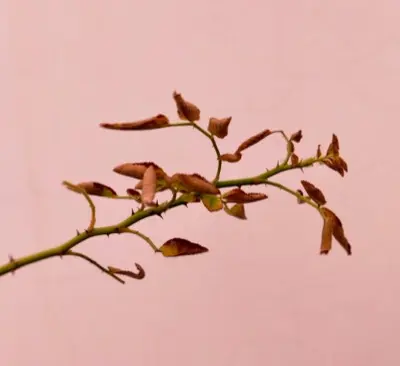
Often called the 'king of heirloom tomatoes,' this Amish variety from the 1880s produces massive pink fruits with an incomparable old-fashioned tomato flavor. The large, ribbed beefsteaks can weigh over a pound each and deliver the rich, complex taste that modern hybrids often lack. A must-grow for any serious tomato lover seeking the ultimate slicing tomato.
Harvest
85-100d
Days to harvest
Sun
Full sun
Zones
10–10
USDA hardiness
Height
1-10 feet
Planting Timeline
Showing dates for Brandywine Pink in USDA Zone 7
All Zone 7 tomato →Zone Map
Click a state to update dates
Brandywine Pink · Zones 10–10
Growing Details
Complete Growing Guide
Brandywine Pink demands patience and warmth; start seeds 6–8 weeks before your last frost and don't transplant until soil reaches 60°F, as this heirloom sulks in cool conditions and germinates slowly compared to modern hybrids. Plant in full sun (minimum 8 hours) with rich, well-draining soil amended with compost, since heavy feeders like this need consistent nutrition to produce those pound-plus fruits. This variety is notably susceptible to early blight and septoria leaf spot in humid climates, so provide excellent air circulation, mulch to prevent soil splash, and remove lower leaves as the plant matures. Brandywine Pink also tends toward indeterminate sprawl—expect it to reach 6–8 feet or beyond—so stake or cage robustly from the start. The critical practical tip: thin fruit clusters to 3–4 tomatoes per stem in mid-summer, sacrificing quantity for the massive, complex-flavored beefsteaks this cultivar is prized for.
Light: Full sun (6 or more hours of direct sunlight a day). Soil: Clay, High Organic Matter, Loam (Silt), Sand. Soil pH: Acid (<6.0), Neutral (6.0-8.0). Drainage: Good Drainage, Moist. Height: 1 ft. 0 in. - 10 ft. 0 in.. Spread: 1 ft. 0 in. - 4 ft. 0 in.. Spacing: 3 feet-6 feet. Growth rate: Rapid. Maintenance: High. Propagation: Seed. Regions: Coastal, Mountains, Piedmont.
Harvesting
Brandywine Pink tomatoes reach peak harvest readiness when they achieve a deep, dusty pink hue throughout—not just at the shoulders—and the fruit yields slightly to gentle palm pressure, indicating internal gel formation. At this stage, individual fruits typically weigh one pound or more and develop the characteristic rich flavor the variety is prized for. Unlike determinate varieties, Brandywine Pink produces fruit continuously throughout the season rather than all at once, so harvest ripe tomatoes every few days and leave immature fruit on the vine. A critical timing tip: pick fruits in early morning when temperatures are coolest to preserve delicate flavor compounds and extend shelf life, especially important for this variety's complex taste profile.
The fruits are smooth, shiny, glossy, and are classified as berries. The size, shape, and color will vary depending on the variety or cultivar. The color of the fruits may be red, yellow, orange, green, purple, or pink. The fruits may contain over 100 yellow to light brown seeds.
Color: Gold/Yellow, Green, Orange, Pink, Purple/Lavender, Red/Burgundy, Variegated. Type: Berry. Length: > 3 inches. Width: > 3 inches.
Garden value: Edible, Showy
Harvest time: Fall, Summer
Edibility: The fruits or berries of the tomato are edible. They may be eaten raw, cooked, dried, or processed. They are a rich source of Vitamin A, Vitamin C, folic acid, and antioxidants. Lycopene is an antioxidant that gives the tomato its rich red color. Many plants will drop fruit when ripe or the fruit will come off easily. Tomatoes will continue to ripen once picked. Store them at room temperature.
Storage & Preservation
Store freshly harvested Brandywine Pink tomatoes at room temperature (68–72°F) away from direct sunlight, arranged in a single layer on a breathable surface like a cardboard box or wooden crate. Avoid refrigeration unless fully ripe, as cold temperatures diminish their complex flavor profile. Whole fruits keep for 5–7 days at room temperature when mature but still firm.
For longer-term preservation, these tomatoes freeze well when crushed or diced in freezer bags, maintaining quality for up to eight months and working excellently in cooked applications like sauces and soups. Canning as whole tomatoes or sauce is reliable and preserves their rich taste. Drying intensifies their already concentrated sweetness, producing excellent sun-dried tomato products. Given their thin skins and high juice content, handle gently during harvest to minimize bruising, which accelerates spoilage on this heirloom variety.
History & Origin
The Brandywine Pink represents a branch within the broader Brandywine tomato lineage, though its precise origin remains somewhat obscured in heirloom documentation. While the original Brandywine (red) emerged from Amish communities in the 1880s, the pink variant's specific development history is less thoroughly recorded. Most sources attribute it to the same Amish-Mennonite seed-saving tradition, suggesting it arose either as a natural mutation or intentional selection within Brandywine populations in Pennsylvania. Like many heirloom variants, the pink form likely circulated informally through seed networks before gaining wider recognition among contemporary heirloom growers, making its exact breeder and introduction year difficult to definitively establish.
Origin: Peru
Advantages
- +Exceptional rich, complex flavor superior to most modern hybrid tomato varieties
- +Massive one-pound beefsteak fruits ideal for slicing and showcase-worthy harvests
- +Historic 1880s Amish heirloom variety with proven reliability and culinary reputation
- +Long 85-100 day season allows extended harvest window in most climates
Considerations
- -Highly susceptible to late blight, early blight, and fusarium wilt diseases
- -Prone to fruit cracking and blossom end rot requiring careful watering management
- -Moderate to difficult growing difficulty demands experience and attentive plant care
- -Vulnerable to multiple pests including hornworms, aphids, and cutworms requiring monitoring
Companion Plants
Basil is the go-to pairing here, but be honest with yourself about why — the real payoff is having it six feet away at harvest time, not documented pest suppression, though aphid confusion from volatile oils is at least a plausible mechanism. Marigolds, specifically Tagetes patula, are more defensible: their root secretions suppress soil nematodes, and that matters more with Brandywine Pink than with a hybrid, because NC State Extension notes that heirloom varieties lack the soilborne disease resistance bred into modern cultivars. Chives and nasturtiums both deter aphids through scent and are worth tucking into gaps. Fennel is the one to pull from the entire bed — it produces anethole and other compounds that inhibit neighboring plants, and tomatoes within 3–4 feet will show it in stunted growth. Black walnut is a hard no: juglone saturates the soil around the drip line and kills nightshades outright.
Plant Together
Basil
Repels aphids, whiteflies, and tomato hornworms while potentially improving tomato flavor
Marigold
Deters nematodes, whiteflies, and other harmful insects with natural compounds
Carrots
Loosens soil around tomato roots and doesn't compete for nutrients
Parsley
Attracts beneficial insects like parasitic wasps that control tomato pests
Chives
Repels aphids and may help prevent fungal diseases
Lettuce
Provides ground cover to retain soil moisture and has shallow roots that don't compete
Nasturtium
Acts as trap crop for aphids and cucumber beetles while repelling whiteflies
Oregano
Repels many insects and may provide some disease resistance benefits
Keep Apart
Black Walnut
Releases juglone toxin that causes tomato wilt and stunted growth
Fennel
Inhibits growth of tomatoes through allelopathic compounds
Corn
Both attract corn earworm/tomato fruitworm, increasing pest pressure for both crops
Nutrition Facts
Per 100g serving. % Daily Value based on 2,000 calorie diet. Source: USDA FoodData Central (FDC #321360)
Pests & Disease Resistance
Resistance
Poor disease resistance, susceptible to most tomato diseases
Common Pests
Tomato hornworm, aphids, cutworms
Diseases
Late blight, early blight, fusarium wilt, cracking, blossom end rot
Troubleshooting Brandywine Pink
What you'll see, why it happens, and what to do about it.
Large patches of foliage turning gray-green and collapsing fast — sometimes overnight — with dark, water-soaked lesions on fruit
Likely Causes
- Late blight (Phytophthora infestans) — airborne spores spread rapidly in cool, wet weather, especially below 70°F with high humidity
- Overhead irrigation or prolonged leaf wetness accelerating spread
What to Do
- 1.Pull and bag affected plants immediately — do not compost them; late blight can spread to neighboring plots within 24 hours
- 2.Switch to drip irrigation to keep foliage dry
- 3.NC State Extension's PDIC tracks late blight by region and year — check their alerts before the season starts so you know whether pressure is high in your area
Lower leaves developing small, dark brown bullseye spots with yellow halos, progressing up the plant from day 45 onward
Likely Causes
- Early blight (Alternaria solani) — soil-borne fungus that splashes up onto lower leaves during rain or irrigation
- Planting under 36 inches apart, trapping moisture and cutting airflow
What to Do
- 1.Strip affected lower leaves and trash them — not the compost pile
- 2.Lay 3–4 inches of straw mulch around the base to stop rain splash
- 3.Rotate this bed out of nightshades for at least 2 seasons; Brandywine Pink is an heirloom with no built-in disease resistance, so rotation matters more here than with a resistant hybrid like 'Mountain Merit'
Fruit developing a sunken, leathery black or brown patch on the blossom end before fully ripe
Likely Causes
- Blossom end rot — calcium deficiency in developing fruit caused by wet-dry moisture cycles preventing uptake, not always by low soil calcium levels
- Root damage from cultivating too close to the plant, limiting the roots' ability to move calcium
What to Do
- 1.Water on a consistent schedule — Brandywine Pink needs steady, high moisture; one week of letting it dry out can trigger this across an entire set of fruit
- 2.Mulch to buffer soil moisture swings and keep soil pH between 6.2 and 6.8 where calcium stays available
- 3.Stop cultivating within 12 inches of the stem once plants are established
Frequently Asked Questions
How long does Brandywine Pink take to grow from seed?▼
Is Brandywine Pink good for beginners?▼
Can you grow Brandywine Pink in containers?▼
What does Brandywine Pink taste like compared to other tomatoes?▼
When should I plant Brandywine Pink seeds?▼
Brandywine Pink vs Cherokee Purple - what's the difference?▼
Zone-by-Zone Planting Calendar
| Zone | Indoor Start | Transplant | Direct Sow | Harvest |
|---|---|---|---|---|
| Zone 3 | April – April | June – July | — | September – October |
| Zone 4 | March – April | June – June | — | September – October |
| Zone 5 | March – March | May – June | — | September – October |
| Zone 6 | March – March | May – June | — | August – October |
| Zone 7 | February – March | April – May | — | August – October |
| Zone 8 | February – February | April – May | — | July – September |
| Zone 9 | January – January | March – April | — | June – August |
| Zone 10 | January – January | February – March | — | June – August |
| Zone 1 | May – May | July – August | — | October – August |
| Zone 2 | April – May | June – July | — | October – September |
| Zone 11 | January – January | January – February | — | May – July |
| Zone 12 | January – January | January – February | — | May – July |
| Zone 13 | January – January | January – February | — | May – July |
Growing Guides from Wind River Greens
Sources & References
External authority sources used in compiling this guide.
See the Methodology page for how this data is sourced, what's AI-assisted, and known limitations.