Black Cherry
Solanum lycopersicum
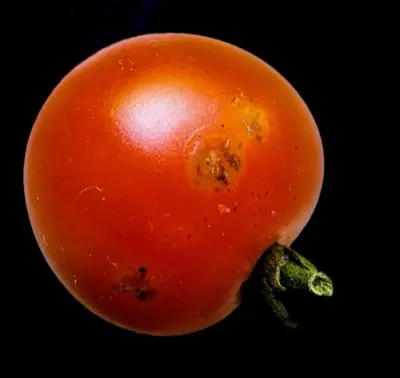
Bred in Florida by the late Vince Sapp, the round, 20 gm. fruits are a pleasant purple-brown color. Regarded as one of the best-tasting tomatoes. High yielding. Try as we may, we haven't found a hybrid that can beat Black Cherry. Indeterminate.
Harvest
64d
Days to harvest
Sun
Full sun
Zones
10–11
USDA hardiness
Height
1-10 feet
Planting Timeline
Showing dates for Black Cherry in USDA Zone 7
All Zone 7 tomato →Zone Map
Click a state to update dates
Black Cherry · Zones 10–11
Growing Details
Complete Growing Guide
Bred in Florida by the late Vince Sapp, the round, 20 gm. fruits are a pleasant purple-brown color. Regarded as one of the best-tasting tomatoes. High yielding. Try as we may, we haven't found a hybrid that can beat Black Cherry. Indeterminate. According to Johnny's Selected Seeds, Black Cherry is 64 days to maturity, annual, open pollinated, indeterminate growth habit. Notable features: Organic Seeds, Plants, and Supplies.
Light: Full sun (6 or more hours of direct sunlight a day). Soil: Clay, High Organic Matter, Loam (Silt), Sand. Soil pH: Acid (<6.0), Neutral (6.0-8.0). Drainage: Good Drainage, Moist. Height: 1 ft. 0 in. - 10 ft. 0 in. Spread: 1 ft. 0 in. - 4 ft. 0 in. Spacing: 3 feet-6 feet. Growth rate: Rapid. Maintenance: High. Propagation: Seed. Regions: Coastal, Mountains, Piedmont.
Harvesting
Black Cherry reaches harvest at 64 days from sowing per Johnny's Selected Seeds. Expect 20 g at peak. As an annual, harvest continues until frost ends the season.
The fruits are smooth, shiny, glossy, and are classified as berries. The size, shape, and color will vary depending on the variety or cultivar. The color of the fruits may be red, yellow, orange, green, purple, or pink. The fruits may contain over 100 yellow to light brown seeds.
Color: Gold/Yellow, Green, Orange, Pink, Purple/Lavender, Red/Burgundy, Variegated. Type: Berry. Length: > 3 inches. Width: > 3 inches.
Garden value: Edible, Showy
Harvest time: Fall, Summer
Edibility: The fruits or berries of the tomato are edible. They may be eaten raw, cooked, dried, or processed. They are a rich source of Vitamin A, Vitamin C, folic acid, and antioxidants. Lycopene is an antioxidant that gives the tomato its rich red color. Many plants will drop fruit when ripe or the fruit will come off easily. Tomatoes will continue to ripen once picked. Store them at room temperature.
Storage & Preservation
Store freshly harvested Black Cherry tomatoes at room temperature away from direct sunlight if using within a few days, as chilling below 55°F damages their delicate flavor. For longer storage, maintain 50–55°F and 85–90% humidity in a single layer, where they'll keep for up to two weeks. Use shallow containers to prevent bruising.
These tomatoes stay fresh at room temperature for about five to seven days at peak quality. For preservation, freezing works well for sauce or soup applications—simply halve and freeze on a tray before bagging. Their wine-like complexity also makes them excellent candidates for slow drying at low heat, which concentrates their sugars beautifully. Fermentation preserves their complexity nicely: pack whole or halved fruits in brine with aromatics for a distinctive condiment.
A particular strength of Black Cherry is their suitability for artisan vinegars and gastrique reductions; their complex sweetness develops almost wine-like notes when slowly reduced.
History & Origin
Black Cherry is open-pollinated, meaning seed saved from healthy plants will produce true-to-type offspring. Listed in the Johnny's Selected Seeds catalog.
Origin: Peru
Advantages
- +Exceptional wine-like flavor with smoky depth sets Black Cherry apart from hybrids
- +Prolific indeterminate producer yields abundant small fruits throughout season
- +Relatively quick 64-day maturity for heirloom-quality cherry tomato
- +Bred by legendary grower Vince Sapp with proven track record
Considerations
- -Susceptible to late blight and early blight in humid conditions
- -Requires consistent staking and pruning due to indeterminate growth habit
- -Vulnerable to multiple pests including hornworms and spider mites
- -Small 20-gram fruits demand more frequent harvesting than larger varieties
Companion Plants
Basil is the most consistent bed-mate — plant it 12–18 inches from each vine. The pest-deterrence story is thinner than seed catalogs suggest, but basil doesn't compete for water or root space, and that alone earns it a spot. Marigolds (Tagetes patula) do real work where root-knot nematodes have been a recurring problem; they're not ornamental filler here. Carrots tuck neatly into gaps at 3–4 inch spacing without pulling calcium away from the tomatoes. Keep fennel out entirely — it exudes allelopathic compounds that stunt most crops around it — and brassicas compete directly for the same soil calcium that Black Cherry needs to set fruit cleanly through a long season.
Plant Together
Basil
Repels aphids and whiteflies, may improve tomato flavor
Marigolds
Repel nematodes and other soil pests, attract beneficial insects
Carrots
Loosen soil for tomato roots, don't compete for nutrients
Parsley
Attracts beneficial insects and may improve tomato growth
Chives
Repel aphids and may improve tomato flavor and growth
Nasturtiums
Act as trap crop for aphids and cucumber beetles
Lettuce
Provides ground cover and doesn't compete with tomato roots
Borage
Repels tomato hornworms and may improve tomato flavor
Keep Apart
Black Walnut
Produces juglone which is toxic to tomatoes and causes wilting
Fennel
Inhibits growth of tomatoes through allelopathic compounds
Brassicas
Compete for nutrients and may stunt tomato growth
Corn
Both attract corn earworms and compete for nutrients
Nutrition Facts
Per 100g serving. % Daily Value based on 2,000 calorie diet. Source: USDA FoodData Central (FDC #171719)
Pests & Disease Resistance
Resistance
Moderate disease resistance, good heat tolerance, some cracking resistance
Common Pests
Tomato hornworm, aphids, whiteflies, spider mites
Diseases
Late blight, early blight, fusarium wilt, bacterial speck
Troubleshooting Black Cherry
What you'll see, why it happens, and what to do about it.
Large patches of foliage turning gray-green and collapsing fast — sometimes overnight — with dark water-soaked lesions on fruit
Likely Causes
- Late blight (Phytophthora infestans) — spreads explosively in cool, wet weather above 60% humidity
- Overhead watering that keeps foliage wet for extended periods
What to Do
- 1.Remove and bag affected plant material immediately — don't compost it
- 2.Switch to drip irrigation or water at the base only, early in the morning
- 3.Rotate this bed out of tomatoes and potatoes for at least 3 years; NC State Extension notes the rotation window for some tomato diseases can stretch to 5–7 years
Lower leaves developing dark bullseye spots with yellow halos, progressing up the plant around day 40–50 after transplant
Likely Causes
- Early blight (Alternaria solani) — soil-borne, splashes onto lower foliage during rain or irrigation
- Planting too close — Black Cherry vines at 18 inches crowd fast and cut airflow
What to Do
- 1.Strip affected lower leaves and trash them (not the compost bin)
- 2.Lay 3–4 inches of straw mulch around the base to stop soil splash
- 3.Give plants the full 24-inch spacing next season and keep them off the ground with a sturdy cage or stake
Whole plant wilts during the day but doesn't recover overnight; no obvious spots or rot on leaves
Likely Causes
- Fusarium wilt (Fusarium oxysporum f. sp. lycopersici) — soilborne fungus that blocks vascular tissue
- Southern bacterial wilt (Ralstonia solanacearum) — NC State Extension flags this as a distinct pathogen that won't respond to the same rotation strategy as fusarium
What to Do
- 1.Dig up and destroy the plant including the roots — don't leave them in the bed
- 2.Black Cherry is an heirloom with no built-in wilt resistance; NC State Extension's grafting guide (AG-675) recommends grafting heirloom varieties onto resistant rootstock as a practical workaround
- 3.If the same bed has had repeated wilt losses, grow in containers with fresh potting mix and keep that mix from contacting native soil
Frequently Asked Questions
How long does Black Cherry tomato take to grow from seed to harvest?▼
Can you grow Black Cherry tomatoes in containers?▼
What does Black Cherry tomato taste like compared to regular cherry tomatoes?▼
Is Black Cherry tomato good for beginners?▼
When should I plant Black Cherry tomato seeds?▼
How do you tell when Black Cherry tomatoes are ripe?▼
Zone-by-Zone Planting Calendar
| Zone | Indoor Start | Transplant | Direct Sow | Harvest |
|---|---|---|---|---|
| Zone 3 | April – April | June – July | — | August – October |
| Zone 4 | March – April | June – June | — | August – October |
| Zone 5 | March – March | May – June | — | August – October |
| Zone 6 | March – March | May – June | — | July – September |
| Zone 7 | February – March | April – May | — | July – September |
| Zone 8 | February – February | April – May | — | June – August |
| Zone 9 | January – January | March – April | — | May – July |
| Zone 10 | January – January | February – March | — | May – July |
| Zone 1 | May – May | July – August | — | September – August |
| Zone 2 | April – May | June – July | — | September – September |
| Zone 11 | January – January | January – February | — | April – June |
| Zone 12 | January – January | January – February | — | April – June |
| Zone 13 | January – January | January – February | — | April – June |
Growing Guides from Wind River Greens
Sources & References
External authority sources used in compiling this guide.
- BreederJohnny's Selected Seeds
- USDAUSDA FoodData Central
See the Methodology page for how this data is sourced, what's AI-assisted, and known limitations.