Big Boy
Solanum lycopersicum 'Big Boy'
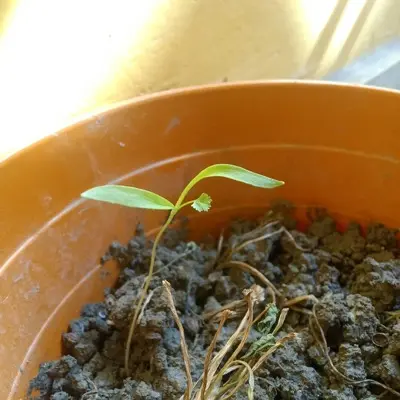
America's most famous hybrid tomato, introduced in 1949 and still a top choice for gardeners seeking reliable, large red tomatoes with classic flavor. This dependable variety consistently produces smooth, round fruits weighing up to a pound each, making it perfect for gardeners who want the satisfaction of growing impressive tomatoes without the challenges of finicky heirlooms.
Harvest
78-85d
Days to harvest
Sun
Full sun
Zones
10–11
USDA hardiness
Height
1-10 feet
Planting Timeline
Showing dates for Big Boy in USDA Zone 7
All Zone 7 tomato →Zone Map
Click a state to update dates
Big Boy · Zones 10–11
Growing Details
Complete Growing Guide
Big Boy's 78-85 day maturity makes it ideal for planting 6-8 weeks before your first frost date, earlier than many indeterminate varieties, giving you a longer harvest window. This hybrid demands full sun (minimum 8 hours daily) and consistent warmth—soil temperatures below 60°F will stall growth and delay fruiting. While Big Boy resists many common tomato diseases, its vigorous vining growth makes it particularly susceptible to early blight in humid conditions, so ensure good air circulation and avoid overhead watering. The heavy fruit load typical of this cultivar can snap branches; use sturdy cages or stakes and prune suckers moderately to prevent overburdening. One essential tip: side-dress with balanced fertilizer every 3-4 weeks once flowering begins, since the large fruits demand consistent nutrient availability to reach full pound-size potential without developing blossom-end rot.
Light: Full sun (6 or more hours of direct sunlight a day). Soil: Clay, High Organic Matter, Loam (Silt), Sand. Soil pH: Acid (<6.0), Neutral (6.0-8.0). Drainage: Good Drainage, Moist. Height: 1 ft. 0 in. - 10 ft. 0 in.. Spread: 1 ft. 0 in. - 4 ft. 0 in.. Spacing: 3 feet-6 feet. Growth rate: Rapid. Maintenance: High. Propagation: Seed. Regions: Coastal, Mountains, Piedmont.
Harvesting
Harvest Big Boy tomatoes when they achieve a deep red color throughout and reach approximately one pound in weight, with skin that yields slightly to gentle pressure but remains firm. The fruits should feel heavy for their size, indicating full juice development. Big Boy produces fruit continuously throughout the season rather than all at once, so plan for multiple harvests by checking plants every two to three days during peak season. For best flavor, pick tomatoes in early morning after dew dries but before intense afternoon heat, as this timing preserves sugars and acidity at their optimal balance. Vine-ripened fruits taste superior to those ripened indoors, so allow them to fully color on the plant before harvesting.
The fruits are smooth, shiny, glossy, and are classified as berries. The size, shape, and color will vary depending on the variety or cultivar. The color of the fruits may be red, yellow, orange, green, purple, or pink. The fruits may contain over 100 yellow to light brown seeds.
Color: Gold/Yellow, Green, Orange, Pink, Purple/Lavender, Red/Burgundy, Variegated. Type: Berry. Length: > 3 inches. Width: > 3 inches.
Garden value: Edible, Showy
Harvest time: Fall, Summer
Edibility: The fruits or berries of the tomato are edible. They may be eaten raw, cooked, dried, or processed. They are a rich source of Vitamin A, Vitamin C, folic acid, and antioxidants. Lycopene is an antioxidant that gives the tomato its rich red color. Many plants will drop fruit when ripe or the fruit will come off easily. Tomatoes will continue to ripen once picked. Store them at room temperature.
Storage & Preservation
Store freshly harvested 'Big Boy' tomatoes at room temperature (68-72°F) away from direct sunlight until fully ripe, then refrigerate at 50-55°F if you need to extend shelf life by several days. Keep them in a single layer with good air circulation; avoid stacking to prevent bruising. Ripe fruit will keep for about a week in the refrigerator, though flavor diminishes as temperature drops. For longer preservation, these reliable producers are excellent candidates for canning whole or as sauce, taking advantage of their meaty flesh and balanced acidity. Freezing works well too—simply core and freeze whole on a tray before transferring to bags; the skins slip off easily when thawed. Drying is also worthwhile given their size and low seed content. Because 'Big Boy' produces abundantly during peak season, many gardeners process several quarts at once to avoid waste and capture that classic homegrown flavor throughout the year.
History & Origin
Introduced by Burpee in 1949, Big Boy emerged as one of the first widely marketed hybrid tomatoes in America, capitalizing on post-war enthusiasm for home gardening and modern agricultural innovation. While specific breeder attribution remains elusive in available documentation, Big Boy represents the early-generation hybrid breeding programs that dominated American seed companies in the mid-twentieth century. The variety's development coincided with the rise of hybrid vigor as a breeding standard, prioritizing yield, uniformity, and disease resistance over the idiosyncratic traits of heirloom varieties. Big Boy's commercial success helped establish the template for mainstream tomato breeding that persists today.
Origin: Peru
Advantages
- +Produces impressively large one-pound fruits that satisfy gardeners
- +Classic well-balanced sweet and tangy flavor makes excellent slicing tomatoes
- +Reliable hybrid vigor ensures consistent production across growing seasons
- +Medium maturity at 78-85 days fits most growing regions
- +Proven American favorite since 1949 demonstrates long-term garden success
Considerations
- -Susceptible to early blight and late blight in humid climates
- -Requires sturdy stakes or cages due to heavy fruit load
- -Vulnerable to multiple common pests including hornworms and whiteflies
- -Fusarium wilt resistance lacking makes soil-borne disease a concern
Companion Plants
Basil and marigolds are the two companions most worth actually planting near Big Boy. French marigolds (Tagetes patula) produce thiophenes in their roots that suppress soil nematodes — a documented mechanism, not folklore. Basil pulls its weight too, though not necessarily as a pest deterrent; the aromatic oils may confuse thrips and aphids at close range, and you'll have fresh basil within arm's reach of your tomatoes all summer, which is its own argument. Nasturtiums act as a trap crop for aphids — the pests cluster on them instead of your Big Boy plants — and their low sprawling habit shades the soil surface between transplants spaced 24–36 inches apart.
Fennel is the neighbor to cut loose first. Its roots release allelopathic compounds that stunt tomatoes and most other vegetables in the vicinity. Black walnut (Juglans nigra) is a harder problem to solve — the tree produces juglone through its root system and decomposing hulls, and tomatoes are among the most sensitive plants to it. If there's a walnut on or near your property, keep your tomato bed well outside its canopy spread. Corn rounds out the bad-neighbor list for a different reason: it competes hard for nitrogen at similar soil depths and shares cutworm pressure with tomatoes, so you're doubling your pest management load for no real benefit.
Plant Together
Basil
Repels aphids and whiteflies, may improve flavor
Marigold
Deters nematodes and aphids with natural compounds
Carrots
Helps break up soil for tomato roots, doesn't compete for nutrients
Parsley
Attracts beneficial insects like hoverflies that eat aphids
Chives
Repels aphids and may help prevent fungal diseases
Nasturtium
Acts as trap crop for aphids and cucumber beetles
Oregano
Repels many pests and may enhance tomato flavor
Borage
Attracts pollinators and may repel hornworms
Keep Apart
Black Walnut
Produces juglone toxin that causes tomato wilt and death
Fennel
Inhibits growth of most garden plants through allelopathy
Brassicas
Compete for similar nutrients and may stunt tomato growth
Corn
Both attract corn earworms and compete for nitrogen
Nutrition Facts
Per 100g serving. % Daily Value based on 2,000 calorie diet. Source: USDA FoodData Central (FDC #321360)
Pests & Disease Resistance
Resistance
Good overall disease resistance, less prone to cracking than many large varieties.
Common Pests
Tomato hornworm, aphids, whiteflies, cutworms
Diseases
Early blight, late blight, fusarium wilt
Troubleshooting Big Boy
What you'll see, why it happens, and what to do about it.
Lower leaves developing dark brown bullseye rings, yellowing around the spots, starting around day 45–50 after transplant
Likely Causes
- Early blight (Alternaria solani) — a soil-borne fungus that splashes onto lower foliage during rain or overhead watering
- Crowded canopy with poor airflow keeping foliage wet longer than it should
What to Do
- 1.Strip all affected lower leaves immediately and bag them — don't compost them
- 2.Lay 3–4 inches of straw mulch around the base to stop soil splash
- 3.NC State Extension's IPM guidance recommends rotating nightshades out of an affected bed for at least 3–4 years; for some tomato diseases the rotation period stretches to 5–7 years
Large patches of foliage turning gray-green and collapsing fast — sometimes overnight — with dark water-soaked lesions on fruit
Likely Causes
- Late blight (Phytophthora infestans) — an oomycete that moves fast in cool, wet weather (nights below 65°F, high humidity)
- Infected transplants or spores blowing in from nearby potato or tomato plantings
What to Do
- 1.Pull and bag infected plants immediately — late blight can wipe out an entire row in under a week if left in place
- 2.Do not compost any plant material; dispose of it in the trash
- 3.NC State Extension's PDIC monitors late blight timing year to year — check their alerts before the season so you know if it's already moving through your area
Plant wilts during the day even with adequate soil moisture, doesn't recover at night, and eventually dies; vascular tissue inside the stem shows brown discoloration when cut
Likely Causes
- Fusarium wilt (Fusarium oxysporum f. sp. lycopersici) — a soil-borne fungus that colonizes and blocks the vascular system
- Planting in a bed that previously grew tomatoes, peppers, or eggplant within the last few seasons
What to Do
- 1.Dig out the affected plant including as much root mass as you can and dispose of it — don't leave roots in the ground
- 2.Don't replant tomatoes in that spot for at least 3–4 seasons; NC State Extension notes some soil-borne pathogens persist for years
- 3.Consider growing next year's plants in containers with fresh potting mix, making sure container soil doesn't contact native garden soil
Frequently Asked Questions
How long does Big Boy tomato take to grow?▼
Can you grow Big Boy tomatoes in containers?▼
Is Big Boy tomato good for beginners?▼
What does Big Boy tomato taste like?▼
When should I plant Big Boy tomato seeds?▼
Do Big Boy tomatoes need support?▼
Zone-by-Zone Planting Calendar
| Zone | Indoor Start | Transplant | Direct Sow | Harvest |
|---|---|---|---|---|
| Zone 3 | April – April | June – July | — | September – October |
| Zone 4 | March – April | June – June | — | September – October |
| Zone 5 | March – March | May – June | — | August – October |
| Zone 6 | March – March | May – June | — | August – October |
| Zone 7 | February – March | April – May | — | July – September |
| Zone 8 | February – February | April – May | — | July – September |
| Zone 9 | January – January | March – April | — | June – August |
| Zone 10 | January – January | February – March | — | May – July |
| Zone 1 | May – May | July – August | — | October – August |
| Zone 2 | April – May | June – July | — | September – September |
| Zone 11 | January – January | January – February | — | April – June |
| Zone 12 | January – January | January – February | — | April – June |
| Zone 13 | January – January | January – February | — | April – June |
Growing Guides from Wind River Greens
Sources & References
External authority sources used in compiling this guide.
See the Methodology page for how this data is sourced, what's AI-assisted, and known limitations.