Better Bush
Solanum lycopersicum 'Better Bush'
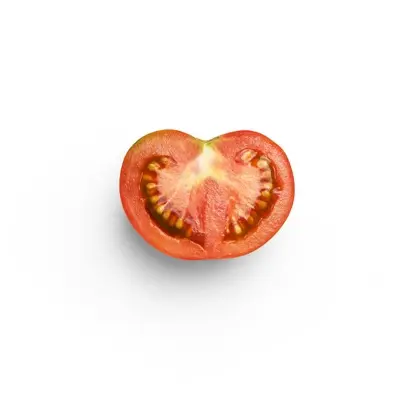
An award-winning compact determinate variety specifically bred for container gardening and small spaces without sacrificing fruit quality. This bush-type plant produces full-sized, meaty tomatoes on a sturdy 4-foot plant that rarely needs staking. Perfect for patio gardeners and beginners who want reliable, heavy yields in limited space.
Harvest
68-75d
Days to harvest
Sun
Full sun
Zones
10–11
USDA hardiness
Height
1-10 feet
Planting Timeline
Showing dates for Better Bush in USDA Zone 7
All Zone 7 tomato →Zone Map
Click a state to update dates
Better Bush · Zones 10–11
Growing Details
Succession Planting
Better Bush sets fruit over a long window rather than ripening all at once, so a single planting per season is the standard approach — you don't succession-sow tomatoes the way you would lettuce or radishes. Start seeds indoors 6–8 weeks before your last frost date (around April 1 in zone 7), transplant out in late April to early May once nights stay consistently above 50°F, and that one planting will carry you from July through first frost.
The one exception worth considering: if your first planting gets taken out early by late blight or southern bacterial wilt, you have a narrow window — roughly before July 1 in zone 7 — to get a second transplant in the ground and still expect a reasonable harvest before August heat shuts down fruit set. If disease pressure in your area has been high, keep a backup six-pack of transplants hardening off just in case.
Complete Growing Guide
Because Better Bush is a determinate variety, plan your harvest window within 68-75 days and succession-plant every 2-3 weeks if you want continuous fruit rather than one heavy flush. This compact cultivar thrives in containers with well-draining soil and benefits from consistent watering—erratic moisture causes blossom-end rot more readily in confined spaces than in-ground tomatoes. Unlike indeterminate varieties, Better Bush requires minimal pruning and rarely needs staking, so resist the urge to remove suckers aggressively, which can reduce yields. Watch for early blight in humid conditions since the dense foliage can trap moisture; improve air circulation by spacing containers adequately and removing lower leaves once fruit sets. A practical advantage: pinch off flower clusters in the first 2-3 weeks of growth to redirect energy into a stronger root system, resulting in heavier fruit production during peak season.
Light: Full sun (6 or more hours of direct sunlight a day). Soil: Clay, High Organic Matter, Loam (Silt), Sand. Soil pH: Acid (<6.0), Neutral (6.0-8.0). Drainage: Good Drainage, Moist. Height: 1 ft. 0 in. - 10 ft. 0 in.. Spread: 1 ft. 0 in. - 4 ft. 0 in.. Spacing: 3 feet-6 feet. Growth rate: Rapid. Maintenance: High. Propagation: Seed. Regions: Coastal, Mountains, Piedmont.
Harvesting
Harvest Better Bush tomatoes when they achieve a deep, uniform red color throughout and reach full size, typically 3 to 4 inches in diameter, while still maintaining slight give when gently squeezed. The fruit is ready when the shoulder (top near the stem) has fully colored, as this cultivar can sometimes ripen unevenly from bottom to top. Better Bush produces fruit continuously throughout the season rather than in a single flush, so plan to harvest every 2 to 3 days once production begins. Pick tomatoes in the early morning when temperatures are coolest to maximize shelf life and flavor retention, and remember that fruits picked at the breaker stage—showing just the first blush of color—will continue ripening off the vine if needed.
The fruits are smooth, shiny, glossy, and are classified as berries. The size, shape, and color will vary depending on the variety or cultivar. The color of the fruits may be red, yellow, orange, green, purple, or pink. The fruits may contain over 100 yellow to light brown seeds.
Color: Gold/Yellow, Green, Orange, Pink, Purple/Lavender, Red/Burgundy, Variegated. Type: Berry. Length: > 3 inches. Width: > 3 inches.
Garden value: Edible, Showy
Harvest time: Fall, Summer
Edibility: The fruits or berries of the tomato are edible. They may be eaten raw, cooked, dried, or processed. They are a rich source of Vitamin A, Vitamin C, folic acid, and antioxidants. Lycopene is an antioxidant that gives the tomato its rich red color. Many plants will drop fruit when ripe or the fruit will come off easily. Tomatoes will continue to ripen once picked. Store them at room temperature.
Storage & Preservation
Store freshly harvested Better Bush tomatoes at room temperature away from direct sunlight until fully ripe—refrigeration below 55°F damages flavor and texture. Keep them in a single layer on a counter or in a shallow container with good air circulation. Ripe tomatoes will keep for about one week at room temperature; refrigerated fruit lasts two to three weeks but tastes noticeably diminished.
For preservation, this variety's balanced acidity and firm flesh make it excellent for canning whole or as sauce using standard water bath or pressure canning methods. Freezing works well for cooking purposes: core and freeze whole on a tray, then transfer to bags. Drying in a low oven or dehydrator concentrates the sweet-tart profile beautifully. Because Better Bush produces abundantly over a concentrated window, batch-processing tomatoes into sauce or salsa within a few days of harvest captures peak flavor before ripeness advances too far.
History & Origin
The "Better Bush" tomato emerged from the determinant breeding lines developed by seed companies seeking compact cultivars suitable for container and small-space gardening during the latter twentieth century. While specific breeder attribution and introduction year remain incompletely documented in readily available sources, this variety represents the broader push by commercial seed houses to adapt full-sized slicing tomatoes into bush-type plants that maintain fruit quality without requiring extensive staking or pruning. The variety's development reflects decades of work within determinate breeding programs, building upon earlier compact tomato genetics to produce plants that balance productivity with practical horticultural constraints. Its award recognition underscores successful achievement of these breeding objectives.
Origin: Peru
Advantages
- +Compact 4-foot plant ideal for patios and container gardening without staking
- +Produces full-sized meaty tomatoes despite determinate bush growth habit
- +Early maturity at 68-75 days delivers harvests quickly in short seasons
- +Award-winning variety with balanced flavor, acidity, and sweetness for fresh eating
- +Heavy yields on small plant make it excellent for space-limited beginners
Considerations
- -Susceptible to early and late blight in humid or wet climates
- -Vulnerable to common pests including whiteflies, aphids, and tomato fruitworm
- -Determinate variety stops growing and producing after setting terminal flower cluster
- -Requires consistent watering and well-draining soil to prevent disease problems
Companion Plants
Basil and marigolds are the two I'd prioritize in the same bed. Basil goes in close — within 12–18 inches — partly because the volatile compounds may confuse thrips and aphids, but I'll be straight: I plant it there because I'm going to pick them both at the same time anyway. French marigolds (Tagetes patula specifically, not the big African types) release thiophenes from their roots that suppress root-knot nematodes in the soil. In our zone 7 Georgia gardens, nematode pressure builds up fast in warm sandy soils, and Better Bush's compact root zone makes it more vulnerable than a sprawling indeterminate would be. Nasturtiums pull aphids off the tomato foliage onto themselves — a genuine trap-crop effect — and carrots and lettuce fill in underneath without competing at the same root depth.
Fennel doesn't belong anywhere near this bed. It produces anethole, a compound that stunts most neighboring vegetables, and tomatoes are particularly sensitive to it. Brassicas are a problem for a different reason: they pull hard on the same calcium and magnesium reserves your tomatoes need through midsummer, and the first place that competition shows up is blossom end rot on the fruit. Black walnut is a hard no — juglone from the roots will kill a tomato plant outright, and the toxicity zone extends well past the tree's drip line.
Plant Together
Basil
Repels aphids and whiteflies, may improve tomato flavor
Marigolds
Deters nematodes and aphids with natural compounds
Carrots
Helps break up soil and doesn't compete for nutrients
Parsley
Attracts beneficial insects like hoverflies and parasitic wasps
Chives
Repels aphids and may improve tomato growth and flavor
Nasturtiums
Acts as trap crop for aphids and cucumber beetles
Lettuce
Provides ground cover and doesn't compete for resources
Borage
Attracts pollinators and may deter hornworms
Keep Apart
Black Walnut
Produces juglone which is toxic to tomato plants
Fennel
Inhibits growth of most garden plants through allelopathy
Brassicas
Competes for nutrients and may stunt tomato growth
Corn
Both attract corn earworm and compete for similar nutrients
Nutrition Facts
Per 100g serving. % Daily Value based on 2,000 calorie diet. Source: USDA FoodData Central (FDC #321360)
Pests & Disease Resistance
Resistance
Good resistance to verticillium wilt, fusarium wilt, and tobacco mosaic virus (VFFNt)
Common Pests
Whiteflies, aphids, tomato fruitworm
Diseases
Early blight, late blight, bacterial speck
Troubleshooting Better Bush
What you'll see, why it happens, and what to do about it.
Lower leaves developing dark brown bullseye spots with yellow halos, starting around day 45–50 after transplant
Likely Causes
- Early blight (Alternaria solani) — a soil-borne fungus that splashes up onto foliage during rain or overhead watering
- Crowded canopy blocking airflow, especially in the compact bush habit of Better Bush
What to Do
- 1.Strip affected lower leaves immediately and bag them for the trash — not the compost pile
- 2.Lay 3–4 inches of straw mulch around the base to stop rain-splash transmission
- 3.NC State Extension recommends rotating nightshades out of a bed for at least 3–4 years; for persistent blight pressure, 5–7 years is the safer target
Large patches of foliage turning gray-green and collapsing fast — often within 48–72 hours — with water-soaked dark lesions on fruit
Likely Causes
- Late blight (Phytophthora infestans) — a water mold that spreads rapidly in cool, wet weather (nights below 65°F, high humidity)
- Infected transplants or nearby potato plantings carrying the pathogen
What to Do
- 1.Remove and bag the entire plant — do not compost; late blight can spread to neighboring plants within a day in wet conditions
- 2.Apply a copper-based fungicide preventively at first sign of regional outbreak warnings (NC State's PDIC monitors late blight timing each season — check their updates before your first spray)
- 3.Do not plant tomatoes or potatoes in the same bed the following year; use that space for a non-solanaceous crop
Small, water-soaked spots on leaves that turn brown with a yellow border; dark, sunken specks on green fruit
Likely Causes
- Bacterial speck (Pseudomonas syringae pv. tomato) — favored by cool, wet weather below 75°F
- Overhead irrigation or driving rain splashing bacteria from soil or infected tissue onto leaves
What to Do
- 1.Switch to drip irrigation at the base of the plant to keep foliage dry
- 2.Remove heavily spotted leaves and dispose of them in the trash
- 3.Copper-based sprays can slow spread if applied early, before infection is widespread — reapply after rain events
Frequently Asked Questions
How big do Better Bush tomato plants get?▼
Can you grow Better Bush tomatoes in pots?▼
Is Better Bush tomato determinate or indeterminate?▼
How long does it take Better Bush tomatoes to ripen?▼
What do Better Bush tomatoes taste like?▼
Do Better Bush tomatoes need staking?▼
Zone-by-Zone Planting Calendar
| Zone | Indoor Start | Transplant | Direct Sow | Harvest |
|---|---|---|---|---|
| Zone 3 | April – April | June – July | — | August – October |
| Zone 4 | March – April | June – June | — | August – October |
| Zone 5 | March – March | May – June | — | August – October |
| Zone 6 | March – March | May – June | — | July – September |
| Zone 7 | February – March | April – May | — | July – September |
| Zone 8 | February – February | April – May | — | June – August |
| Zone 9 | January – January | March – April | — | May – July |
| Zone 10 | January – January | February – March | — | May – July |
| Zone 1 | May – May | July – August | — | September – August |
| Zone 2 | April – May | June – July | — | September – September |
| Zone 11 | January – January | January – February | — | April – June |
| Zone 12 | January – January | January – February | — | April – June |
| Zone 13 | January – January | January – February | — | April – June |
Growing Guides from Wind River Greens
Sources & References
External authority sources used in compiling this guide.
See the Methodology page for how this data is sourced, what's AI-assisted, and known limitations.