Ace 56
Solanum lycopersicum 'Ace 56'
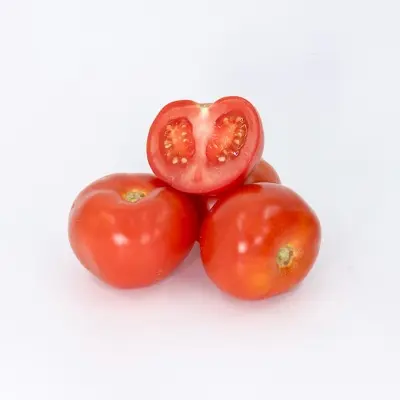
Developed specifically for hot, humid climates where other tomatoes struggle, Ace 56 is a heat-tolerant determinate variety that produces reliable crops even in challenging conditions. This compact plant delivers medium-sized, meaty fruits with excellent flavor, making it ideal for Southern gardens and areas with intense summer heat.
Harvest
70-75d
Days to harvest
Sun
Full sun
Zones
10–11
USDA hardiness
Height
1-10 feet
Planting Timeline
Showing dates for Ace 56 in USDA Zone 7
All Zone 7 tomato →Zone Map
Click a state to update dates
Ace 56 · Zones 10–11
Growing Details
Complete Growing Guide
Ace 56 performs best when started indoors 6–8 weeks before your last spring frost date, then transplanted outside once soil temperatures reach 60°F and nighttime lows stay consistently above 50°F. In hot Southern climates where this variety excels, you can often transplant earlier than traditional varieties since Ace 56 thrives in warmth. If you're in a region with a very short season, direct sowing is possible 2–3 weeks after the last frost, though indoor starting gives you a head start on the long growing season ahead.
Space Ace 56 plants 24–30 inches apart in full sun, with rows at least 36 inches apart. This compact determinate variety doesn't sprawl like indeterminate types, but good air circulation is critical in the hot, humid conditions where it's designed to perform. Before planting, amend your soil with 2–3 inches of compost or well-rotted manure and ensure drainage is excellent. Ace 56 is susceptible to several soil-borne diseases, so avoid replanting tomatoes in the same spot year after year. Sow seeds ¼ inch deep indoors in seed-starting mix.
Water deeply and consistently throughout the growing season, providing 1–1.5 inches per week through drip irrigation or soaker hoses rather than overhead watering, which promotes bacterial speck and early blight—two diseases particularly problematic for this variety in humid climates. Maintain even soil moisture; irregular watering triggers blossom-end rot, a calcium-deficiency disorder that appears as dark, sunken spots on developing fruit. Feed every 3 weeks with a balanced fertilizer once plants flower, switching to higher potassium formulations to encourage fruiting rather than excessive foliage.
Heat and humidity create perfect conditions for tomato fruitworms, spider mites, and aphids. Scout regularly during the hot months when pest pressure peaks. Hand-pick fruitworms from developing fruit, and use insecticidal soap for aphids before populations explode in summer heat. Spider mites thrive in hot, dry conditions; maintain consistent soil moisture and increase humidity around plants to suppress them. Watch for early blight starting in midsummer—remove lower leaves as the plant develops to improve airflow, and remove any spotted foliage immediately.
Ace 56's determinate growth habit means it sets most fruit simultaneously rather than continuously, so succession planting every 3–4 weeks gives you staggered harvests rather than one overwhelming flush. Minimal pruning is needed, but removing a few lower leaves as the plant grows improves air circulation in muggy environments.
The critical mistake gardeners make with Ace 56 is underestimating its calcium needs in hot weather. Even with consistent watering, the rapid fruit production in intense heat can outpace calcium uptake. Add crushed eggshells or gypsum to planting holes at transplanting, and side-dress with calcium-rich amendments mid-season to prevent blossom-end rot from ruining your harvest.
Harvesting
Ace 56 tomatoes reach peak harvest readiness when they display a deep, uniform red color throughout and achieve a medium size of approximately 4-6 ounces with slight give when gently squeezed. The fruits should feel slightly soft but still firm enough to maintain their shape, indicating optimal ripeness. This determinate variety typically produces a concentrated harvest window rather than continuous fruiting, so monitor plants closely during peak season for simultaneous ripeness across multiple fruits. A practical timing tip: harvest in early morning after dew dries but before afternoon heat intensifies, as fruits picked in cooler temperatures retain better flavor and firmness during storage and use.
The fruits are smooth, shiny, glossy, and are classified as berries. The size, shape, and color will vary depending on the variety or cultivar. The color of the fruits may be red, yellow, orange, green, purple, or pink. The fruits may contain over 100 yellow to light brown seeds.
Color: Gold/Yellow, Green, Orange, Pink, Purple/Lavender, Red/Burgundy, Variegated. Type: Berry. Length: > 3 inches. Width: > 3 inches.
Garden value: Edible, Showy
Harvest time: Fall, Summer
Edibility: The fruits or berries of the tomato are edible. They may be eaten raw, cooked, dried, or processed. They are a rich source of Vitamin A, Vitamin C, folic acid, and antioxidants. Lycopene is an antioxidant that gives the tomato its rich red color. Many plants will drop fruit when ripe or the fruit will come off easily. Tomatoes will continue to ripen once picked. Store them at room temperature.
Storage & Preservation
Store freshly harvested Ace 56 tomatoes at room temperature (68-72°F) away from direct sunlight until fully ripe, which develops their characteristic balanced flavor. Once ripe, refrigerate at 50-55°F in a single layer to extend shelf life to 5-7 days, though cold storage may slightly dull their acidity. For longer preservation, these tomatoes excel in canning whole or as sauce—their good acid content makes them reliable for water bath processing without added acid. Freezing works well for cooking applications; simply core and freeze whole on a tray, then pack in freezer bags for up to eight months. Drying is also successful given their meaty texture; slice and dry at 135°F until leathery. Their well-balanced flavor holds particularly well through canning, making them ideal if you're processing large harvests into shelf-stable products.
History & Origin
Developed in the 1970s by the seed company Ferry Seeds, Ace 56 emerged as part of broader breeding efforts to create heat-tolerant tomato varieties suited to Southern U.S. agriculture and tropical regions. The variety descends from the earlier "Ace" determinate line, which itself was selected for reliability in challenging climates. While specific breeder names and detailed pedigree documentation for Ace 56 remain limited in publicly available sources, the variety represents the era's systematic approach to addressing regional growing challenges through targeted selection. Its introduction coincided with increased agricultural interest in developing regionally adapted cultivars for consistently hot and humid environments where traditional tomato varieties often failed to set fruit or develop adequate flavor.
Origin: Peru
Advantages
- +Ace 56 thrives in hot, humid Southern climates where other tomatoes fail.
- +Determinate compact growth makes it perfect for small spaces and containers.
- +Reaches maturity quickly in just 70-75 days for rapid harvests.
- +Medium-sized meaty fruits deliver rich, well-balanced flavor with excellent taste.
- +Easy to grow variety suitable for beginner and experienced gardeners alike.
Considerations
- -Vulnerable to bacterial speck and early blight in wet conditions.
- -Determinate growth limits total season yield compared to indeterminate varieties.
- -Prone to heat-related disorders despite heat tolerance in extreme temperatures.
- -Multiple pest pressures including fruitworms and spider mites in hot weather.
Companion Plants
Basil and French marigolds (Tagetes patula) do the most work here. Basil's volatile compounds may reduce aphid and thrips pressure — I plant it 12–18 inches off the tomato stems regardless, because it earns its spot at the dinner table even if the pest-suppression effect is debatable. Marigolds produce alpha-terthienyl in their roots, which suppresses root-knot nematodes (Meloidogyne spp.) — a genuine concern in zone 7 Georgia, where sandy, warm soils give those nematodes a long season to do damage. Nasturtiums pull aphid colonies away from tomatoes and are easy to yank out once they've done their job. Skip fennel anywhere near this bed — it produces allelopathic compounds that stunt most vegetables — and don't plant corn as a neighbor, since both share tomato fruitworm (Helicoverpa zea) as a primary pest and you'll be running a free boarding house for it.
Plant Together
Basil
Repels aphids, whiteflies, and hornworms while potentially improving tomato flavor
Marigold
Deters nematodes, aphids, and whiteflies with natural compounds
Nasturtium
Acts as trap crop for aphids and cucumber beetles, repels whiteflies
Parsley
Attracts beneficial insects like hoverflies and parasitic wasps
Carrots
Loosens soil for tomato roots and doesn't compete for nutrients
Chives
Repels aphids and may improve tomato growth and flavor
Borage
Attracts pollinators and beneficial insects, may deter hornworms
Oregano
Repels many pests and may enhance tomato flavor when grown nearby
Keep Apart
Black Walnut
Produces juglone toxin that causes wilting and stunted growth in tomatoes
Fennel
Releases allelopathic compounds that inhibit tomato growth and development
Brassicas
Compete for similar nutrients and may stunt tomato growth when planted too close
Corn
Both attract corn earworm/tomato fruitworm, increasing pest pressure
Nutrition Facts
Per 100g serving. % Daily Value based on 2,000 calorie diet. Source: USDA FoodData Central (FDC #321360)
Pests & Disease Resistance
Resistance
Good resistance to cracking and heat stress, moderate disease resistance
Common Pests
Tomato fruitworm, aphids, spider mites in hot weather
Diseases
Bacterial speck, early blight, heat-related disorders
Troubleshooting Ace 56
What you'll see, why it happens, and what to do about it.
Small, dark water-soaked spots on fruit and leaves, sometimes with a yellow halo, appearing in cool, wet stretches
Likely Causes
- Bacterial speck (Pseudomonas syringae pv. tomato) — thrives in cool, wet conditions below 75°F
- Overhead irrigation that keeps foliage wet for extended periods
What to Do
- 1.Switch to drip irrigation if you haven't already; wet leaves are the main driver here
- 2.Remove and bag affected plant debris — don't compost it
- 3.Rotate this bed out of nightshades for at least 3 seasons; NC State Extension's IPM guidance suggests 5–7 years for serious tomato diseases
Lower leaves developing brown bullseye-ringed spots with yellow margins, usually starting 40–50 days after transplant
Likely Causes
- Early blight (Alternaria solani) — a soil-borne fungus that splashes up onto foliage during rain or irrigation
- Dense planting at less than 18 inches that cuts airflow
What to Do
- 1.Strip affected lower leaves immediately and throw them in the trash, not the compost pile
- 2.Lay 3–4 inches of straw mulch around the base of each plant to stop spore splash
- 3.Next season, don't plant tomatoes or any other nightshade in this bed for at least 2–3 years
Fruit showing sunken, leathery brown or black patches on the blossom end, typically after a dry spell followed by heavy rain
Likely Causes
- Blossom-end rot — calcium deficiency in developing fruit caused by inconsistent soil moisture disrupting calcium uptake, even when Ca is present in the soil
- Over-application of high-nitrogen fertilizer pushing vegetative growth faster than calcium can translocate into fruit
What to Do
- 1.Water on a consistent schedule — Ace 56 needs high, even moisture; the swing between drought and saturation is the trigger, not drought alone
- 2.Mulch heavily to buffer soil moisture between rain events
- 3.Get a soil test before adding calcium amendments — liming soil already at pH 6.5–7.0 won't help and can lock out other nutrients
Entire plant wilting suddenly in hot weather, not recovering overnight, with no obvious rot or lesion visible at soil level
Likely Causes
- Southern bacterial wilt (Ralstonia solanacearum) — cut a wilted stem near the base, hold it in a glass of water, and look for the characteristic milky bacterial ooze streaming out
- Root-knot nematodes (Meloidogyne spp.) damaging the root system and cutting off water uptake, especially in sandy soils
- Early-stage southern stem blight (Sclerotium rolfsii) before white mycelium becomes visible at the soil line
What to Do
- 1.Pull and destroy the entire plant including roots — bag it, don't compost it; NC State Extension notes these pathogens persist in soil for years
- 2.If bacterial wilt keeps returning to one bed, grow tomatoes in containers filled with clean bagged mix and make sure that mix never contacts native soil
- 3.Ace 56 carries no listed resistance to soilborne wilts — NC State Extension's disease guidance points to grafted tomatoes as a practical option if wilt is a recurring problem in your plot
Frequently Asked Questions
How long does Ace 56 take to grow from seed?▼
Can you grow Ace 56 tomatoes in containers?▼
Is Ace 56 good for beginners?▼
What does Ace 56 taste like compared to other tomatoes?▼
When should I plant Ace 56 in hot climates?▼
Does Ace 56 need support or staking?▼
Zone-by-Zone Planting Calendar
| Zone | Indoor Start | Transplant | Direct Sow | Harvest |
|---|---|---|---|---|
| Zone 3 | April – April | June – July | — | August – October |
| Zone 4 | March – April | June – June | — | August – October |
| Zone 5 | March – March | May – June | — | August – October |
| Zone 6 | March – March | May – June | — | July – September |
| Zone 7 | February – March | April – May | — | July – September |
| Zone 8 | February – February | April – May | — | June – August |
| Zone 9 | January – January | March – April | — | May – July |
| Zone 10 | January – January | February – March | — | May – July |
| Zone 1 | May – May | July – August | — | September – August |
| Zone 2 | April – May | June – July | — | September – September |
| Zone 11 | January – January | January – February | — | April – June |
| Zone 12 | January – January | January – February | — | April – June |
| Zone 13 | January – January | January – February | — | April – June |
Growing Guides from Wind River Greens
Sources & References
External authority sources used in compiling this guide.
See the Methodology page for how this data is sourced, what's AI-assisted, and known limitations.