Ace 55
Solanum lycopersicum 'Ace 55'
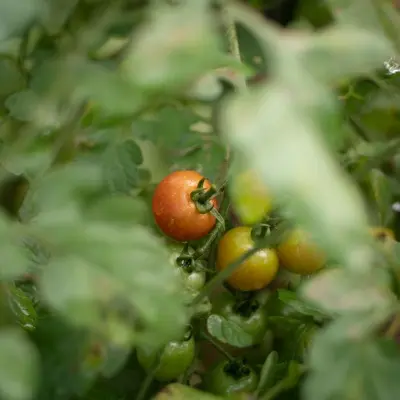
A reliable determinate variety developed specifically for hot, humid climates where other tomatoes struggle. This workhorse produces abundant medium-sized red fruits that ripen consistently even in challenging weather conditions. Perfect for beginning gardeners who want dependable harvests without fuss.
Harvest
80-85d
Days to harvest
Sun
Full sun
Zones
10–11
USDA hardiness
Height
1-10 feet
Planting Timeline
Showing dates for Ace 55 in USDA Zone 7
All Zone 7 tomato →Zone Map
Click a state to update dates
Ace 55 · Zones 10–11
Growing Details
Complete Growing Guide
Plant Ace 55 seeds indoors 6–8 weeks before your last frost, as this determinate variety's 80–85 day maturity demands early starts in cooler regions but thrives when transplanted into heat. Unlike indeterminate types, Ace 55 sets fruit prolifically in hot, humid conditions where others drop blossoms, making it invaluable for southern and tropical gardens; however, this vigor means it may stretch if started too early indoors, so maintain 14–16 hours of bright light to prevent leggy seedlings. The variety shows good disease resistance to fusarium wilt but remains susceptible to early blight in humid climates—space plants 24–30 inches apart for airflow and mulch to prevent soil splash. Pinch suckers minimally since determinate types fruit on limited branches; instead, focus your energy on consistent watering and consistent deadheading of lower leaves once the plant is 12 inches tall to improve air circulation and reduce fungal pressure during peak season.
Light: Full sun (6 or more hours of direct sunlight a day). Soil: Clay, High Organic Matter, Loam (Silt), Sand. Soil pH: Acid (<6.0), Neutral (6.0-8.0). Drainage: Good Drainage, Moist. Height: 1 ft. 0 in. - 10 ft. 0 in.. Spread: 1 ft. 0 in. - 4 ft. 0 in.. Spacing: 3 feet-6 feet. Growth rate: Rapid. Maintenance: High. Propagation: Seed. Regions: Coastal, Mountains, Piedmont.
Harvesting
Ace 55 tomatoes reach peak harvest readiness when they display a deep, uniform red color throughout the fruit with no green shoulders, and they yield slightly to gentle palm pressure while remaining firm enough to handle. The medium-sized fruits typically measure two to three inches in diameter at full maturity. This determinate variety produces its crop in concentrated flushes rather than continuously throughout the season, meaning you'll experience several weeks of abundant harvesting followed by a slowdown as the plant finishes its lifecycle. To maximize yields, harvest fruits at the first blush of red rather than waiting for completely dark coloring, as they'll continue ripening off the vine and this practice encourages the plant to redirect energy toward developing additional fruit before season's end.
The fruits are smooth, shiny, glossy, and are classified as berries. The size, shape, and color will vary depending on the variety or cultivar. The color of the fruits may be red, yellow, orange, green, purple, or pink. The fruits may contain over 100 yellow to light brown seeds.
Color: Gold/Yellow, Green, Orange, Pink, Purple/Lavender, Red/Burgundy, Variegated. Type: Berry. Length: > 3 inches. Width: > 3 inches.
Garden value: Edible, Showy
Harvest time: Fall, Summer
Edibility: The fruits or berries of the tomato are edible. They may be eaten raw, cooked, dried, or processed. They are a rich source of Vitamin A, Vitamin C, folic acid, and antioxidants. Lycopene is an antioxidant that gives the tomato its rich red color. Many plants will drop fruit when ripe or the fruit will come off easily. Tomatoes will continue to ripen once picked. Store them at room temperature.
Storage & Preservation
Ace 55 tomatoes store best at room temperature away from direct sunlight until fully ripe, then move to the refrigerator if you need to extend shelf life by several days. Keep them in a breathable container rather than sealed plastic to prevent moisture buildup. Fresh tomatoes typically last one to two weeks in cool conditions. For longer preservation, this variety's balanced acidity and firm flesh make it ideal for water-bath canning—both whole and crushed preparations work well. Freezing is straightforward: core and freeze whole on a tray before bagging, or blanch and skin them first for easier processing later. Drying is also excellent; their traditional flavor concentrates beautifully in sun-dried or oven-dried preparations. Because Ace 55 produces prolifically, many gardeners dedicate a portion of their harvest specifically to canning projects, taking advantage of the thick, meaty texture that holds up well through the canning process.
History & Origin
Developed by the Harris Seed Company in the 1950s, 'Ace 55' emerged from deliberate breeding efforts to create a determinate tomato suited to challenging growing conditions, particularly in hot and humid regions where disease pressure and inconsistent ripening plagued gardeners. The variety represents a significant contribution to mid-century American home gardening, selected for reliability and consistent fruit set under stress. While detailed documentation of its specific parentage remains limited in accessible horticultural records, 'Ace 55' belongs to the wave of post-war commercial vegetable breeding that prioritized practical performance for everyday growers over novelty or extreme productivity, establishing it as a foundational variety in determinate tomato development.
Origin: Peru
Advantages
- +Ace 55 thrives in hot, humid climates where other varieties fail consistently.
- +Determinate growth habit means compact plants requiring minimal staking or pruning work.
- +Early maturity at 80-85 days provides quick harvests for impatient gardeners.
- +Reliable fruit production with well-balanced traditional flavor and good acidity.
- +Ideal beginner variety with straightforward care and dependable yields without fussing.
Considerations
- -Susceptible to late blight, requiring vigilant monitoring in wet conditions.
- -Limited fruit size means higher picking frequency for desired harvest volumes.
- -Prone to blossom end rot without consistent soil moisture and calcium.
- -Determinate plants stop producing after main flush, lacking extended season harvests.
Companion Plants
Basil is worth planting within 12–18 inches of the tomato stem, though not for the reason you usually hear. The pest-repellent claim gets repeated everywhere and the evidence behind it is thin. What's actually useful: basil and Ace 55 have nearly identical water and fertility demands, so they don't undercut each other, and you end up with fresh basil at arm's reach during the same harvest window. French marigolds (Tagetes patula specifically) earn their row space through a different mechanism entirely — their roots release alpha-terthienyl, a compound that suppresses root-knot nematodes in the surrounding soil. NC State Extension flags tomatoes as especially vulnerable to soilborne pests, so interplanting Tagetes patula every 18 inches through the bed is a reasonable precaution, not just decoration.
Carrots and parsley can share space without friction — their roots occupy a shallower zone than Ace 55's, so you're not pulling from the same soil column. Chives along the edge may slow aphid colonization, though they won't hold the line against a heavy Myzus persicae pressure once it builds.
Fennel is allelopathic to a wide range of vegetables and will stunt tomatoes planted within 3 feet of it — keep it in a separate part of the garden entirely. Brassicas are a problem for a more straightforward reason: they're heavy nitrogen feeders competing directly for the fertility Ace 55 needs to carry a full fruit load. Corn belongs in a different bed as well — Helicoverpa zea cycles between corn (as earworm) and tomato (as fruitworm), so growing them adjacent concentrates pressure on both crops at once.
Plant Together
Basil
Repels aphids, whiteflies, and hornworms while potentially improving tomato flavor
Marigolds
Deters nematodes, aphids, and whiteflies with strong scent compounds
Carrots
Loosens soil for tomato roots and doesn't compete for space or nutrients
Parsley
Attracts beneficial insects like hoverflies that prey on tomato pests
Chives
Repels aphids and may help prevent fungal diseases with natural sulfur compounds
Nasturtiums
Acts as trap crop for aphids, cucumber beetles, and squash bugs
Lettuce
Provides living mulch, conserves soil moisture, and utilizes different root zones
Oregano
Repels spider mites, aphids, and provides ground cover to retain moisture
Keep Apart
Black Walnut
Produces juglone toxin that causes wilting and stunted growth in tomatoes
Fennel
Releases allelopathic compounds that inhibit tomato growth and development
Brassicas
Compete for similar nutrients and may stunt tomato growth when planted too close
Corn
Both attract corn earworms and hornworms, creating concentrated pest problems
Nutrition Facts
Per 100g serving. % Daily Value based on 2,000 calorie diet. Source: USDA FoodData Central (FDC #321360)
Pests & Disease Resistance
Resistance
Good resistance to fusarium wilt and alternaria stem canker. Heat and humidity tolerant.
Common Pests
Tomato hornworm, aphids, cutworms, spider mites
Diseases
Late blight, bacterial spot, blossom end rot
Troubleshooting Ace 55
What you'll see, why it happens, and what to do about it.
Large gray-green patches spreading across foliage fast — whole stems collapsing within days, sometimes with dark water-soaked spots on fruit
Likely Causes
- Late blight (Phytophthora infestans) — favored by cool nights below 60°F combined with wet foliage
- Overhead irrigation keeping leaves wet for extended periods
What to Do
- 1.Remove and bag affected plant material immediately — do not compost it
- 2.Switch to drip irrigation or water at the base only, early in the morning
- 3.NC State Extension notes late blight appearance varies year to year — check your county's PDIC alerts and apply a copper-based fungicide at the first sign of regional outbreak
Blossom end of fruit is sunken, leathery, and dark brown — showing up on the first flush of fruit
Likely Causes
- Blossom end rot — calcium deficiency in the developing fruit caused by inconsistent soil moisture, not always a lack of calcium in the soil
- Irregular watering (boom-and-bust cycles) that interrupts calcium uptake through the roots
What to Do
- 1.Mulch 3–4 inches deep with straw to buffer soil moisture swings
- 2.Water consistently — Ace 55 needs high, even moisture especially once fruit sets; letting the soil dry out between deep waterings is the most common trigger
- 3.Get a soil test before reaching for calcium sprays — if your pH is already in the 6.0–7.0 range, the problem is almost certainly uptake, not soil calcium levels
Small, dark, water-soaked spots on leaves and fruit — spots may have yellow halos, and fruit develops raised, scabby lesions
Likely Causes
- Bacterial spot (Xanthomonas vesicatoria) — spreads fast in warm, wet weather and through handling wet plants
- Splashing rain or overhead watering moving bacteria from soil or infected debris onto foliage
What to Do
- 1.Strip off heavily spotted lower leaves and dispose of them in the trash
- 2.Avoid working in the garden when plants are wet — bacterial spot spreads easily on hands and tools
- 3.NC State Extension recommends keeping tomatoes and peppers (which share this pathogen) out of the same bed for at least 3 seasons after an outbreak
Frequently Asked Questions
How long does Ace 55 tomato take to grow?▼
Is Ace 55 good for beginners?▼
Can you grow Ace 55 tomatoes in containers?▼
What does Ace 55 taste like?▼
When should I plant Ace 55 tomatoes?▼
Is Ace 55 determinate or indeterminate?▼
Zone-by-Zone Planting Calendar
| Zone | Indoor Start | Transplant | Direct Sow | Harvest |
|---|---|---|---|---|
| Zone 3 | April – April | June – July | — | September – October |
| Zone 4 | March – April | June – June | — | September – October |
| Zone 5 | March – March | May – June | — | August – October |
| Zone 6 | March – March | May – June | — | August – October |
| Zone 7 | February – March | April – May | — | July – September |
| Zone 8 | February – February | April – May | — | July – September |
| Zone 9 | January – January | March – April | — | June – August |
| Zone 10 | January – January | February – March | — | May – July |
| Zone 1 | May – May | July – August | — | October – August |
| Zone 2 | April – May | June – July | — | September – September |
| Zone 11 | January – January | January – February | — | April – June |
| Zone 12 | January – January | January – February | — | April – June |
| Zone 13 | January – January | January – February | — | April – June |
Growing Guides from Wind River Greens
Sources & References
External authority sources used in compiling this guide.
See the Methodology page for how this data is sourced, what's AI-assisted, and known limitations.