Best Tomatoes to Grow in Nunavut
Nunavut spans USDA Zones 1–2, typically Zone 3. We've broken out 91 tomato varieties by zone — pick your zone below or find the right varieties for your specific part of the state.
Varieties
91
for Nunavut
USDA
Zones 1–2
55–85 days season
Beginner
41
easy to grow
Heirloom
46
heritage varieties
Nunavut in USDA Zones 1–2
Nunavut spans Zones 1–2. Variety lists below are organized by zone — start with your zone for the most accurate recommendations.
Growing Tomatoes in Nunavut
Zone 3 presents both unique opportunities and distinct challenges for tomato growers. With your average last frost around May 15 and first frost hitting by September 15, you're working with roughly 120 days of growing season – shorter than many gardeners further south, but absolutely workable with the right approach. The key is understanding that not all tomatoes are created equal for your climate. You need varieties that can handle cooler nights, make the most of intense summer sun, and reach maturity before that first autumn frost cuts your season short.
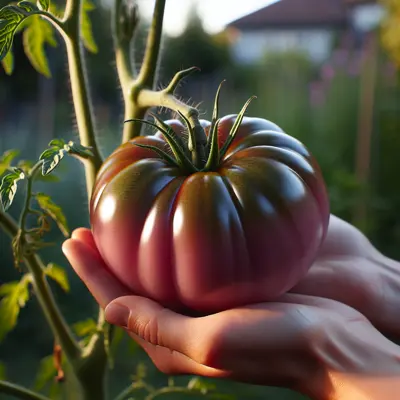
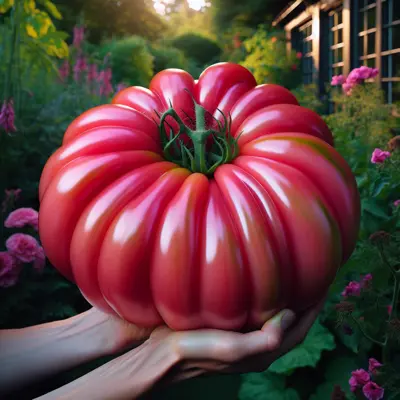
The secret to success in Zone 3 lies in choosing varieties with shorter days to maturity and focusing on determinates or early indeterminates that won't leave you with green shoulders come September. Cold-hardy varieties like Stupice and Early Girl have earned their reputation in northern gardens for good reason – they're bred to perform when the growing window is tight. However, don't think you're limited to only the earliest varieties. With proper season extension techniques, even some longer-season favorites like Cherokee Purple and Brandywine can thrive in your zone, giving you access to those complex, rich flavors that make homegrown tomatoes worth the effort.
Zone 2 Tomatoes for Nunavut
91 varieties · Last frost June 1 · 85-day season

Zone 1 Tomatoes for Nunavut
91 varieties · Last frost June 15 · 55-day season
Zone 3 Growing Tips for Nunavut
Start your tomato seeds indoors 6-8 weeks before your last frost date, which puts you at late March to early April for seed starting. This indoor head start is crucial in Zone 3 – those extra weeks of growth under lights or in a sunny window make the difference between a mediocre harvest and baskets full of ripe tomatoes. Plan to transplant outdoors around May 20-25, giving yourself a safety buffer past that May 15 average last frost. Even then, keep row covers or water-filled tomato cages handy for unexpected late cold snaps.
Season extension becomes your best friend in Zone 3. Black plastic mulch warms the soil and gives you a jump start, while red plastic mulch can actually boost yields. Consider cold frames, hoop tunnels, or even simple milk jug cloches to protect young plants and extend your harvest into October. Plant in the warmest, most protected spot in your garden – ideally with southern exposure and some wind protection. Your tomatoes will appreciate every bit of heat they can get, and that extra warmth can add weeks to your effective growing season.