Sunbright
Helianthus annuus
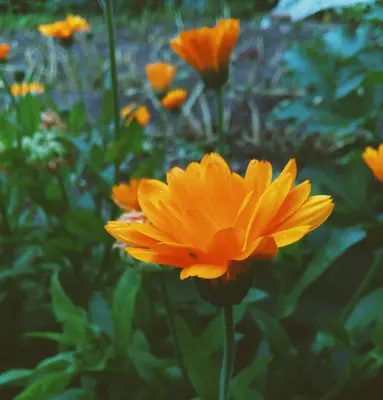
Produces 4-6" blooms under short days and low temperatures. Golden yellow rays, dark brown disk. Pollenless. Single stem.
Harvest
70-80d
Days to harvest
Sun
Full sun
Zones
2–11
USDA hardiness
Height
1-10 feet
Planting Timeline
Showing dates for Sunbright in USDA Zone 7
All Zone 7 flower →Zone Map
Click a state to update dates
Sunbright · Zones 2–11
Growing Details
Succession Planting
Sunbright is worth succession-sowing if you're cutting it for vases and want a steady supply rather than one big flush. Direct sow every 14–21 days from your last frost date through early June. Once daytime temps are consistently above 90°F, germination gets erratic and the plants that do establish tend to be shorter with smaller heads — not useful for cutting. Plan your last sow for when that heat wall typically arrives, and work backward from there.
At 70–80 days to bloom, a mid-April sow gives you flowers in late June or early July, a mid-May sow lands in late July, and a June 1 sow should still come in before the worst heat if your season allows. In zone 7, a late June direct sow can work for fall color, but you're racing the first frost — push it too late and you'll get buds that never fully open.
Complete Growing Guide
Sunbright sunflowers are best started indoors four to six weeks before your last spring frost, though direct sowing into the garden two to three weeks after the frost date works equally well for this easy-to-grow variety. If starting seeds indoors, sow them individually into peat pots to avoid root disturbance at transplant time, keeping soil consistently moist but not waterlogged until seedlings emerge in about seven to ten days. Transplant hardened-off seedlings outdoors once soil has warmed and all frost danger has passed.
Prepare your planting area by loosening soil to at least twelve inches deep and working in compost or well-rotted manure to improve drainage and fertility. Space Sunbright plants twelve to eighteen inches apart, as this cultivar typically reaches mid-range height of three to five feet, though conditions can push plants toward the full ten-foot potential. Sow seeds directly one inch deep, thinning seedlings once they've developed their first true leaves. Choose a location receiving at least six to eight hours of direct sun daily, though Sunbright actually performs best with morning sun and afternoon shade, which helps extend bloom duration and intensify those golden rays.
Water deeply and consistently throughout the growing season, providing approximately one to two inches per week depending on rainfall and heat. These plants are moderately drought-tolerant once established, but consistent moisture encourages fuller blooms. Feed every three to four weeks with a balanced, slow-release fertilizer once plants reach one foot tall, or use a diluted liquid feed every two weeks. Avoid high-nitrogen fertilizers, which promote excessive foliage at the expense of flowers.
Sunbright's pollenless characteristic makes it excellent for arrangements, but this trait can attract spider mites, which exploit the plant's reduced natural defenses. Monitor undersides of leaves regularly and spray with water to dislodge infestations before they escalate. Powdery mildew occasionally affects these sunflowers in humid conditions; ensure good air circulation and avoid overhead watering. Watch for sunflower moths in mid-summer, which tunnel into developing flower heads; remove affected buds promptly.
The single-stem growth habit of Sunbright means no pruning is necessary, allowing energy to concentrate into one magnificent bloom per plant. However, many gardeners mistakenly assume they need to pinch the center leader to encourage branching, which actually reduces flowering quality in this variety. Simply allow the plant to grow unbothered toward its single flower.
One common mistake with Sunbright is underestimating how much light it requires to produce those 4-6 inch blooms consistently. Even slight shade or afternoon cloudiness can result in smaller flowers and weaker stems. Plant in your sunniest, most exposed garden location, and you'll be rewarded with sturdy plants and vibrant golden flowers ready for cutting approximately seventy days from sowing.
Harvesting
Sunbright reaches harvest at 70 - 80 days from sowing per Johnny's Selected Seeds. Expect 4-6" at peak. As an annual, harvest continues until frost ends the season.
Seeds are ovoid and somewhat flattened
Color: Black, Brown/Copper. Type: Achene. Length: < 1 inch. Width: < 1 inch.
Garden value: Edible
Harvest time: Fall
Edibility: Seeds are used for cooking oil, livestock feed, and as a snack food or garnish. Petals are edible and young flower buds can be steamed like artichokes.
Storage & Preservation
Fresh sunflower blooms should be stored upright in a cool location, ideally in a vase with fresh water at room temperature (65-72°F) away from direct heat and ripening fruit. Keep humidity moderate and change water every 2-3 days for a 7-14 day vase life. For preservation, try air-drying stems in a warm, dark space for 2-3 weeks to create long-lasting dried arrangements. Alternatively, press individual petals and disk centers between paper for decorative crafts, or freeze blooms in water-filled ice cube trays for unique floral displays.
History & Origin
Sunbright is an F1 hybrid developed through controlled cross-pollination. Listed in the Johnny's Selected Seeds catalog.
Origin: Western United States
Advantages
- +Pollenless blooms make them ideal for allergy-sensitive arrangements
- +Quick 70-80 day maturity allows multiple successive plantings
- +Compact 4-6 inch flowers perfect for small bouquets and retail bunches
- +Single stem growth eliminates need for disbudding labor
- +Reliable golden-yellow color performs consistently in low light
Considerations
- -Requires cool temperatures and short days for optimal blooming
- -Smaller bloom size limits use in premium statement arrangements
- -Limited stem length reduces versatility for tall floral designs
Companion Plants
The flowering companions in our database — marigolds, zinnias, cosmos, and nasturtiums — all attract parasitic wasps, hoverflies, and lacewings that prey on aphids and thrips, which do visit sunflowers. Nasturtiums pull double duty as a trap crop: aphids tend to colonize them first, giving you an early warning sign and a plant you can pull before the infestation moves. Borage is worth including too — it draws pollinators in hard, and Sunbright is a cut-flower hybrid that benefits from reliable pollinator traffic even if you're not saving seed.
Sweet alyssum fills in the ground level without competing for the vertical space a 4- to 6-foot sunflower claims, and its flowers specifically attract hoverflies whose larvae eat soft-bodied pests. Lavender is a fine neighbor if you already have it growing nearby, but it wants far less water than Sunbright does — don't let the lavender's drought tolerance set the watering schedule for the whole bed.
Black walnut produces juglone, a root-zone toxin that sunflowers are genuinely susceptible to — established walnut trees cast that toxic zone 50 feet or more from the trunk, so this isn't a theoretical concern if there's one anywhere near your garden. Fennel is allelopathic to a wide range of annuals and should live in its own corner regardless of what else you're growing. Eucalyptus releases growth-inhibiting compounds through both its roots and its fallen leaf litter, so planting Sunbright beneath or adjacent to an established tree is a reliable way to get stunted plants and no clear explanation why.
Plant Together
Marigolds
Repel nematodes and aphids while attracting beneficial insects
Nasturtiums
Act as trap crops for aphids and cucumber beetles
Zinnias
Attract pollinators and beneficial predatory insects
Cosmos
Provide habitat for beneficial insects and attract pollinators
Petunias
Repel aphids, tomato hornworms, and other garden pests
Sweet Alyssum
Attracts hoverflies and parasitic wasps that control aphids
Lavender
Repels moths, fleas, and mosquitoes while attracting pollinators
Borage
Attracts beneficial insects and may improve soil nutrients
Keep Apart
Black Walnut
Produces juglone toxin that inhibits growth of many flowering plants
Eucalyptus
Releases allelopathic compounds that suppress nearby plant growth
Fennel
Inhibits growth of most garden plants through allelopathy
Troubleshooting Sunbright
What you'll see, why it happens, and what to do about it.
Stems wilting and collapsing at soil level in seedlings, often overnight
Likely Causes
- Damping off (Pythium or Rhizoctonia spp.) — fungal rot triggered by cold, wet, poorly-draining soil
- Overwatering combined with low airflow around seedlings
What to Do
- 1.Pull and discard affected seedlings immediately — they won't recover
- 2.Let the top inch of soil dry out between waterings, and run a small fan near indoor starts for 30 minutes a day
- 3.Use a sterile seed-starting mix rather than garden soil, which carries these pathogens
Leaves covered in white powdery coating, usually starting on older leaves mid-season
Likely Causes
- Powdery mildew (Erysiphe cichoracearum) — common on sunflowers in humid conditions with dense plantings
- Poor airflow from crowded spacing
What to Do
- 1.Space plants at least 12–18 inches apart to allow air movement between stems
- 2.Spray affected foliage with a diluted potassium bicarbonate solution (1 tbsp per gallon of water) weekly until symptoms stop spreading
- 3.Remove the most heavily affected leaves and dispose of them in the trash, not the compost pile
Flower buds chewed or missing entirely before they open, with visible feeding damage on nearby leaves
Likely Causes
- Sunflower moth (Homoeosoma electellum) larvae — bore into developing heads from the outside in
- Grasshoppers — especially prevalent in dry summers, will strip buds and young leaves
What to Do
- 1.For sunflower moth, apply Bt (Bacillus thuringiensis) to buds as soon as they form — it's most effective before larvae bore in
- 2.Hand-pick grasshoppers in the early morning when they're slower; row cover can protect young plants but needs to come off once buds form so pollinators can reach them
- 3.Check developing heads every 2–3 days during bud stage so you catch damage before it's total
Frequently Asked Questions
How long do Sunbright sunflower blooms last in a vase?▼
Are Sunbright sunflowers good for beginners?▼
Can you grow Sunbright sunflowers in containers?▼
When should I plant Sunbright sunflower seeds?▼
What makes Sunbright different from other yellow sunflowers?▼
Zone-by-Zone Planting Calendar
| Zone | Indoor Start | Transplant | Direct Sow | Harvest |
|---|---|---|---|---|
| Zone 3 | April – May | June – July | June – August | — |
| Zone 4 | March – April | June – June | June – July | — |
| Zone 5 | March – April | May – June | May – July | — |
| Zone 6 | March – April | May – June | May – July | — |
| Zone 7 | February – March | April – May | April – June | — |
| Zone 8 | February – March | April – May | April – June | — |
| Zone 9 | January – February | March – April | March – May | — |
| Zone 10 | January – January | February – March | February – April | — |
| Zone 1 | May – June | July – August | July – September | — |
| Zone 2 | April – May | June – July | June – August | — |
| Zone 11 | January – January | January – February | January – March | — |
| Zone 12 | January – January | January – February | January – March | — |
| Zone 13 | January – January | January – February | January – March | — |
Growing Guides from Wind River Greens
Sources & References
External authority sources used in compiling this guide.
- BreederJohnny's Selected Seeds
See the Methodology page for how this data is sourced, what's AI-assisted, and known limitations.