Guardian Blue
Delphinium elatum
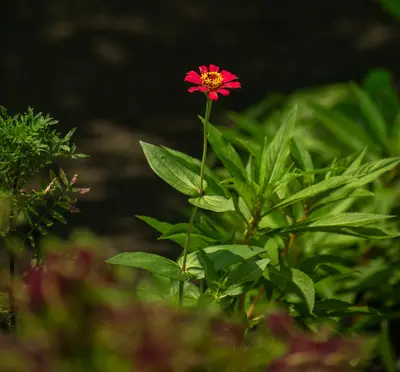
Uniform flowering time and plant height allows for efficient harvesting. The Guardian series is bred to perform well under short days for greenhouse production. Guardian also performs well in our field trials, blooming under long days. Vigorous plants with excellent bloom and stem quality for cut flowers. Also suitable for garden beds and landscaping. Bloom color is dark royal blue with a white bee (flower structure at the center of each bloom). Attracts bees and butterflies. This species of delphinium is also known as candle larkspur. Perennial in Zones 3-7.
Harvest
105-125d
Days to harvest
Sun
Full sun
Zones
3–7
USDA hardiness
Height
3-5 feet
Planting Timeline
Showing dates for Guardian Blue in USDA Zone 7
All Zone 7 flower →Zone Map
Click a state to update dates
Guardian Blue · Zones 3–7
Growing Details
Complete Growing Guide
Uniform flowering time and plant height allows for efficient harvesting. The Guardian series is bred to perform well under short days for greenhouse production. Guardian also performs well in our field trials, blooming under long days. Vigorous plants with excellent bloom and stem quality for cut flowers. Also suitable for garden beds and landscaping. Bloom color is dark royal blue with a white bee (flower structure at the center of each bloom). Attracts bees and butterflies. This species of delphinium is also known as candle larkspur. Perennial in Zones 3-7. According to Johnny's Selected Seeds, Guardian Blue is 105 - 125 days to maturity, perennial, hybrid (f1). Notable features: Use for Cut Flowers and Bouquets, Attracts Beneficial Insects.
Light: Full sun (6 or more hours of direct sunlight a day). Soil: High Organic Matter. Soil pH: Alkaline (>8.0). Drainage: Good Drainage. Height: 3 ft. 0 in. - 5 ft. 0 in.. Spread: 2 ft. 0 in. - 3 ft. 0 in.. Spacing: 12 inches-3 feet, 3 feet-6 feet. Growth rate: Medium. Maintenance: Medium. Propagation: Seed. Regions: Mountains, Piedmont.
Harvesting
Guardian Blue reaches harvest at 105 - 125 days from sowing per Johnny's Selected Seeds.
Edibility: Toxic if eaten.
Storage & Preservation
For cut flowers, place Guardian Blue delphiniums in a clean vase with cool water (35-45°F) immediately after harvest. Keep in a cool location away from direct sunlight and ripening fruit. Change water every 2-3 days and remove lower leaves to prevent bacterial growth. Fresh blooms last 7-14 days in a vase. To preserve longer: (1) air-dry upright stems in a dark, well-ventilated space for 2-3 weeks; (2) glycerin preservation by absorbing a glycerin-water solution for prolonged color retention; (3) freeze-drying for specialty arrangements, though this requires professional equipment.
History & Origin
Guardian Blue is an F1 hybrid developed through controlled cross-pollination. Listed in the Johnny's Selected Seeds catalog.
Origin: Europe to Mongolia
Advantages
- +Uniform flowering time and height enable efficient mechanical harvesting operations
- +Thrives under both short and long day conditions for flexible production
- +Dark royal blue color with white bee attracts pollinators naturally
- +Vigorous plants produce excellent quality stems suitable for premium cut flowers
- +Perennial in Zones 3-7 allows multi-year garden and landscape installations
Considerations
- -Delphiniums susceptible to powdery mildew in humid greenhouse conditions
- -Requires well-draining soil; poorly drained areas cause root rot issues
- -Tall plants may need staking or support in windy locations
- -Relatively long production cycle of 105-125 days ties up growing space
Companion Plants
Marigolds and Sweet Alyssum do the most work here — marigolds repel aphids that cluster on delphinium stems, while alyssum draws in parasitic wasps that knock back caterpillar pressure from species like Polychrysia moneta. Catmint and lavender make good low-growing neighbors because they share Guardian Blue's preference for sharp drainage and don't compete hard at root depth. Fennel causes problems through root exudates that stunt nearby plants, and eucalyptus releases allelopathic volatile compounds that suppress germination and establishment — give both a wide berth.
Plant Together
Marigolds
Repel nematodes and aphids while attracting beneficial insects
Sweet Alyssum
Attracts beneficial insects and provides ground cover protection
Nasturtiums
Act as trap crop for aphids and cucumber beetles
Lavender
Repels moths, fleas, and mosquitoes with aromatic oils
Catmint
Deters ants, aphids, and rodents while attracting pollinators
Zinnia
Attracts ladybugs and other beneficial predatory insects
Cosmos
Attracts beneficial insects and provides structural support
Chives
Repel aphids and improve soil health with sulfur compounds
Keep Apart
Black Walnut
Releases juglone toxin that inhibits growth of many flowers
Eucalyptus
Allelopathic compounds suppress growth of nearby plants
Fennel
Inhibits growth of most garden plants through allelopathy
Pests & Disease Resistance
Common Pests
Spider mites, powdery mildew moths, slugs
Diseases
Powdery mildew, crown rot, leaf spot
Troubleshooting Guardian Blue
What you'll see, why it happens, and what to do about it.
White powdery coating on leaves and stems, usually appearing first on older growth mid-season
Likely Causes
- Powdery mildew (Erysiphe spp.) — thrives in warm days and cool nights with poor airflow
- Crowded spacing under 18 inches that traps humidity around the crown
What to Do
- 1.Cut off and bag the worst-affected stems — don't compost them
- 2.Spray remaining foliage with a diluted potassium bicarbonate solution (1 tablespoon per gallon of water) every 7 days
- 3.Next season, space plants at the full 24 inches and avoid overhead irrigation
Stems collapsing at the soil line, crown turning soft and brown, often after a wet stretch
Likely Causes
- Crown rot (Sclerotium rolfsii or Phytophthora spp.) — triggered by waterlogged soil or heavy mulch piled against the crown
- Poor drainage in clay-heavy beds
What to Do
- 1.Dig and discard the affected plant — crown rot doesn't recover, and leaving it in the ground infects neighbors
- 2.Before replanting, work in 2–3 inches of coarse grit or compost to open up the soil structure
- 3.Keep mulch pulled back at least 3 inches from the crown
Ragged holes chewed in young leaves and flower buds, damage concentrated near soil level and worst after rain
Likely Causes
- Slugs — they feed at night and hide under debris during the day
- Delphinium moth (Polychrysia moneta) caterpillars on upper foliage
What to Do
- 1.Set out iron phosphate bait (Sluggo or equivalent) around the base of plants after any rainfall
- 2.Check stems and buds after dark with a flashlight for caterpillars; pick them off by hand
- 3.Clear leaf litter and debris from around the crowns — slugs need daytime shelter to persist
Frequently Asked Questions
How long do Guardian Blue delphiniums last as cut flowers?▼
Is Guardian Blue delphinium good for beginner gardeners?▼
Can you grow Guardian Blue delphiniums in containers?▼
When should I plant Guardian Blue delphinium seeds?▼
What zone can Guardian Blue delphiniums grow in?▼
Do Guardian Blue delphiniums attract pollinators?▼
Zone-by-Zone Planting Calendar
| Zone | Indoor Start | Transplant | Direct Sow | Harvest |
|---|---|---|---|---|
| Zone 1 | May – June | July – August | July – September | — |
| Zone 2 | April – May | June – July | June – August | — |
| Zone 11 | January – January | January – February | January – March | — |
| Zone 12 | January – January | January – February | January – March | — |
| Zone 13 | January – January | January – February | January – March | — |
| Zone 3 | April – May | June – July | June – August | — |
| Zone 4 | March – April | June – June | June – July | — |
| Zone 5 | March – April | May – June | May – July | — |
| Zone 6 | March – April | May – June | May – July | — |
| Zone 7 | February – March | April – May | April – June | — |
| Zone 8 | February – March | April – May | April – June | — |
| Zone 9 | January – February | March – April | March – May | — |
| Zone 10 | January – January | February – March | February – April | — |
Growing Guides from Wind River Greens
Sources & References
External authority sources used in compiling this guide.
- BreederJohnny's Selected Seeds
See the Methodology page for how this data is sourced, what's AI-assisted, and known limitations.