Bee Balm Jacob Cline
Monarda didyma 'Jacob Cline'
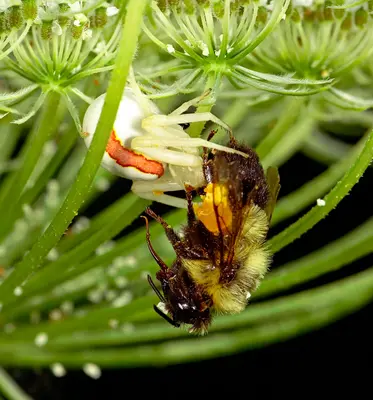
This award-winning bee balm produces stunning scarlet-red tubular flowers in dense, shaggy heads that are absolutely magnetic to hummingbirds, butterflies, and bees. Jacob Cline offers superior mildew resistance compared to older varieties while maintaining the intense fragrance and pollinator appeal that makes bee balm a garden favorite. The aromatic foliage can be used for herbal teas, and the dramatic flower heads create excellent cut flower arrangements.
Sun
Full sun
Zones
4–9
USDA hardiness
Height
2-4 feet
Planting Timeline
Showing dates for Bee Balm Jacob Cline in USDA Zone 7
All Zone 7 flower →Zone Map
Click a state to update dates
Bee Balm Jacob Cline · Zones 4–9
Growing Details
Complete Growing Guide
Light: Full sun (6 or more hours of direct sunlight a day). Soil: Clay, High Organic Matter. Soil pH: Acid (<6.0), Neutral (6.0-8.0). Drainage: Good Drainage, Moist, Occasionally Wet. Height: 2 ft. 0 in. - 4 ft. 0 in.. Spread: 2 ft. 0 in. - 3 ft. 0 in.. Spacing: 12 inches-3 feet. Growth rate: Medium. Maintenance: Medium. Propagation: Division, Leaf Cutting, Seed. Regions: Coastal, Mountains, Piedmont.
Harvesting
Ovoid nutlets display from September to October.
Color: Brown/Copper. Type: Capsule.
Harvest time: Fall
Edibility: Used in teas, flavor jellies, soups, stews, and fruit salads; edible flowers.
Storage & Preservation
Fresh Jacob Cline stems last 5-7 days in cool water with daily stem trimming. Store harvested leaves in the refrigerator wrapped in damp paper towels inside a plastic bag for up to one week.
For long-term storage, air-dry leaves and flowers by hanging small bundles in a warm, dry, well-ventilated area away from direct sunlight. Properly dried bee balm retains its aromatic oils for 12-18 months when stored in airtight containers.
Freeze fresh leaves in ice cube trays with water for easy addition to teas and beverages. The flowers can be dried for potpourri or frozen in ice cubes as colorful drink garnishes. For the strongest herbal tea, dry the leaves just as the plant begins flowering when essential oil concentration peaks. Crumble dried leaves and store in sealed glass jars away from light and heat to maintain potency.
History & Origin
Jacob Cline is a modern cultivar of Monarda didyma, the native North American bee balm species, developed to address the mildew susceptibility that plagued many older varieties in the species. While specific breeder attribution and exact development date remain undocumented in widely accessible horticultural records, the variety emerged from deliberate breeding efforts focused on disease resistance during the late twentieth century. It represents the broader contemporary movement toward selecting bee balm cultivars with improved fungal resistance without sacrificing the aromatic foliage and prolific pollinator attraction that define the species' garden appeal. The 'Jacob Cline' designation suggests potential nursery origin or dedication, though comprehensive breeding lineage documentation is limited in standard references.
Origin: Eastern North America
Advantages
- +Attracts: Butterflies, Hummingbirds, Moths, Pollinators, Specialized Bees
- +Edible: Used in teas, flavor jellies, soups, stews, and fruit salads; edible flowers.
Companion Plants
Echinacea and Black-Eyed Susan are the most natural pairings here — they share the same 6.0–7.5 pH range and full-sun preference, so there's no competition for conditions, and their overlapping bloom windows from June through September keep pollinators cycling through the same patch all season. Yarrow adds something specific: its shallow roots stay out of Bee Balm's rhizome space, and it draws predatory wasps that knock back the aphids that occasionally cluster on new Monarda growth. Marigolds work the same way — less about magic, more about pulling in beneficials that do the actual pest suppression.
Mint looks like a sensible match on paper — both are aromatic, both spread — but that spreading is exactly the problem. Mint's underground runners move fast and will physically crowd out Bee Balm's rhizome expansion within a season or two, and you'll spend more time separating them than tending either. Black Walnut is a harder limit: it releases juglone from its roots, and Monarda didyma has no particular tolerance for it. Fennel is allelopathic to most garden neighbors; keep it isolated from everything, not just this plant.
Plant Together
Echinacea (Purple Coneflower)
Similar growing conditions, both attract beneficial pollinators and create a pollinator garden ecosystem
Black-Eyed Susan
Complementary bloom times extend pollinator season, similar sun and soil requirements
Lavender
Repels pests like aphids and spider mites while attracting beneficial insects
Tomatoes
Bee balm's strong scent helps repel tomato hornworms and other pests
Oregano
Both are in mint family, share similar growing needs and attract beneficial predatory insects
Marigolds
Natural pest deterrent that repels aphids, whiteflies, and nematodes
Yarrow
Attracts predatory insects that control harmful pests, improves soil health
Salvia
Similar pollinator attraction, drought tolerance, and complementary flower shapes
Keep Apart
Black Walnut
Produces juglone toxin that inhibits growth and can kill bee balm
Mint
Both are aggressive spreaders that compete for space and resources
Fennel
Allelopathic properties inhibit growth of most garden plants including bee balm
Pests & Disease Resistance
Resistance
Excellent powdery mildew resistance, good overall disease tolerance
Common Pests
Aphids, spider mites, stalk borers
Diseases
Powdery mildew (resistant), rust, leaf spot in humid conditions
Troubleshooting Bee Balm Jacob Cline
What you'll see, why it happens, and what to do about it.
White powdery coating on leaves and stems, spreading across the plant by midsummer
Likely Causes
- Powdery mildew (Erysiphe cichoracearum) — 'Jacob Cline' is bred for resistance but not immunity; high humidity with poor airflow still triggers it
- Crowded planting under 18 inches spacing that traps moisture around the foliage
What to Do
- 1.Cut affected stems back hard — down to 6-8 inches — after the first bloom flush; the plant will re-flush with cleaner foliage
- 2.Thin the clump if it's packed in: divide and replant sections 18-24 inches apart to open up airflow
- 3.Avoid overhead watering in the evening; water at the base in the morning so foliage dries fast
A single stem suddenly wilting or collapsing while surrounding stems look fine
Likely Causes
- Stalk borer (Papaipema nebris) — a caterpillar that tunnels into the stem from the inside, cutting off water transport
- Iris borer (Macronoctua onusta) occasionally does the same in gardens where iris grows nearby
What to Do
- 1.Cut the collapsed stem off at the base and split it lengthwise to confirm the borer tunnel; dispose of it in the trash, not the compost
- 2.Clear dead plant debris from around the clump each fall — stalk borers overwinter as eggs on old stems
- 3.No spray reaches the borer once it's inside the stem, so physical removal is your only option mid-season
Frequently Asked Questions
How long does bee balm Jacob Cline take to bloom from seed?▼
Can you grow Jacob Cline bee balm in containers?▼
Is bee balm Jacob Cline deer resistant?▼
When should I divide Jacob Cline bee balm?▼
What does Jacob Cline bee balm tea taste like?▼
Jacob Cline vs Cambridge Scarlet bee balm - what's the difference?▼
Zone-by-Zone Planting Calendar
| Zone | Indoor Start | Transplant | Direct Sow | Harvest |
|---|---|---|---|---|
| Zone 3 | April – May | June – July | June – August | — |
| Zone 4 | March – April | June – June | June – July | — |
| Zone 5 | March – April | May – June | May – July | — |
| Zone 6 | March – April | May – June | May – July | — |
| Zone 7 | February – March | April – May | April – June | — |
| Zone 8 | February – March | April – May | April – June | — |
| Zone 9 | January – February | March – April | March – May | — |
| Zone 10 | January – January | February – March | February – April | — |
| Zone 1 | May – June | July – August | July – September | — |
| Zone 2 | April – May | June – July | June – August | — |
| Zone 11 | January – January | January – February | January – March | — |
| Zone 12 | January – January | January – February | January – March | — |
| Zone 13 | January – January | January – February | January – March | — |
Growing Guides from Wind River Greens
Sources & References
External authority sources used in compiling this guide.
- ExtensionNC State Extension
See the Methodology page for how this data is sourced, what's AI-assisted, and known limitations.