Burpless Beauty
Cucumis sativus 'Burpless Beauty'
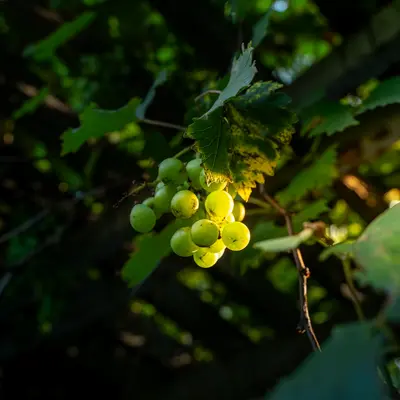
A game-changing cucumber variety that eliminates the bitter compounds responsible for digestive issues, allowing gardeners to enjoy fresh cucumbers without discomfort. This hybrid produces long, slender fruits with tender skin that never needs peeling and sweet, mild flesh. The vigorous vines are incredibly productive and disease-resistant, making this an ideal choice for gardeners wanting premium cucumbers with foolproof growing.
Harvest
62-70d
Days to harvest
Sun
White-Tailed Deer
Zones
2–11
USDA hardiness
Height
8-18 inches
Planting Timeline
Showing dates for Burpless Beauty in USDA Zone 7
All Zone 7 vine →Zone Map
Click a state to update dates
Burpless Beauty · Zones 2–11
Growing Details
Zone-by-Zone Planting Calendar
Complete Growing Guide
Light: White-Tailed Deer. Soil: High Organic Matter. Soil pH: Neutral (6.0-8.0). Drainage: Good Drainage, Moist. Height: 0 ft. 8 in. - 1 ft. 6 in.. Spread: 3 ft. 0 in. - 8 ft. 0 in.. Spacing: 12 inches-3 feet. Growth rate: Rapid. Maintenance: Medium. Propagation: Seed. Regions: Coastal, Mountains, Piedmont.
Harvesting
The "vegetable" is botanically a fruit– it is a pepo, a berry with a hard rind. Long and cylindrical, starting out prickly when young and smoothing out to a bumpy surface as it matures. Length and girth can vary based on cultivar and culinary purpose but grow at least 3 in long. Some varieties are bred to be seedless.
Color: Green. Type: Berry. Length: > 3 inches. Width: 1-3 inches.
Garden value: Edible, Showy
Harvest time: Summer
Bloom time: Summer
Edibility: Fruits are commonly eaten raw or pickled. Fresh cucumbers last in the fridge for about a week.
History & Origin
Origin: Himalaya to Northern Thailand
Advantages
- +Disease resistance: Heat
- +Attracts: Bees
- +Edible: Fruits are commonly eaten raw or pickled. Fresh cucumbers last in the fridge for about a week.
- +Fast-growing
Companion Plants
Plant Together
Basil
Repels aphids, thrips, and hornworms while potentially improving cucumber flavor
Radishes
Deters cucumber beetles and helps break up soil for cucumber roots
Marigolds
Repels cucumber beetles, aphids, and nematodes with their strong scent
Nasturtiums
Acts as trap crop for cucumber beetles and aphids, draws pests away
Beans
Fix nitrogen in soil to benefit heavy-feeding cucumbers
Corn
Provides natural trellis support and wind protection for climbing vines
Lettuce
Grows well in cucumber shade and helps retain soil moisture
Dill
Attracts beneficial insects like parasitic wasps that control cucumber pests
Keep Apart
Aromatic Herbs
Strong herbs like sage and rosemary can stunt cucumber growth through allelopathy
Melons
Compete for nutrients and space, share similar diseases like bacterial wilt
Potatoes
May increase susceptibility to blight diseases and compete for soil nutrients
Pests & Disease Resistance
Resistance
Excellent resistance to mosaic virus, scab, leaf spot, downy mildew
Common Pests
Cucumber beetles, aphids, spider mites
Diseases
Bacterial wilt (via cucumber beetle), powdery mildew in humid conditions