Knock Out Rose
Rosa 'Radrazz'
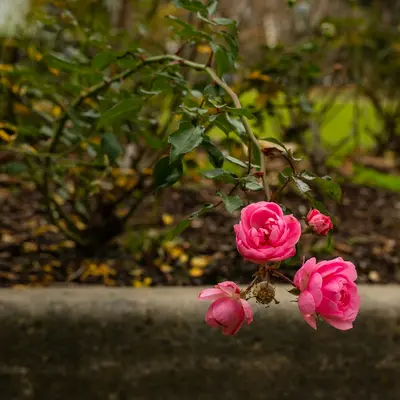
The revolutionary rose that changed home gardening forever with its incredible disease resistance and continuous blooming habit. This hardy shrub produces vibrant cherry-red flowers from spring until the first hard frost, requiring minimal care while delivering maximum impact. Perfect for gardeners who want gorgeous roses without the fuss of traditional varieties.
Sun
White-Tailed Deer
Zones
5–11
USDA hardiness
Height
1-8 feet
Planting Timeline
Showing dates for Knock Out Rose in USDA Zone 7
All Zone 7 shrub →Zone Map
Click a state to update dates
Knock Out Rose · Zones 5–11
Growing Details
Zone-by-Zone Planting Calendar
Complete Growing Guide
Light: White-Tailed Deer, Cottontail Rabbit. Soil: Clay, Loam (Silt). Soil pH: Acid (<6.0), Neutral (6.0-8.0). Height: 1 ft. 0 in. - 8 ft. 0 in.. Spread: 1 ft. 0 in. - 6 ft. 0 in.. Spacing: Less than 12 inches, 12 inches-3 feet, 3 feet-6 feet, 6-feet-12 feet. Growth rate: Medium. Propagation: Grafting.
Harvesting
The accessory fruit is called a hip and forms after the flowers finish blooming. The hip will appear under the sepals of where the flower was after the flower dies. They will turn from green to red. They are filled with many achenes surrounded by irritating hairs.
Color: Green, Red/Burgundy. Type: Achene. Length: < 1 inch. Width: < 1 inch.
Garden value: Showy
Harvest time: Fall
Bloom time: Summer
Edibility: The fruit (called the hip) is edible.
History & Origin
Origin: Temp. & Subtropical Northern Hemisphere (such as Europe & Asia)
Advantages
- +Disease resistance: #showy flowers#fragrant flowers#heat tolerant#rose#tsc#cottage garden#security plant#high maintenance#English garden#cutting garden#border back#tsc-s#bee friendly#container plant#patio#hedge#prickles#shrub rose#cpp#walkway#HS111#HS303#hortcontest#nesting site#fpp
- +Wildlife value: Wildlife is attracted to the edible hips. Single-flowered species and cultivars are attractive to bees. Dead stems are used by stem-nesting bees.
- +Edible: The fruit (called the hip) is edible.
Companion Plants
Plant Together
Lavender
Repels aphids, spider mites, and other rose pests while attracting beneficial pollinators
Marigold
Deters nematodes, aphids, and whiteflies while adding complementary color
Catmint
Repels aphids, ants, and rodents while attracting beneficial insects
Allium
Natural fungicide properties help prevent black spot and powdery mildew on roses
Clematis
Shares similar growing conditions and provides vertical interest without competing for nutrients
Garlic
Repels aphids, spider mites, and Japanese beetles while improving soil health
Salvia
Attracts beneficial predatory insects and pollinators while deterring harmful pests
Thyme
Ground cover that repels cabbage worms and other pests while conserving soil moisture
Keep Apart
Black Walnut Tree
Produces juglone toxin that inhibits rose growth and can cause wilting
Large Trees
Compete heavily for water and nutrients while creating excessive shade for sun-loving roses
Brassicas
Attract pests like cabbage worms and flea beetles that can spread to roses
Pests & Disease Resistance
Resistance
Excellent resistance to black spot, powdery mildew, and rust
Common Pests
Aphids, thrips, Japanese beetles
Diseases
Generally disease-free, occasional canker or dieback