Yard Long Bean
Vigna unguiculata subsp. sesquipedalis
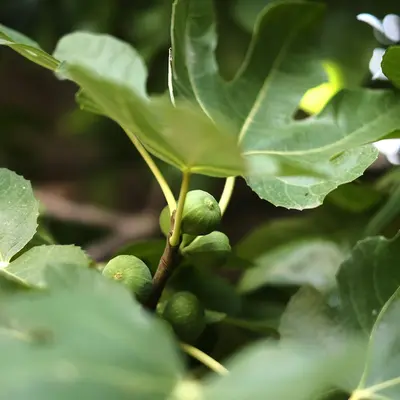
An extraordinary climbing bean that produces incredibly long, slender pods that can reach up to 3 feet in length, living up to its dramatic name. Popular in Asian cuisine, these vigorous vines are both ornamental and productive, creating an impressive vertical display while providing tender, flavorful beans. A must-grow for adventurous gardeners seeking something truly unique.
Harvest
80-90d
Days to harvest
Sun
Full sun
Zones
11–11
USDA hardiness
Height
5-10 feet
Complete Growing Guide
Soil: Clay, High Organic Matter, Loam (Silt), Sand. Soil pH: Acid (<6.0), Neutral (6.0-8.0). Drainage: Good Drainage, Moist, Occasionally Dry. Height: 5 ft. 0 in. - 10 ft. 0 in.. Spread: 1 ft. 0 in. - 3 ft. 0 in.. Spacing: 12 inches-3 feet. Growth rate: Rapid. Maintenance: Low. Regions: Coastal, Mountains, Piedmont.
Harvesting
Fruits are 10 to 18 inches long. Various cultivars are available: some with green fruits and others with purple or burgundy fruits.
Color: Green, Purple/Lavender, Red/Burgundy. Type: Legume. Length: > 3 inches. Width: < 1 inch.
Garden value: Edible
Harvest time: Summer
Bloom time: Summer
Edibility: Fruits are edible when immature. The seeds can be harvested for dried beans.
History & Origin
Origin: Tropical Africa
Advantages
- +Disease resistance: Drought, Heat, Humidity, Poor Soil
- +Attracts: Twining
- +Edible: Fruits are edible when immature. The seeds can be harvested for dried beans.
- +Fast-growing
- +Low maintenance
Companion Plants
Plant Together
Corn
Provides natural trellis support for climbing vines and creates beneficial microclimate
Marigold
Repels aphids, whiteflies, and nematodes while attracting beneficial insects
Basil
Repels aphids, spider mites, and thrips while potentially improving bean flavor
Nasturtium
Acts as trap crop for aphids and cucumber beetles, attracts predatory insects
Cucumber
Compatible growth habits and similar water/nutrient needs, maximizes vertical space
Radish
Breaks up soil for bean roots and deters cucumber beetles and other pests
Lettuce
Provides living mulch, conserves soil moisture, and doesn't compete for nutrients
Catnip
Repels aphids, ants, and flea beetles while attracting beneficial pollinators
Keep Apart
Onion
May inhibit nitrogen fixation in bean roots and stunt overall growth
Fennel
Releases allelopathic compounds that inhibit growth of beans and most vegetables
Sunflower
Competes heavily for nutrients and water, may release growth-inhibiting chemicals
Pests & Disease Resistance
Resistance
Good resistance to common bean diseases
Common Pests
Bean beetles, aphids, spider mites
Diseases
Bacterial blight, mosaic virus, root rot