Mortgage Lifter Tomato
Solanum lycopersicum 'Mortgage Lifter'
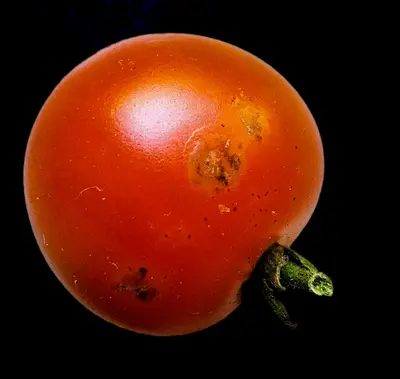
A legendary heirloom tomato variety developed in the 1930s by a West Virginia radiator repairman who reportedly paid off his mortgage by selling the seedlings. These massive beefsteak tomatoes can weigh up to 4 pounds each and offer exceptional flavor with meaty, low-seed flesh. A true conversation piece that delivers both size and taste in spectacular fashion.
Harvest
85-95d
Days to harvest
Sun
Blossom-End Rot of Tomato
Zones
10–11
USDA hardiness
Height
1-10 feet
Planting Timeline
Showing dates for Mortgage Lifter Tomato in USDA Zone 10
All Zone 10 vine →Zone Map
Click a state to update dates
Mortgage Lifter Tomato · Zones 10–11
Growing Details
Zone-by-Zone Planting Calendar
| Zone | Indoor Start | Transplant | Direct Sow | Harvest |
|---|---|---|---|---|
| Zone 10 | — | March – April | — | — |
Complete Growing Guide
Light: Blossom-End Rot of Tomato, Pepper, and Watermelon. Soil: Clay, High Organic Matter, Loam (Silt), Sand. Soil pH: Acid (<6.0), Neutral (6.0-8.0). Drainage: Good Drainage, Moist. Water: Blossom-End Rot of Tomato, Pepper, and Watermelon. Height: 1 ft. 0 in. - 10 ft. 0 in.. Spread: 1 ft. 0 in. - 4 ft. 0 in.. Spacing: 3 feet-6 feet. Growth rate: Rapid. Maintenance: High. Propagation: Seed. Regions: Coastal, Mountains, Piedmont.
Harvesting
The fruits are smooth, shiny, glossy, and are classified as berries. The size, shape, and color will vary depending on the variety or cultivar. The color of the fruits may be red, yellow, orange, green, purple, or pink. The fruits may contain over 100 yellow to light brown seeds.
Color: Gold/Yellow, Green, Orange, Pink, Purple/Lavender, Red/Burgundy, Variegated. Type: Berry. Length: > 3 inches. Width: > 3 inches.
Garden value: Edible, Showy
Harvest time: Fall, Summer
Bloom time: Fall, Summer
Edibility: The fruits or berries of the tomato are edible. They may be eaten raw, cooked, dried, or processed. They are a rich source of Vitamin A, Vitamin C, folic acid, and antioxidants. Lycopene is an antioxidant that gives the tomato its rich red color. Many plants will drop fruit when ripe or the fruit will come off easily. Tomatoes will continue to ripen once picked. Store them at room temperature.
Advantages
- +Attracts: Bees, Pollinators, Predatory Insects
- +Wildlife value: The plant is pollinated by bees, especially bumblebees.
- +Edible: The fruits or berries of the tomato are edible. They may be eaten raw, cooked, dried, or processed. They are a rich source of Vitamin A, Vitamin C, folic acid, and antioxidants. Lycopene is an antioxidant that gives the tomato its rich red color. Many plants will drop fruit when ripe or the fruit will come off easily. Tomatoes will continue to ripen once picked. Store them at room temperature.
- +Fast-growing
Considerations
- -Toxic (Leaves, Stems): Medium severity
- -High maintenance
Companion Plants
Plant Together
Basil
Repels aphids, whiteflies, and hornworms while potentially improving tomato flavor
Marigolds
Deters nematodes, aphids, and whiteflies with natural compounds
Carrots
Helps break up soil for tomato roots and doesn't compete for nutrients
Parsley
Attracts beneficial insects like hoverflies that prey on tomato pests
Nasturtiums
Acts as trap crop for aphids and cucumber beetles while repelling whiteflies
Chives
Repels aphids and may help prevent fungal diseases
Lettuce
Provides ground cover and living mulch while utilizing different soil layers
Borage
Repels hornworms and attracts pollinators and beneficial predatory insects
Keep Apart
Black Walnut Trees
Produces juglone which causes tomato wilt and stunted growth
Fennel
Inhibits tomato growth through allelopathic compounds and attracts harmful insects
Brassicas
Compete heavily for nutrients and may stunt tomato growth when planted nearby
Pests & Disease Resistance
Resistance
Limited resistance typical of heirlooms. Prone to cracking in wet conditions.
Common Pests
Tomato hornworm, aphids, whiteflies, cutworms
Diseases
Late blight, early blight, fusarium wilt, blossom end rot, cracking