Ichiban Japanese Eggplant
Solanum melongena 'Ichiban'
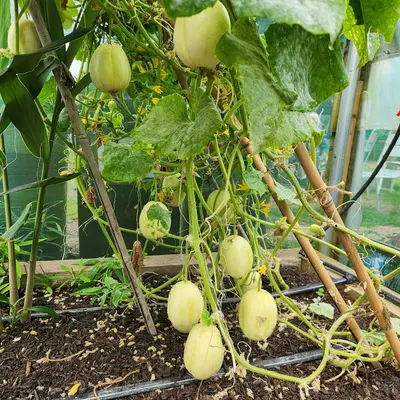
An All-America Selections winner that produces elegant, slender purple fruits with incredibly tender skin that requires no peeling. This productive variety bears continuously throughout the season, offering the authentic taste and texture prized in Asian cuisine. The compact plant size and early maturity make it ideal for shorter growing seasons and container gardens.
Harvest
70-80d
Days to harvest
Sun
Height: 2 ft. 0 in. - 4 ft. 0 in.
Zones
9–12
USDA hardiness
Height
2-4 feet
Planting Timeline
Showing dates for Ichiban Japanese Eggplant in USDA Zone 9
All Zone 9 vine →Zone Map
Click a state to update dates
Ichiban Japanese Eggplant · Zones 9–12
Growing Details
Zone-by-Zone Planting Calendar
Complete Growing Guide
Light: Height: 2 ft. 0 in. - 4 ft. 0 in., Width: 1 ft. 0 in. - 3 ft. 0 in.. Soil: Loam (Silt), Sand. Soil pH: Acid (<6.0). Drainage: Good Drainage, Moist. Height: 2 ft. 0 in. - 4 ft. 0 in.. Spread: 1 ft. 0 in. - 3 ft. 0 in.. Spacing: 3 feet-6 feet. Growth rate: Medium. Maintenance: Medium. Propagation: Seed.
Harvesting
The fruit is a berry that is egg-shaped, smooth and has glossy skin. The fruit may measure 4 to 8 inches long. It ranges in color from green to white, to purple-black when immature and when it should be eaten. As the fruit matures it gets stringy and bitter. Fruit contains numerous small, flat, pale yellow to brown seeds.
Color: Vegetable Garden at Paul J Ciener Botanical Garden Vegetable Garden with Pollinator Plants in Mt. Pleasant. Type: Berry. Length: > 3 inches.
Garden value: Edible, Showy
Harvest time: Fall, Summer
Edibility: The immature fruit is edible and best used in food preparation. As the fruit matures, it becomes stringy and bitter. The fruits are usually cooked and served as a vegetable. They may be prepared and eaten by frying, steaming, grilling, roasting, or stewing. They may also be stir-fried, pickled, stuffed, and fried with a light breading.
History & Origin
Origin: Vegetable Garden at Paul J Ciener Botanical Garden Vegetable Garden with Pollinator Plants in Mt. Pleasant
Advantages
- +Disease resistance: Heat
- +Attracts: Bees
- +Wildlife value: The flowers attract bumblebees.
- +Edible: The immature fruit is edible and best used in food preparation. As the fruit matures, it becomes stringy and bitter. The fruits are usually cooked and served as a vegetable. They may be prepared and eaten by frying, steaming, grilling, roasting, or stewing. They may also be stir-fried, pickled, stuffed, and fried with a light breading.
Considerations
- -Toxic (Flowers, Leaves, Roots, Stems): High severity
Pests & Disease Resistance
Resistance
Good tolerance to tobacco mosaic virus
Common Pests
Flea beetles, Colorado potato beetles, spider mites, aphids
Diseases
Verticillium wilt, bacterial wilt, early blight